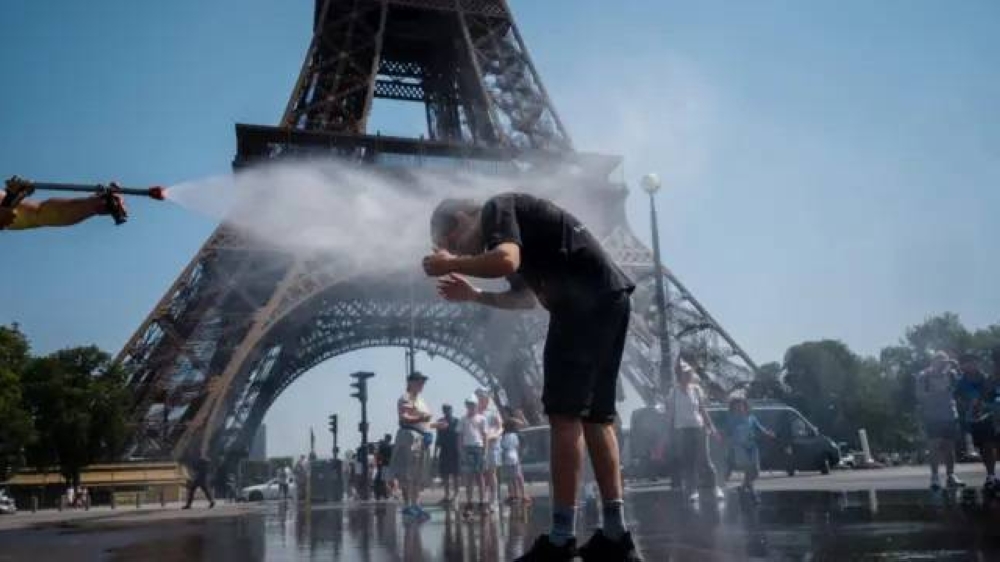
تعيش أوروبا هذه الأيام على وقع موجة حر استثنائية، وصفت بأنها الأشد منذ عقود، بعدما تجاوزت درجات الحرارة 42 مئوية في فرنسا وإيطاليا والبرتغال وإسبانيا، وسُجلت أرقام قياسية جديدة أثارت القلق ودقت ناقوس الخطر البيئي.
في إسبانيا، وتحديداً بمدينة غرناطة في إقليم الأندلس، بلغت الحرارة 46 درجة مئوية، محطمة الرقم القياسي السابق (45.2) المُسجل في إشبيلية عام 1965. كما تجاوزت حرارة مياه البحر الأبيض المتوسط 26 درجة مئوية في جزر البليار، وهي نسبة عادة ما تُسجل في منتصف أغسطس، بحسب وكالة الأرصاد الجوية Aemet.
فرنسا من جهتها اتخذت إجراءات غير مسبوقة، إذ تخضع 88% من أراضيها لمراقبة مناخية مشددة، بعد أن تخطت الحرارة عتبة الـ42 درجة مئوية، مع توقعات ببلوغها 44. وشملت التدابير إغلاق نحو 1350 مدرسة حكومية بشكل كلي أو جزئي، وتعليق أحد مفاعلات محطة غولفيش النووية بسبب ارتفاع حرارة مياه نهر غارون إلى مستويات تهدد نظام التبريد.
وفي إيطاليا، تم إعلان حالة التأهب القصوى في 21 مدينة، من بينها روما، فلورنسا، ميلانو، نابولي والبندقية، مع انتشار سيارات إسعاف قرب المعالم السياحية تحسباً لأي طارئ. كما أُنشئت ملاجئ مناخية مكيفة في معظم المدن المتضررة، شملت أيضاً فرنسا وألمانيا وإسبانيا.
وفي مؤشر صادم على شدة الظاهرة، سجّلت قمة «مون بلان»، أعلى جبل في أوروبا الغربية، درجات حرارة موجبة، وهو أمر نادر الحدوث خارج أشهر الصيف.
وبالتوازي مع هذه الأزمة المناخية، تتفاقم أزمة الجفاف في فرنسا، إذ وُضعت 26 مقاطعة تحت المراقبة و10 أخرى في حالة أزمة، ما استدعى فرض قيود صارمة على استهلاك المياه.
ورغم خطورة الموقف، تعرضت الحكومة الفرنسية لانتقادات حادة بعد خفض تمويل «الصندوق الأخضر» من 2.5 مليار يورو إلى مليار فقط، ما اعتبره خبراء خطوة تُضعف قدرة البلاد على التكيّف مع الأزمات المناخية المتكررة.
Europe is currently experiencing an exceptional heatwave, described as the most severe in decades, with temperatures exceeding 42 degrees Celsius in France, Italy, Portugal, and Spain. New record numbers have been recorded, raising concerns and sounding the alarm for environmental danger.
In Spain, specifically in the city of Granada in the Andalusia region, temperatures reached 46 degrees Celsius, breaking the previous record of 45.2 set in Seville in 1965. Additionally, the temperature of the Mediterranean Sea exceeded 26 degrees Celsius in the Balearic Islands, a level typically recorded in mid-August, according to the meteorological agency Aemet.
France, for its part, has taken unprecedented measures, with 88% of its territory under strict climate monitoring after temperatures surpassed the 42-degree Celsius threshold, with forecasts predicting they could reach 44. Measures included the closure of around 1,350 public schools either fully or partially, and the suspension of one reactor at the Golfech nuclear power plant due to the rising temperature of the Garonne River waters to levels threatening the cooling system.
In Italy, a state of maximum alert has been declared in 21 cities, including Rome, Florence, Milan, Naples, and Venice, with ambulances positioned near tourist attractions in anticipation of any emergencies. Climate-controlled shelters have also been established in most affected cities, including France, Germany, and Spain.
In a shocking indication of the severity of the phenomenon, the summit of "Mont Blanc," the highest mountain in Western Europe, recorded positive temperatures, which is a rare occurrence outside of the summer months.
Alongside this climate crisis, the drought crisis in France is worsening, with 26 departments under monitoring and 10 others in a state of crisis, prompting strict restrictions on water consumption.
Despite the seriousness of the situation, the French government has faced sharp criticism after reducing funding for the "Green Fund" from 2.5 billion euros to just one billion, which experts consider a step that weakens the country's ability to adapt to recurring climate crises.