تواجه شبكة الكهرباء الأكبر في الولايات المتحدة، «بي جيه إم إنتركونكشن»، ضغوطًا متزايدة نتيجة الاستهلاك المتسارع للطاقة من مراكز البيانات وتطبيقات الذكاء الاصطناعي، مثل برامج الدردشة الآلية، في وقت تعجز فيه عن بناء محطات طاقة جديدة بالسرعة الكافية.
تشمل الشبكة، التي تخدم 67 مليون عميل عبر 13 ولاية من إلينوي إلى نيوجيرسي، أكبر تجمع لمراكز البيانات في العالم، ومن المتوقع أن ترتفع فواتير الكهرباء في بعض مناطقها بنسبة تزيد على 20% هذا الصيف.
تشهد الشبكة اضطرابات إدارية كبيرة، حيث أعلن حاكم ولاية بنسلفانيا جوش شابيرو تهديده بالانسحاب من الشبكة، بينما أعلن الرئيس التنفيذي لـ«بي جيه إم» مغادرته منصبه، وتم التصويت على إقالة رئيس مجلس الإدارة وعضو آخر.
بدأت الأزمة قبل عام عندما قفزت الأسعار في مزاد السعة السنوي للشبكة بنسبة تزيد على 800%، مما أثر على فواتير الكهرباء للمستهلكين، ومع اقتراب المزاد القادم اليوم (الأربعاء)، يتوقع خبراء ارتفاعًا إضافيًا في الأسعار.
يهدف المزاد إلى ضمان توفير الكهرباء خلال أيام الذروة، مثل الأيام الأكثر حرارة أو برودة، لتجنب انقطاع التيار، لكن الأسعار المرتفعة لم تحفز بناء محطات طاقة جديدة بالسرعة المطلوبة، في ظل استمرار إغلاق المحطات القديمة وتزايد الطلب من مراكز البيانات.
تفاقمت المشكلة بسبب تأخير «بي جيه إم» للمزادات وتعليق طلبات إنشاء محطات جديدة، وفقًا لآراء أكثر من 12 من مطوري الطاقة والمنظمين وخبراء القانون الذين تحدثوا لـ«رويترز».
وأكد حاكم بنسلفانيا لـ«رويترز» ضرورة تحرك «بي جيه إم» بسرعة وشفافية لخفض تكاليف المستهلكين، مشيرًا إلى أن الشبكة اتخذت بعض الخطوات الإيجابية.
من جانبها، أرجعت «بي جيه إم» الأزمة إلى عوامل خارجة عن سيطرتها، مثل إغلاق محطات تعمل بالوقود الأحفوري بسبب سياسات الولايات، ونمو مراكز البيانات في مناطق مثل شمال فيرجينيا.
وقال المتحدث باسم الشبكة، جيفري شيلدز، إن الأسعار ستبقى مرتفعة طالما أن الطلب يفوق العرض، مضيفًا أن الشبكة بحاجة إلى كل ميغاواط متاح.
وخلال العقد الماضي، خسرت «بي جيه إم» أكثر من 5.6 غيغاواط صافية بسبب إغلاق محطات أسرع من إنشاء أخرى جديدة، بينما أضافت 5 غيغاواط فقط في 2024، أقل من شبكات أصغر في كاليفورنيا وتكساس.
وتتوقع الشبكة زيادة في الطلب بمقدار 32 غيغاواط بحلول 2030، معظمها من مراكز البيانات. وتسببت تأخيرات في معالجة طلبات ربط المحطات الجديدة، خصوصا الطاقة المتجددة، في تفاقم الأزمة، حيث توقفت (بي جيه إم) في 2022 عن استقبال طلبات جديدة بعد تلقيها أكثر من 2000 طلب.
وردًا على الانتقادات، أدخلت (بي جيه إم) إصلاحات، مثل تحديد سقف للأسعار عند 325 دولارًا لكل ميغاواط يوميًا، وإجراء المزادات كل ستة أشهر بدلاً من سنويًا، وتسريع ربط 51 مشروعًا للطاقة، لكن معظمها لن يبدأ العمل قبل 2030.
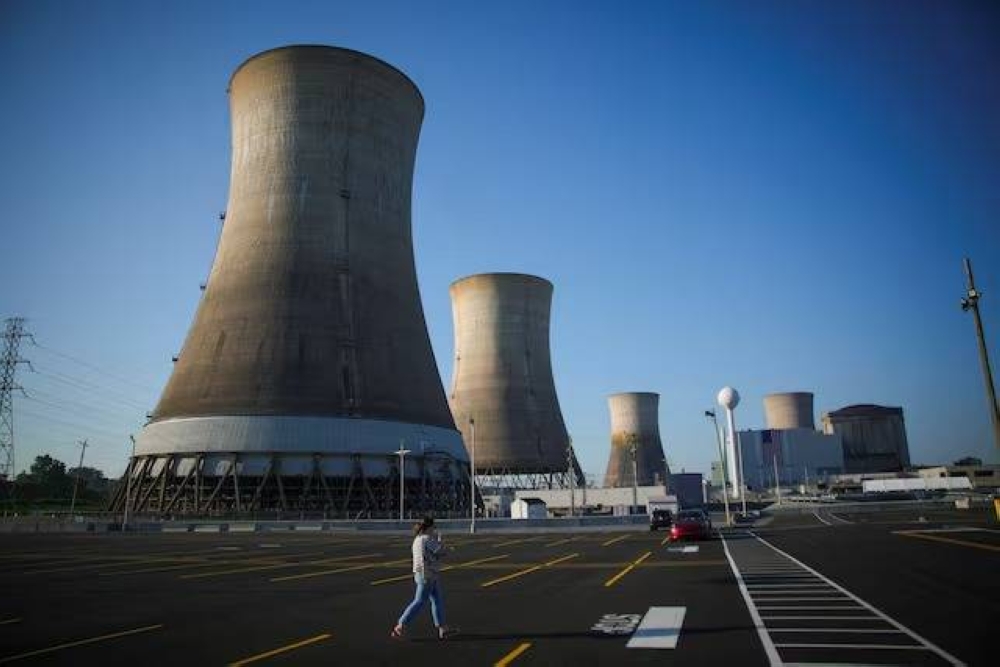
ومن بين هذه المشاريع، محطة «ثري مايل آيلاند» النووية، التي أعيد تسميتها «كرين كلين إنرجي سنتر»، والتي ستُشغّل بموجب عقد مع مايكروسوفت، لكنها لن تبدأ قبل 2027.
The largest electricity grid in the United States, "PJM Interconnection," is facing increasing pressure due to the rapid energy consumption from data centers and artificial intelligence applications, such as chatbots, at a time when it is struggling to build new power plants quickly enough.
The grid, which serves 67 million customers across 13 states from Illinois to New Jersey, hosts the largest concentration of data centers in the world, and electricity bills in some areas are expected to rise by more than 20% this summer.
The grid is experiencing significant administrative disruptions, as Pennsylvania Governor Josh Shapiro has threatened to withdraw from the grid, while the CEO of "PJM" announced his departure from the position, and a vote was held to remove the chairman and another board member.
The crisis began a year ago when prices in the grid's annual capacity auction surged by more than 800%, impacting electricity bills for consumers, and with the next auction approaching today (Wednesday), experts expect an additional price increase.
The auction aims to ensure electricity supply during peak days, such as the hottest or coldest days, to avoid power outages, but high prices have not spurred the construction of new power plants quickly enough, as old plants continue to close and demand from data centers increases.
The problem has been exacerbated by PJM's delays in auctions and the suspension of new power plant construction requests, according to the views of more than 12 energy developers, regulators, and legal experts who spoke to Reuters.
The Pennsylvania governor confirmed to Reuters the necessity for PJM to act quickly and transparently to reduce consumer costs, noting that the grid has taken some positive steps.
For its part, PJM attributed the crisis to factors beyond its control, such as the closure of fossil fuel plants due to state policies and the growth of data centers in areas like Northern Virginia.
PJM's spokesperson, Jeffrey Shields, stated that prices will remain high as long as demand exceeds supply, adding that the grid needs every available megawatt.
Over the past decade, PJM has lost more than 5.6 gigawatts of net capacity due to the closure of plants faster than new ones can be built, while only adding 5 gigawatts in 2024, which is less than smaller grids in California and Texas.
The grid expects a demand increase of 32 gigawatts by 2030, mostly from data centers. Delays in processing requests for connecting new plants, especially renewable energy, have worsened the crisis, as PJM stopped accepting new requests in 2022 after receiving more than 2,000 applications.
In response to criticism, PJM has implemented reforms, such as setting a price cap at $325 per megawatt per day, conducting auctions every six months instead of annually, and expediting the connection of 51 energy projects, though most of them will not begin operations before 2030.
Among these projects is the "Three Mile Island" nuclear plant, renamed "Cranes Clean Energy Center," which will operate under a contract with Microsoft, but it will not start before 2027.