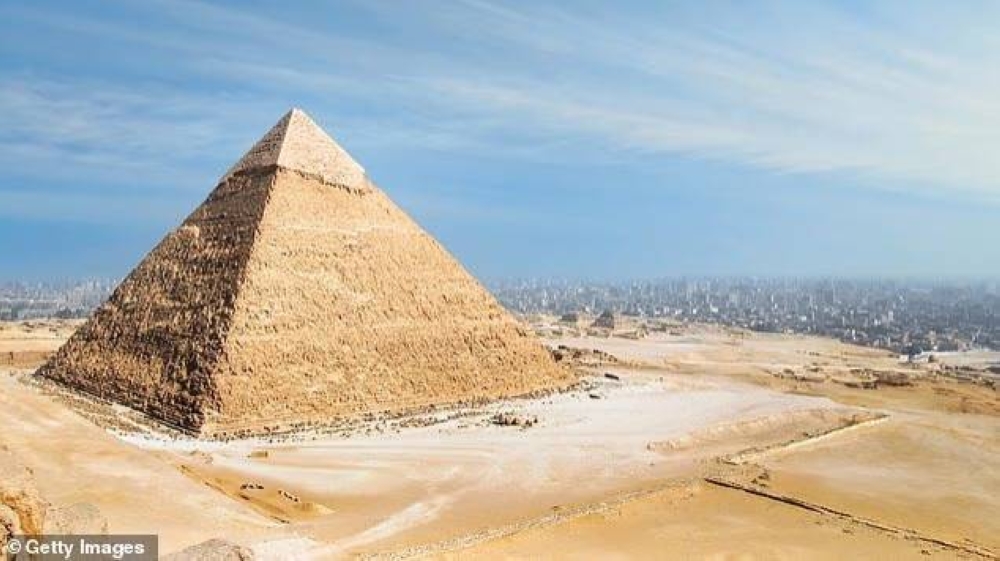
كشف علماء الآثار عن نقوش قديمة داخل الهرم الأكبر في مصر، تؤكد هوية بناة هذا الصرح الضخم الذي يعود تاريخه إلى 4500 عام. وتتحدى هذه الاكتشافات الروايات التاريخية التي زعمت أن الهرم شيّده 100,000 عبد على مدى 20 عاماً في نوبات عمل مدتها ثلاثة أشهر.
وأظهرت الاكتشافات الجديدة أن الهرم الأكبر بناه عمال مهرة مدفوعو الأجر، كانوا يعملون بشكل مستمر مع يوم راحة كل 10 أيام.
وقاد عالم المصريات الدكتور زاهي حواس، فريقاً استخدم تقنيات التصوير الحديثة لاستكشاف غرف ضيقة فوق حجرة الملك، حيث عُثر على نقوش لم تُرَ من قبل تعود إلى القرن الثالث عشر قبل الميلاد، تركها عمال البناء.
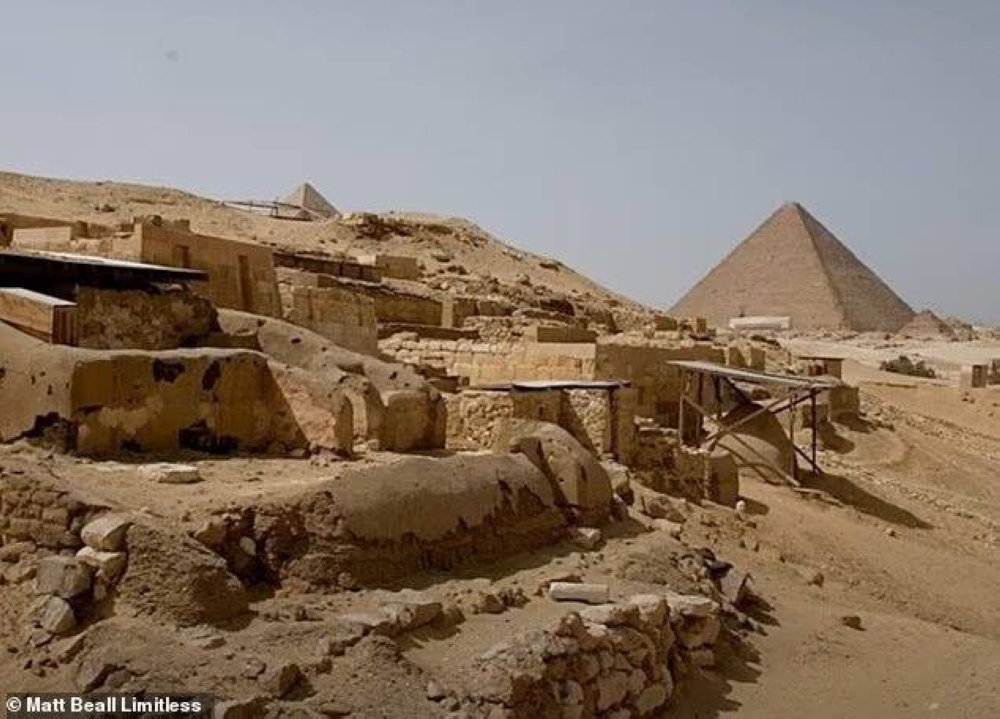
كما اكتشف الفريق مقابر جنوب الهرم تضم رفات عمال مهرة، مزينة بتماثيل تصور العمال وهم ينقلون الحجارة، إلى جانب 21 لقباً هيروغليفياً مثل «مشرف جانب الهرم» و«حرفي».
وأكد الدكتور حواس خلال حلقة من بودكاست «Matt Beall Limitless» أن هذه الاكتشافات تثبت أن بناة الهرم لم يكونوا عبيداً، مشيراً إلى أن العبيد لم يكونوا ليدفنوا في ظل الأهرامات أو يجهزوا مقابرهم للأبدية كما فعل الملوك والملكات.
وكشفت الاكتشافات أيضاً عن طريقة بناء الهرم، حيث تم نقل الحجر الجيري من محجر يبعد 1000 قدم فقط باستخدام منحدر من الحصى والطين، تم العثور على بقاياه جنوب غرب الهرم.
ويستعد الدكتور حواس الآن لقيادة بعثة جديدة، بتمويل من مات بيل، لإرسال روبوت إلى داخل الهرم الأكبر، في أول عملية تنقيب حديثة في الصرح.
ويُعد الهرم الأكبر، الذي بناه الفرعون خوفو خلال الأسرة الرابعة، أكبر الأهرامات المصرية ويقع ضمن هضبة الجيزة بجانب هرمي خفرع ومنقرع وأبو الهول، ولا تزال طرق بنائه ومحاذاته الفلكية الدقيقة وغرضه الحقيقي محاطة بالغموض.
وكانت نقوش اكتُشفت في القرن التاسع عشر داخل الهرم قد أثارت جدلاً حول احتمال تزييفها بعد مئات السنين من بنائه، لكن «حواس» أكد أن النقوش الجديدة، التي عُثر عليها في غرف يصعب الوصول إليها، مكتوبة بأسلوب يصعب تقليده إلا من قبل علماء مصريات مدربين، مما ينفي فرضية التزوير.
وأشار إلى أن بعض الزوار الأوروبيين في القرنين الثامن عشر والتاسع عشر تركوا أسماءهم محفورة على الحجارة، لكن النقوش الأصلية تعود بوضوح إلى العمال المصريين القدماء.
ومن الاكتشافات المهمة الأخرى، المقابر التي تحتوي على أدوات مثل أدوات الصوان وأحجار الطرق المستخدمة في البناء.
وأوضح «حواس» أن قاعدة الهرم الأكبر نُحتت في الصخر الأساسي بعمق 28 قدماً، مما خلق منصة مستوية من الحجر الصلب. كما تم نقل الحجارة باستخدام زلاجات خشبية عبر الرمال ومنحدرات، تم العثور على بقاياها في موقع يُعرف بـ C2.
وفي موقع شرق الهرم، يكشف الدكتور مارك لينر عن «مدينة العمال»، التي تضم منشآت لتجهيز الأسماك المملحة، ومخبزاً كبيراً، وثكنات، ومستوطنة سكنية.
ونفى «حواس» الأسطورة الشائعة بأن العمال كانوا يأكلون الثوم والبصل والخبز فقط، مشيراً إلى اكتشاف آلاف العظام الحيوانية التي تثبت ذبح 11 بقرة و33 ماعزاً يومياً لإطعام نحو 10,000 عامل.
تتركز الجهود حالياً على استكشاف الفراغ الكبير داخل الهرم، وهو فراغ يمتد لمسافة 100 قدم فوق الممر الكبير، اكتُشف في عام 2017.
ويأمل «حواس» أن يكتشف مقبرة خوفو المفقودة داخل هذا الفراغ باستخدام روبوت صغير بحجم سنتيمتر واحد، يتم تمويله من قبل بيل، ومن المقرر أن تبدأ عملية التنقيب في يناير أو فبراير 2026.
Archaeologists have uncovered ancient inscriptions inside the Great Pyramid of Egypt, confirming the identity of the builders of this massive structure, which dates back 4,500 years. These discoveries challenge historical narratives that claimed the pyramid was built by 100,000 slaves over 20 years in three-month work shifts.
The new findings showed that the Great Pyramid was built by skilled paid workers who worked continuously with a day off every 10 days.
Led by Egyptologist Dr. Zahi Hawass, a team used modern imaging techniques to explore narrow chambers above the king's chamber, where previously unseen inscriptions dating back to the 13th century BC were found, left by the construction workers.
The team also discovered graves south of the pyramid containing the remains of skilled workers, adorned with statues depicting the workers transporting stones, alongside 21 hieroglyphic titles such as "Supervisor of the Pyramid Side" and "Craftsman."
Dr. Hawass confirmed during an episode of the "Matt Beall Limitless" podcast that these discoveries prove that the builders of the pyramid were not slaves, noting that slaves would not be buried in the shadow of the pyramids or prepare their tombs for eternity as kings and queens did.
The discoveries also revealed the method of constructing the pyramid, where limestone was transported from a quarry just 1,000 feet away using a ramp made of gravel and clay, the remnants of which were found southwest of the pyramid.
Dr. Hawass is now preparing to lead a new mission, funded by Matt Beall, to send a robot inside the Great Pyramid, marking the first modern excavation of the structure.
The Great Pyramid, built by Pharaoh Khufu during the Fourth Dynasty, is the largest of the Egyptian pyramids and is located on the Giza Plateau next to the pyramids of Khafre and Menkaure and the Sphinx. The methods of its construction, its precise astronomical alignment, and its true purpose remain shrouded in mystery.
Inscriptions discovered in the 19th century inside the pyramid sparked controversy over the possibility of their forgery centuries after its construction, but Hawass confirmed that the new inscriptions, found in hard-to-reach chambers, are written in a style that is difficult to replicate except by trained Egyptologists, thus refuting the forgery hypothesis.
He noted that some European visitors in the 18th and 19th centuries left their names carved on the stones, but the original inscriptions clearly belong to the ancient Egyptian workers.
Among other significant discoveries are graves containing tools such as flint tools and road stones used in construction.
Hawass explained that the base of the Great Pyramid was carved into the bedrock to a depth of 28 feet, creating a flat platform of solid stone. The stones were also transported using wooden sledges across sand and slopes, the remnants of which were found at a site known as C2.
At a site east of the pyramid, Dr. Mark Lehner reveals the "Workers' City," which includes facilities for processing salted fish, a large bakery, barracks, and a residential settlement.
Hawass denied the common myth that workers only ate garlic, onions, and bread, pointing to the discovery of thousands of animal bones that prove the daily slaughter of 11 cows and 33 goats to feed about 10,000 workers.
Current efforts are focused on exploring the large void inside the pyramid, a space extending 100 feet above the Grand Gallery, discovered in 2017.
Hawass hopes to discover Khufu's lost tomb within this void using a one-centimeter-sized robot, funded by Beall, with excavation set to begin in January or February 2026.