


15 عاماً على موتها بلا وطن..
رباب.. الصوت الذي ضاع بين المنافي والظروف !
2 يوليو 2025 - 12:13
|
آخر تحديث 6 يوليو 2025 - 16:34


تابع قناة عكاظ على الواتساب
عكاظ (جدة) okaz_online@
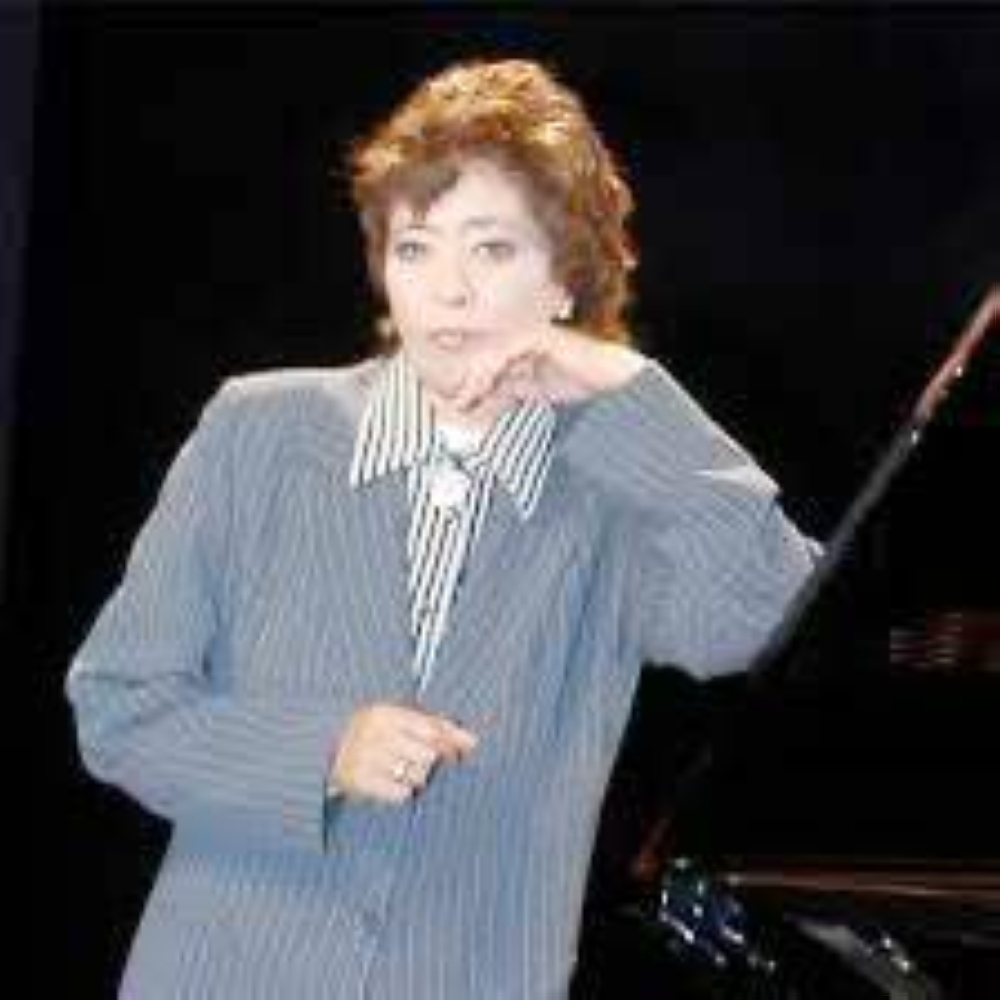
مرّت خمس عشرة سنة على رحيل الصوت الذي لا يشبه إلا نفسه، الفنانة الخليجية رباب، تلك المرأة التي غنّت من أعماق وجعها، ووقّعت بصوتها على ذاكرة جيل كامل، ثم رحلت بصمت.. غريبة، مكسورة، وبلا وطن ولا هوية.
في زمن كانت فيه الساحة الغنائية الخليجية تعج بالأصوات الذكورية، لمع نجم رباب سريعاً، وتصدّرت بموهبتها الصافية طليعة المشهد.
صوتٌ أوقد الشجن في المقام، وتغلغل في الإحساس الشعبي بلا استئذان.
منذ ألبومها الأول (إجرح) 1980م، وحتى آخر قرار فني لها 2008م، كانت رباب تترك في كل عمل أثراً، وفي كل نغمة جرحاً ندياً.
لكن خلف هذا المجد الفني، كانت الحياة قد بنت لها سيرة من العذاب والاغتراب.
وُلدت في العراق، لكنها لم تعرفه وطناً. نشأت في الكويت، وهناك تفتّح صوتها، وتأهلت لأن تكون سفيرة الطرب الخليجي، لكن ظروف السياسة رسمت نهايتها بيد غريبة.
بعد الغزو العراقي للكويت 1990م، بدأت رحلة الشتات.
بين وجع الغربة ومرض القلب، كانت تغني. رفضت أن تستسلم.
قالت إن الكويت كانت بيتها، وإنها ستموت مرتين: مرة حين مُنعت من العودة، ومرة حين تغيب عن الدنيا.
وجدت الإمارات ملاذاً أخيراً في حياتها، وفتحت لها الأبواب لتقضي ما تبقى من عمرها في شقة.
رباب، لم تكن مجرد مطربة، كانت قصة. كانت رواية مكتوبة على هيئة صوت، كل أغنية منها كانت فصلاً من مراثيها الشخصية. (غيرت عنواني)، (آهات)، (لا تقدم عذر)، وغيرها.. أغانٍ تحوّلت إلى مرآة لحياتها.
اليوم بعد 15 سنة على موتها، ما زالت أغانيها تتسلل إلى الذاكرة، وتستذكر غيابها المؤلم. فهي لم تكن ضحية المرض فقط، بل كانت ضحية مصير خطّته الجغرافيا والظروف السياسية لا الفن فحسب.
رحلت رباب، ومثل كل العظماء الذين لم يحظوا بتكريم يليق بهم في الحياة، ماتت وحيدة، لكنها كانت وما زالت، إحدى أهم الأصوات التي مرّت على الخليج، صوتاً كان يغني بالدمع حتى رحل.
Fifteen years have passed since the departure of the voice that resembled no one but itself, the Gulf artist Rabab, the woman who sang from the depths of her pain and signed with her voice the memory of an entire generation, then left silently... a stranger, broken, without a homeland or identity.
In a time when the Gulf music scene was filled with male voices, Rabab's star shone brightly, and she led the scene with her pure talent.
A voice that ignited sorrow in the maqam, and penetrated the popular feeling without permission.
From her first album (Ijrah) in 1980 to her last artistic decision in 2008, Rabab left an impact in every work and a fresh wound in every melody.
But behind this artistic glory, life had built for her a narrative of suffering and alienation.
She was born in Iraq, but she did not know it as a homeland. She grew up in Kuwait, where her voice blossomed, and she qualified to be the ambassador of Gulf music, but political circumstances drew her end with a stranger's hand.
After the Iraqi invasion of Kuwait in 1990, her journey of exile began.
Between the pain of alienation and heart disease, she sang. She refused to give in.
She said that Kuwait was her home, and that she would die twice: once when she was prevented from returning, and once when she departed from this world.
She found the UAE as a final refuge in her life, and it opened its doors for her to spend the remainder of her life in an apartment.
Rabab was not just a singer; she was a story. She was a narrative written in the form of sound, each of her songs was a chapter of her personal elegies. (Ghayart Unwani), (Ahat), (La Taqdam Udhur), and others... songs that became a mirror of her life.
Today, fifteen years after her death, her songs still seep into memory, recalling her painful absence. She was not only a victim of illness, but also a victim of a fate drawn by geography and political circumstances, not just art.
Rabab departed, and like all the greats who did not receive the honor they deserved in life, she died alone, but she was and still is one of the most important voices that passed through the Gulf, a voice that sang with tears until she left.


