


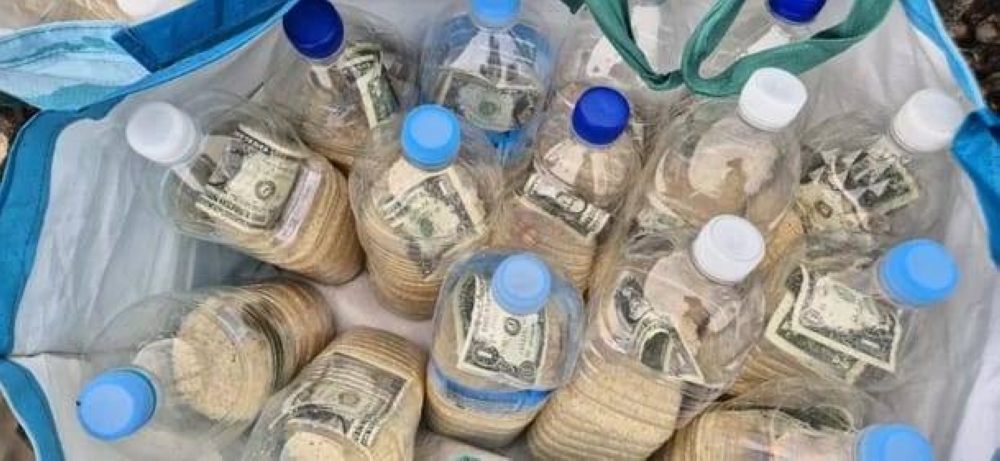
في خطوة أثارت جدلاً واسعاً، أعلنت الشرطة الكورية الجنوبية توقيف ستة مواطنين أمريكيين أثناء محاولتهم إرسال زجاجات بلاستيكية محملة بأرز وأموال وكتب دينية إلى كوريا الشمالية عبر البحر.
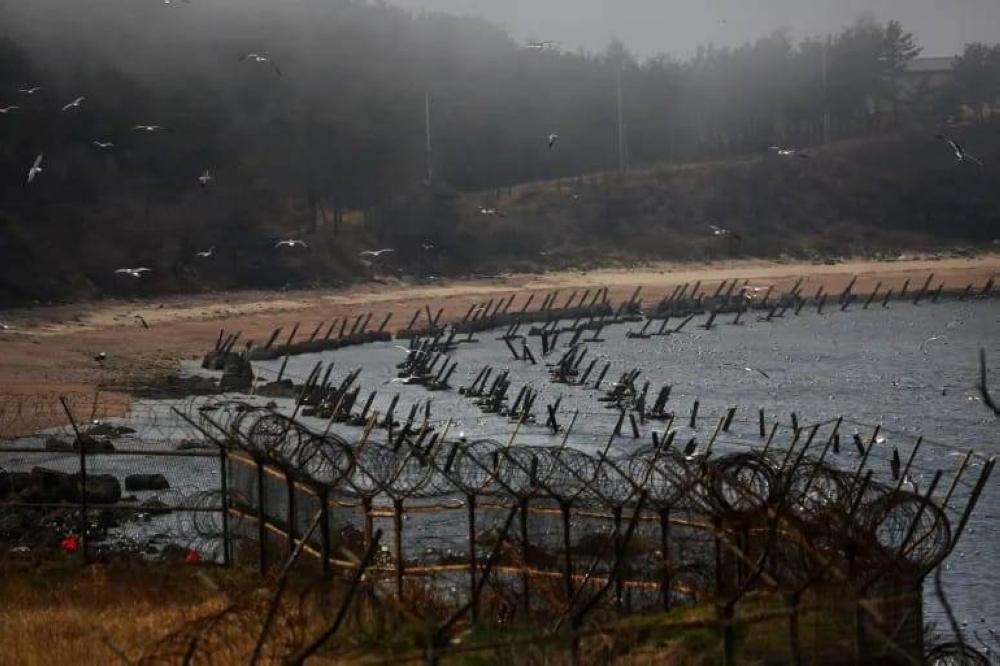
وأوضحت السلطات أن العملية جرت في جزيرة «غانغهوا» الواقعة شمال غرب العاصمة سيئول، قرب الحدود البحرية مع الشمال، حين رصدت دورية عسكرية المجموعة وهي تحاول إلقاء نحو 1,300 زجاجة في البحر، لتصل إلى سواحل كوريا الشمالية عبر التيارات المائية.
الزجاجات كانت تحتوي على أرز، وأوراق نقدية من فئة دولار واحد، وكتب – معظمها نسخ من الإنجيل – في محاولة لإيصال مواد إغاثية ورسائل دينية، ضمن ما تقول الشرطة إنه «نشاط غير مصرح به يهدد السلامة العامة»، خصوصاً أن الجزيرة مصنفة كـ«منطقة خطر» منذ نوفمبر 2024، ويحظر فيها تنفيذ أي أنشطة قد تُفاقم التوتر مع بيونغ يانغ.
وقالت شرطة إنتشون إن الأمريكيين المعتقلين – وتراوح أعمارهم بين العشرينات والخمسينات – لا يتحدثون الكورية وتم التحقيق معهم بمساعدة مترجم، ويواجهون اتهامات بمخالفة قانون إدارة الكوارث والسلامة.
ولم تكشف السلطات عن هوياتهم أو ما إذا كانت لهم صلات بمنظمات معينة، غير أن تقارير محلية رجّحت أنهم ينتمون إلى مجموعات دينية أو منظمات غير حكومية تعمل على إرسال مساعدات أو رسائل سياسية إلى كوريا الشمالية، وهي ممارسات لطالما أثارت توتراً بين الجارتين.
وتُعرف جزيرة غانغهوا بأنها من أقرب النقاط بين الكوريتين، إذ لا تبعد سوى 10 كيلومترات عن سواحل كوريا الشمالية، وتُستخدم منذ سنوات كمنصة لإرسال رسائل أو مساعدات عبر زجاجات أو بالونات. وتعتبر بيونغ يانغ هذه الأنشطة استفزازات عدائية.
وفي العام 2024، ردّت كوريا الشمالية على حملات مماثلة من الجنوب بإطلاق بالونات محملة بالنفايات، ما فجّر ما عُرف إعلامياً بـ«حرب البالونات»، قبل أن تتوقف مؤقتًا بعد تعهد الرئيس الكوري الجنوبي الجديد، لي جاي ميونغ، بتهدئة الأوضاع واستئناف الحوار مع الشمال.
ولا تزال التحقيقات جارية، وسط تحذيرات من أن مثل هذه التحركات الفردية قد تُعرقل الجهود الدبلوماسية وتفاقم التوتر في منطقة حساسة.
زجاجات «ممنوعة» تُشعل أزمة.. كوريا الجنوبية تعتقل 6 أمريكيين قرب حدود الشمال!
27 يونيو 2025 - 16:13
|
آخر تحديث 27 يونيو 2025 - 16:13


تابع قناة عكاظ على الواتساب
محمد الصاحي (القاهرة)
In a move that sparked widespread controversy, the South Korean police announced the arrest of six American citizens while they were attempting to send plastic bottles filled with rice, money, and religious books to North Korea via the sea.
The authorities clarified that the operation took place on Ganghwa Island, located northwest of the capital Seoul, near the maritime border with the north, when a military patrol spotted the group trying to throw about 1,300 bottles into the sea, intending for them to reach the shores of North Korea via water currents.
The bottles contained rice, one-dollar bills, and books—most of which were copies of the Bible—in an attempt to deliver relief materials and religious messages, as part of what the police describe as "unauthorized activity that threatens public safety," especially since the island has been classified as a "danger zone" since November 2024, where any activities that could exacerbate tensions with Pyongyang are prohibited.
The Incheon police stated that the detained Americans, aged between their twenties and fifties, do not speak Korean and were interrogated with the help of a translator. They face charges of violating disaster management and safety laws.
The authorities did not disclose their identities or whether they have ties to specific organizations, but local reports suggested that they belong to religious groups or non-governmental organizations that work to send aid or political messages to North Korea, practices that have long stirred tensions between the two neighbors.
Ganghwa Island is known as one of the closest points between the two Koreas, being only 10 kilometers from the shores of North Korea, and has been used for years as a platform to send messages or aid via bottles or balloons. Pyongyang considers these activities hostile provocations.
In 2024, North Korea responded to similar campaigns from the south by launching balloons filled with waste, which ignited what became known in the media as the "balloon war," before it temporarily ceased following a pledge by the new South Korean president, Yoon Suk-yeol, to ease tensions and resume dialogue with the north.
Investigations are still ongoing, amid warnings that such individual movements could hinder diplomatic efforts and exacerbate tensions in a sensitive region.
The authorities clarified that the operation took place on Ganghwa Island, located northwest of the capital Seoul, near the maritime border with the north, when a military patrol spotted the group trying to throw about 1,300 bottles into the sea, intending for them to reach the shores of North Korea via water currents.
The bottles contained rice, one-dollar bills, and books—most of which were copies of the Bible—in an attempt to deliver relief materials and religious messages, as part of what the police describe as "unauthorized activity that threatens public safety," especially since the island has been classified as a "danger zone" since November 2024, where any activities that could exacerbate tensions with Pyongyang are prohibited.
The Incheon police stated that the detained Americans, aged between their twenties and fifties, do not speak Korean and were interrogated with the help of a translator. They face charges of violating disaster management and safety laws.
The authorities did not disclose their identities or whether they have ties to specific organizations, but local reports suggested that they belong to religious groups or non-governmental organizations that work to send aid or political messages to North Korea, practices that have long stirred tensions between the two neighbors.
Ganghwa Island is known as one of the closest points between the two Koreas, being only 10 kilometers from the shores of North Korea, and has been used for years as a platform to send messages or aid via bottles or balloons. Pyongyang considers these activities hostile provocations.
In 2024, North Korea responded to similar campaigns from the south by launching balloons filled with waste, which ignited what became known in the media as the "balloon war," before it temporarily ceased following a pledge by the new South Korean president, Yoon Suk-yeol, to ease tensions and resume dialogue with the north.
Investigations are still ongoing, amid warnings that such individual movements could hinder diplomatic efforts and exacerbate tensions in a sensitive region.


