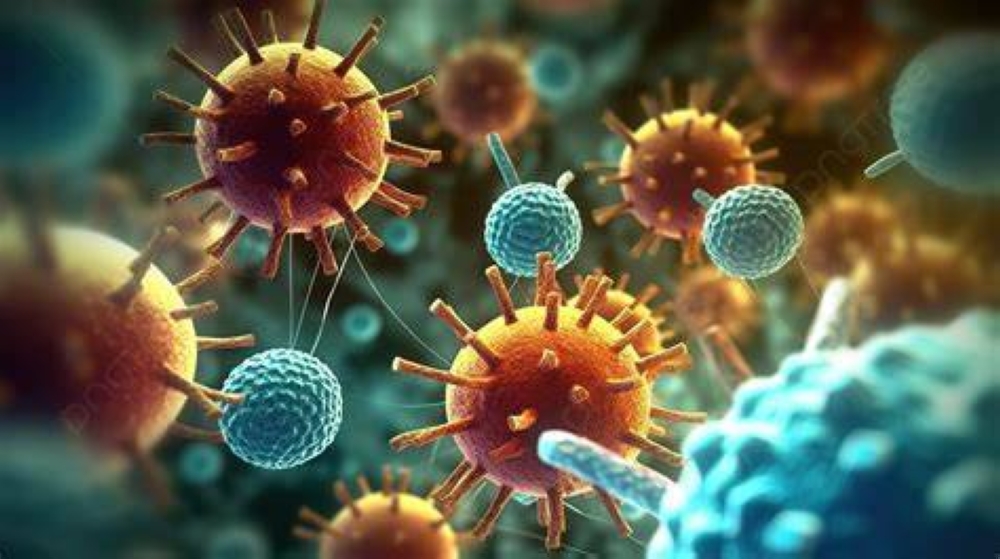
كشف فريق من الباحثين المقيمين في الولايات المتحدة عن اكتشاف مثير للقلق يتعلق بمجموعة من فايروسات الخفافيش تُعرف باسم «الفايروسات الميربيكو» التي قد تكون على بُعد خطوة صغيرة فقط من إحداث جائحة عالمية جديدة.
وتشمل مجموعة «الفايروسات الميربيكو» التي تُعدّ جزءاً من الجنس الفرعي لفايروسات كورونا، فايروس متلازمة الشرق الأوسط التنفسية (MERS)، المعروف بشدة عدواه ومعدل وفياته المرتفع الذي يصل إلى حوالى 34%.
ووفقاً لتقرير نُشر في مجلة Newsweek ركز الباحثون، بقيادة عالم الفايروسات مايكل ليتكو من جامعة ولاية واشنطن، على دراسة هذه الفايروسات التي لم تُعطَ الاهتمام الكافي سابقاً، وأظهرت الدراسة أن مجموعة فرعية تُعرف باسم «HKU5» المنتشرة في آسيا وأفريقيا وأوروبا والشرق الأوسط، تمتلك خصائص مقلقة تجعلها قادرة على التكيف بسرعة لتصيب البشر، وقال ليتكو: «هذه الفايروسات قريبة جداً من MERS، لذا يجب أن نقلق إذا ما أصابت البشر يوماً»، مُضيفاً أنه على الرغم من عدم وجود دليل على انتقالها للبشر حتى الآن، فإن الإمكانية قائمة، ما يجعلها تستحق المراقبة الدقيقة.
وتُشير الدراسة إلى أن فايروسات HKU5 تستخدم بروتين «السنبلة» للارتباط بمستقبلات ACE2 في الخلايا، وهي الآلية نفسها التي يستخدمها فايروس SARS-CoV-2 المسبب لكوفيد-19، وقد اكتشف الباحثون طفرات في هذه الفايروسات قد تُمكنها من الانتقال إلى البشر أو أنواع أخرى، كما حدث سابقاً عندما انتقل فايروس HKU5 إلى حيوانات المنك في دراسة أُجريت عام 2024.
ويُحذر الباحثون من أن قلة المعلومات حول هذه الفايروسات تزيد من المخاطر، خصوصاً أنها تُوجد في الخفافيش، التي تُعتبر خزانات طبيعية للعديد من الفايروسات الخطيرة مثل SARS وMERS وكوفيد-19، ويُشددون على ضرورة تعزيز المراقبة العالمية والبحث العلمي لفهم هذه الفايروسات بشكل أفضل وتطوير إستراتيجيات للوقاية منها قبل أن تتحول إلى تهديد فعلي.
تأتي هذه التحذيرات في وقت يواصل العالم التعافي من تداعيات جائحة كوفيد-19، ما يُبرز أهمية الاستعداد المبكر لمواجهة الجوائح المستقبلية المحتملة، ويُطالب العلماء بتكثيف الجهود الدولية لمراقبة الفايروسات الحيوانية المنشأ (Zoonotic Viruses) وتطوير لقاحات وعلاجات فعّالة للحد من المخاطر المستقبلية.
A team of researchers based in the United States has revealed a concerning discovery regarding a group of bat viruses known as "merbecoviruses," which may be just a small step away from causing a new global pandemic.
The "merbecoviruses" group, which is part of the subgenus of coronaviruses, includes the Middle East Respiratory Syndrome virus (MERS), known for its high transmissibility and mortality rate of about 34%.
According to a report published in Newsweek, the researchers, led by virologist Michael Letko from Washington State University, focused on studying these viruses that have not received adequate attention in the past. The study showed that a subset known as "HKU5", found in Asia, Africa, Europe, and the Middle East, has concerning characteristics that enable it to adapt quickly to infect humans. Letko stated, "These viruses are very close to MERS, so we should be worried if they ever infect humans," adding that although there is currently no evidence of their transmission to humans, the possibility exists, making them worthy of close monitoring.
The study indicates that HKU5 viruses use the "spike" protein to bind to ACE2 receptors in cells, the same mechanism used by the SARS-CoV-2 virus that causes COVID-19. The researchers discovered mutations in these viruses that could enable them to transmit to humans or other species, similar to what occurred previously when the HKU5 virus transmitted to minks in a study conducted in 2024.
Researchers warn that the lack of information about these viruses increases the risks, especially since they are found in bats, which are considered natural reservoirs for many dangerous viruses such as SARS, MERS, and COVID-19. They emphasize the need to enhance global surveillance and scientific research to better understand these viruses and develop strategies for prevention before they become an actual threat.
These warnings come at a time when the world continues to recover from the repercussions of the COVID-19 pandemic, highlighting the importance of early preparedness for potential future pandemics. Scientists are calling for intensified international efforts to monitor zoonotic viruses and develop effective vaccines and treatments to mitigate future risks.