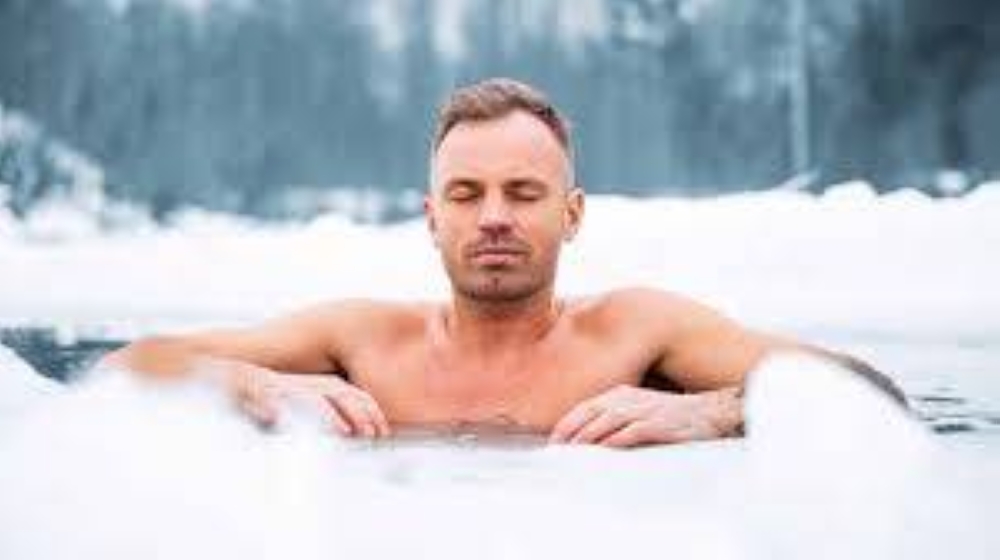
من التقاليد الرومانية القديمة إلى العادات اليومية لعمالقة التاريخ مثل توماس جيفرسون، لطالما ارتبط التعرض للماء البارد بفوائد صحية واعدة. لكن، هل هذا التقليد العتيق يحمل فعلاً مفتاحاً لتقوية المناعة؟ العلم الحديث يكشف عن إجابة أكثر تعقيداً مما قد تتوقع.
وفقاً للبروفيسور مايك تيبتون، أستاذ الفسيولوجيا البشرية بجامعة بورتسموث، يُحفّز الغطس في الماء البارد الجسم عبر «استجابة الصدمة الباردة»، التي تتسبب في تسارع التنفس، زيادة ضربات القلب، وإفراز هرمونات التوتر مثل الأدرينالين والكورتيزول.
هذه الاستجابة تجعلك تشعر باليقظة والحيوية، لكنها لا تعني بالضرورة أنك محمي من الأمراض.
دراسة هولندية أظهرت أن الأشخاص الذين ينهون استحمامهم بـ30 ثانية من الماء البارد قللوا أيام مرضهم بنسبة 29%، لكنهم عانوا من نفس عدد الإصابات بالعدوى مقارنة بغيرهم.
ويرى «تيبتون» أن هذا قد يعكس مرونة نفسية أو تأثير المشاركة في الدراسة، وليس تحسناً فعلياً في المناعة.
وتشير أبحاث «تيبتون» أيضاً إلى أن السباحين، سواء في المسابح الداخلية أو الخارجية، يصابون بعدوى تنفسية أقل، ما يوحي بأن النشاط البدني، وليس البرد، هو المسؤول عن الفوائد الصحية.
ويحذر من أن التعرض الطويل للبرد قد يؤدي إلى انخفاض حرارة الجسم، ما يضعف المناعة.
وأوصى «تيبتون» بالاكتفاء بغطس قصير لا يتجاوز 90 ثانية للحفاظ على السلامة.
From ancient Roman traditions to the daily habits of historical giants like Thomas Jefferson, exposure to cold water has long been associated with promising health benefits. But does this ancient tradition really hold the key to strengthening immunity? Modern science reveals a more complex answer than you might expect.
According to Professor Mike Tipton, a human physiology professor at the University of Portsmouth, diving into cold water stimulates the body through a "cold shock response," which causes rapid breathing, increased heart rate, and the release of stress hormones like adrenaline and cortisol.
This response makes you feel alert and energized, but it does not necessarily mean you are protected from illness.
A Dutch study showed that people who finished their showers with 30 seconds of cold water reduced their sick days by 29%, but they experienced the same number of infections compared to others.
Tipton believes this may reflect psychological resilience or the effect of participating in the study, rather than an actual improvement in immunity.
Tipton's research also indicates that swimmers, whether in indoor or outdoor pools, suffer from fewer respiratory infections, suggesting that physical activity, not cold exposure, is responsible for the health benefits.
He warns that prolonged exposure to cold can lead to hypothermia, which weakens immunity.
Tipton recommends limiting cold exposure to a short dip of no more than 90 seconds to ensure safety.