تتأهب الحكومة المصرية لإعلان خلو مصر من الجذام بحلول 2030، حسبما جاء في اجتماع لرئيس الوزراء اليوم (الثلاثاء).
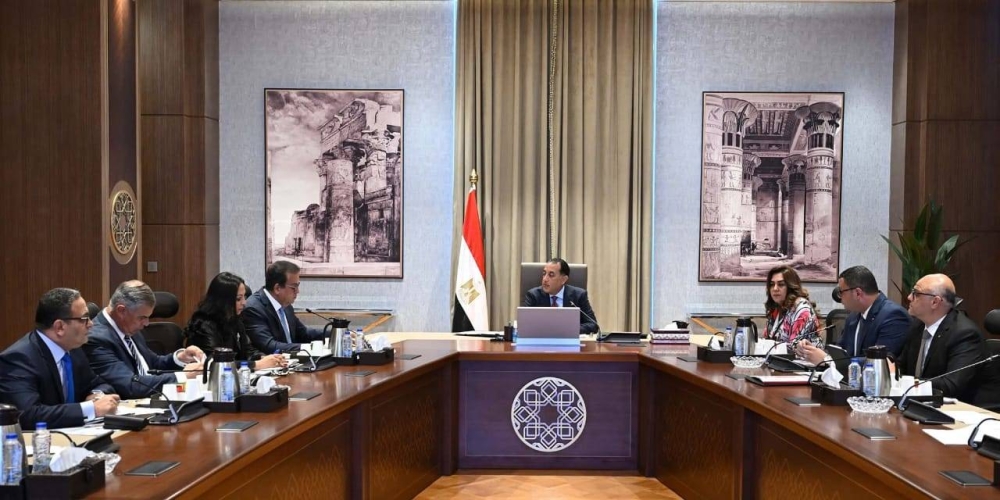
وعقد رئيس مجلس وزراء مصر الدكتور مصطفى مدبولي اجتماعاً اليوم لمتابعة استعدادات الحكومة للإعلان عن القضاء على مرض الجذام، بحضور وزراء الصحة والتنمية المحلية والتضامن الاجتماعي والإسكان، ومحافظي الإسكندرية والقليوبية، وعدد من المسؤولين.
وأكد مدبولي أن الارتقاء بالخدمات الصحية يشكل محوراً رئيسياً لتحقيق التنمية المستدامة، مشدداً على أهمية القضاء على الأمراض المعدية وغير المعدية ودعم المتعافين لإعادة دمجهم في المجتمع.
واستعرض وزير الصحة الدكتور خالد عبدالغفار إستراتيجية الوزارة للوصول إلى «صفر حالات جذام» بحلول 2030، من خلال الاكتشاف المبكر وتوفير العلاج النوعي عبر 27 عيادة متخصصة تابعة لإدارة مكافحة الجذام.
وأوضح أن الجذام مرض جلدي يمكن علاجه بسهولة، إذ يصبح غير معدٍ بعد الجرعة الأولى من العلاج، مما يلغي الحاجة لعزل المرضى.
وأشار إلى أن جميع المرضى في مستعمرتي العامرية وأبي زعبل متعافون، ويتلقون الرعاية في عيادات خارجية، مع إلغاء تسمية «عيادات الجذام» واستبدالها بـ«عيادات الجلدية التخصصية» تماشياً مع المعايير العالمية.
وأكد محافظ الإسكندرية أن 26 مريضاً في مستعمرة العامرية تم شفاؤهم بالكامل وتأهيلهم للاندماج في المجتمع، بينما أشار محافظ القليوبية إلى انخفاض أعداد المرضى في أبي زعبل بسبب تطور أساليب العلاج.
وأوضحت وزيرة التضامن الاجتماعي الدكتورة مايا مرسي أن معظم المتعافين يحصلون على دعم تكافل وكرامة، مع توفير برامج تأهيل وفرص عمل للقادرين.
ووجه رئيس الوزراء بتكثيف الجهود لتحقيق هدف «صفر حالات جذام»، مع ضمان تقديم الرعاية الطبية والنفسية والدعم النقدي للمتعافين، مستلهماً نجاح مصر في القضاء على أمراض مثل التهاب الكبد الوبائي «سي» و«بي»، والملاريا، وشلل الأطفال.
The Egyptian government is preparing to announce Egypt's elimination of leprosy by 2030, according to a meeting held by the Prime Minister today (Tuesday).
Prime Minister Dr. Mostafa Madbouly held a meeting today to follow up on the government's preparations to announce the eradication of leprosy, attended by the Ministers of Health, Local Development, Social Solidarity, and Housing, as well as the Governors of Alexandria and Qalyubia, and several officials.
Madbouly emphasized that improving health services is a key focus for achieving sustainable development, stressing the importance of eliminating both infectious and non-infectious diseases and supporting recovery efforts to reintegrate individuals into society.
Health Minister Dr. Khaled Abdel Ghaffar presented the ministry's strategy to reach "zero leprosy cases" by 2030, through early detection and providing specialized treatment via 27 specialized clinics under the Leprosy Control Administration.
He explained that leprosy is a skin disease that can be easily treated, as it becomes non-contagious after the first dose of treatment, thus eliminating the need to isolate patients.
He noted that all patients in the colonies of Al-Amiriya and Abu Zaabal have recovered and are receiving care in outpatient clinics, with the term "leprosy clinics" being replaced by "specialized dermatology clinics" in line with global standards.
The Governor of Alexandria confirmed that 26 patients in the Al-Amiriya colony have been fully cured and rehabilitated for reintegration into society, while the Governor of Qalyubia pointed to a decrease in patient numbers in Abu Zaabal due to advancements in treatment methods.
Social Solidarity Minister Dr. Maya Morsi stated that most of the recovered individuals receive Takaful and Karama support, along with rehabilitation programs and job opportunities for those able to work.
The Prime Minister directed to intensify efforts to achieve the goal of "zero leprosy cases," while ensuring the provision of medical and psychological care and financial support for the recovered individuals, drawing inspiration from Egypt's success in eradicating diseases such as hepatitis C and B, malaria, and polio.