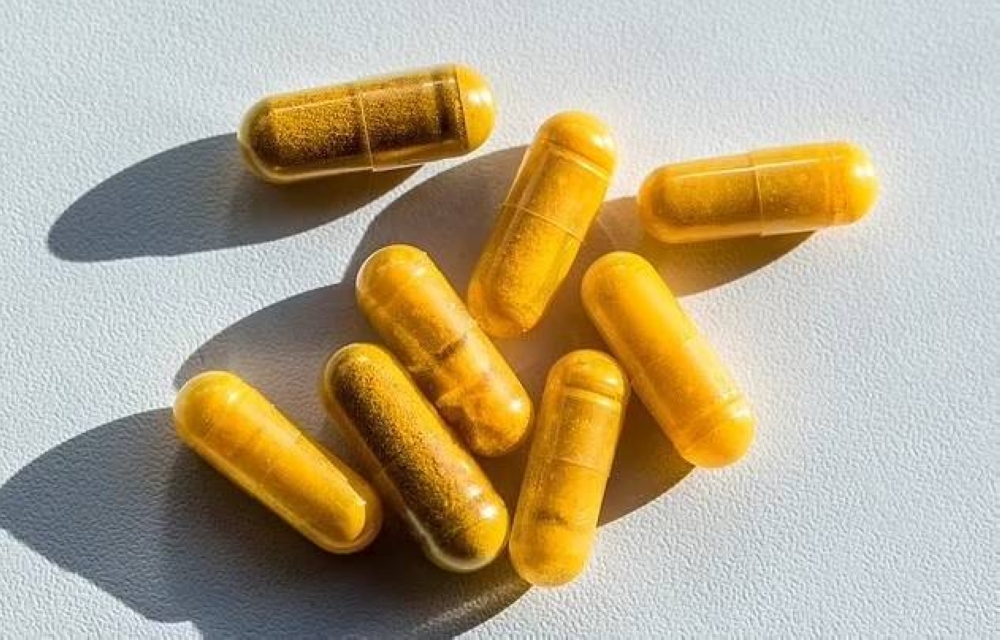
حذّر روبرت غرافتون، أب لخمسة أطفال من نيوجيرسي، يبلغ من العمر 54 عاماً، من مخاطر تناول المكملات العشبية بعد أن كاد يفقد حياته بسبب إصابة كبدية نجمت عن استهلاكه المفرط لمكمل غذائي يحتوي على الكركم.
كان غرافتون، وهو فني أشعة سابق، يتناول عدة مكملات طبيعية لتحسين صحته، بما في ذلك مكمل سائل يحتوي على الكركم، بعد رؤيته إعلاناً على وسائل التواصل الاجتماعي يروج له كداعم لصحة الكبد.
ووفقاً لموقع mail online، بعد أسبوع من إضافته إلى نظامه الغذائي في مارس الماضي، لاحظ غرافتون تغيراً مقلقاً، حيث تحول لون بوله إلى الداكن، شعر بالغثيان، فقدان الشهية، وحكة مستمرة. فتوقف فوراً عن تناول المكملات وتوجه إلى المستشفى خوفاً من فشل كبدي.
وأظهرت الفحوصات إصابته بتلف كبدي ناجم عن الأدوية (DILI)، مرتبط باستهلاكه المفرط للكركم. وكشفت الدكتورة دينا هاليغوا-دي مارزيو، اختصاصية أمراض الكبد التي عالجت غرافتون، أن المكملات التي تحتوي على جرعات مرتفعة من الكركم، خصوصا مع مستخلص الفلفل الأسود، قد تثقل كاهل الكبد، مما يؤدي إلى تراكم مواد سامة.
وأوضحت أن غرافتون كان يتناول حبوباً تحتوي على 2250 ملغ من الكركمين (مادة فعالة في الكركم)، بينما تُعتبر جرعة 2000 ملغ يومياً هي الحد الأقصى الآمن.
وأضافت: «الناس يفترضون أن هذه المكملات آمنة، لكنهم لا يدركون المخاطر الحقيقية، فالكبد هو العضو المسؤول عن تصفية الدم، معالجة العناصر الغذائية، وإزالة السموم مثل الكحول والأدوية، لكن الاستهلاك المفرط للمكملات، سواء كانت طبيعية أو كيميائية، قد يؤدي إلى تراكم مواد لا يستطيع الكبد معالجتها، مما يسبب إصابات خطيرة».
ووفق دراسة أجريت عام 2010، يُبلّغ سنوياً عن أكثر من 40 ألف حالة إصابة كبدية في الولايات المتحدة بسبب الأدوية والمكملات، وتؤدي أكثر من ألفي حالة إلى الوفاة.
وتكتسب المكملات العشبية شعبية متزايدة في الولايات المتحدة، حيث أظهرت دراسة نشرت عام 2024 في شبكة JAMA أن الكركم هو المكمل الأكثر استهلاكاً، يليه مستخلص الشاي الأخضر والأشواغاندا وغيرها.
ومع ذلك، لا تخضع هذه المكملات لتنظيم صارم من إدارة الغذاء والدواء الأمريكية (FDA)، مما يجعل من الصعب التحقق من سلامتها أو دقة محتوياتها.
ولم يكن غرافتون الوحيد الذي عانى من إصابات كبدية، ففي أبريل 2025، أصيبت جيني راميريز بفشل كبدي بسبب مادة ميثيل سلفونيل ميثان (MSM)، وهي مكون شائع في مكملات تحسين الشعر والجلد.
كما عانت امرأة تبلغ 45 عاماً في 2023 من آلام معدية وغثيان بعد تناول شاي عشبي يحتوي على فطر الريشي والصبار والجينسنغ السيبيري. هذه الحالات تبرز المخاطر المرتبطة بالمكملات غير المنظمة.
Robert Grafton, a 54-year-old father of five from New Jersey, warned about the dangers of taking herbal supplements after he nearly lost his life due to liver damage caused by excessive consumption of a turmeric-containing dietary supplement.
Grafton, a former radiology technician, was taking several natural supplements to improve his health, including a liquid supplement containing turmeric, after seeing an advertisement on social media promoting it as a liver health supporter.
According to mail online, a week after adding it to his diet last March, Grafton noticed a concerning change, as his urine turned dark, he felt nauseous, had a loss of appetite, and experienced persistent itching. He immediately stopped taking the supplements and went to the hospital fearing liver failure.
Tests showed he had drug-induced liver injury (DILI) linked to his excessive turmeric consumption. Dr. Dina Haligua-Di Marzio, the liver specialist who treated Grafton, revealed that supplements containing high doses of turmeric, especially with black pepper extract, can burden the liver, leading to the accumulation of toxic substances.
She explained that Grafton was taking pills containing 2250 mg of curcumin (the active ingredient in turmeric), while a daily dose of 2000 mg is considered the safe maximum.
She added, “People assume these supplements are safe, but they do not realize the real risks. The liver is the organ responsible for filtering blood, processing nutrients, and removing toxins like alcohol and medications, but excessive consumption of supplements, whether natural or chemical, can lead to the accumulation of substances that the liver cannot process, causing serious injuries.”
According to a study conducted in 2010, more than 40,000 cases of liver injury are reported annually in the United States due to medications and supplements, with over 2000 cases leading to death.
Herbal supplements are gaining increasing popularity in the United States, with a study published in 2024 in the JAMA network showing that turmeric is the most consumed supplement, followed by green tea extract and ashwagandha, among others.
However, these supplements are not subject to strict regulation by the Food and Drug Administration (FDA), making it difficult to verify their safety or the accuracy of their contents.
Grafton was not the only one to suffer from liver injuries; in April 2025, Jenny Ramirez suffered liver failure due to methylsulfonylmethane (MSM), a common ingredient in hair and skin improvement supplements.
A 45-year-old woman also experienced stomach pain and nausea in 2023 after consuming an herbal tea containing reishi mushroom, aloe vera, and Siberian ginseng. These cases highlight the risks associated with unregulated supplements.