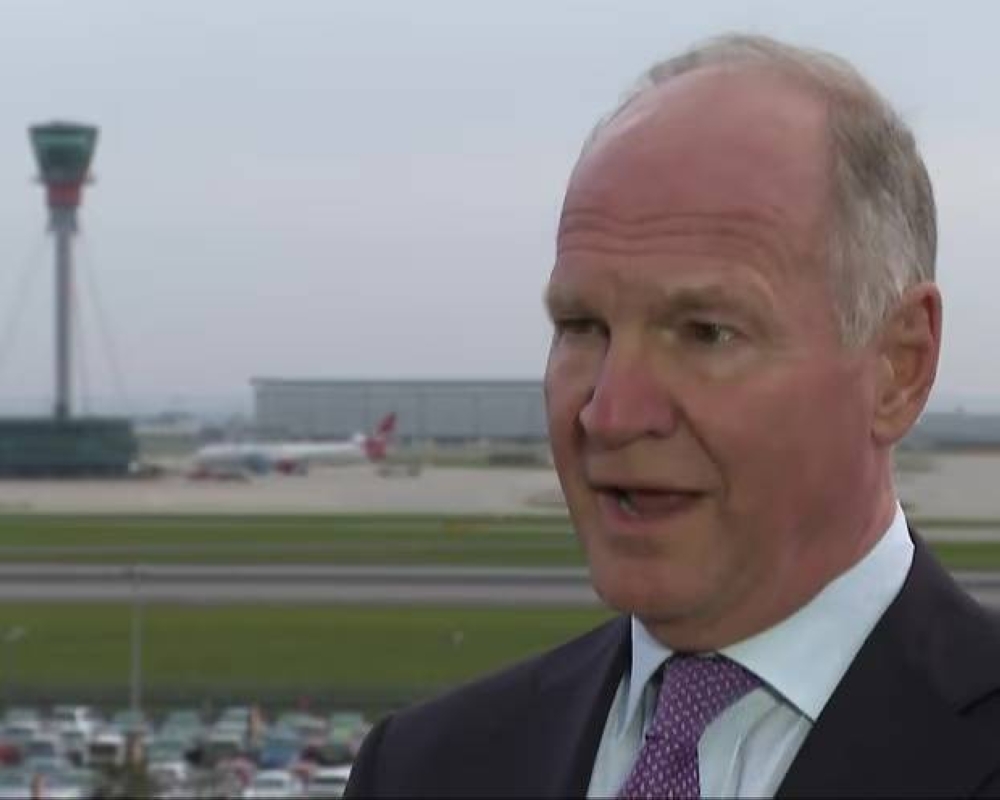
أعرب الرئيس التنفيذي لمطار هيثرو توماس ولدباي عن أسفه العميق لعدم توفره للتواصل خلال انقطاع الكهرباء الذي تسبب في إلغاء أكثر من 1300 رحلة جوية وتعطيل خطط سفر 200 ألف مسافر في 21 مارس الماضي.
ووفقاً لصحيفة «الغارديان»، كشف تحقيق داخلي أن «ولدباي» لم يرد على مكالمتين طارئتين وعدة اتصالات من مدير العمليات خافيير إيتشافي، بسبب تحويل هاتفه إلى الوضع الصامت دون علمه أثناء نومه.
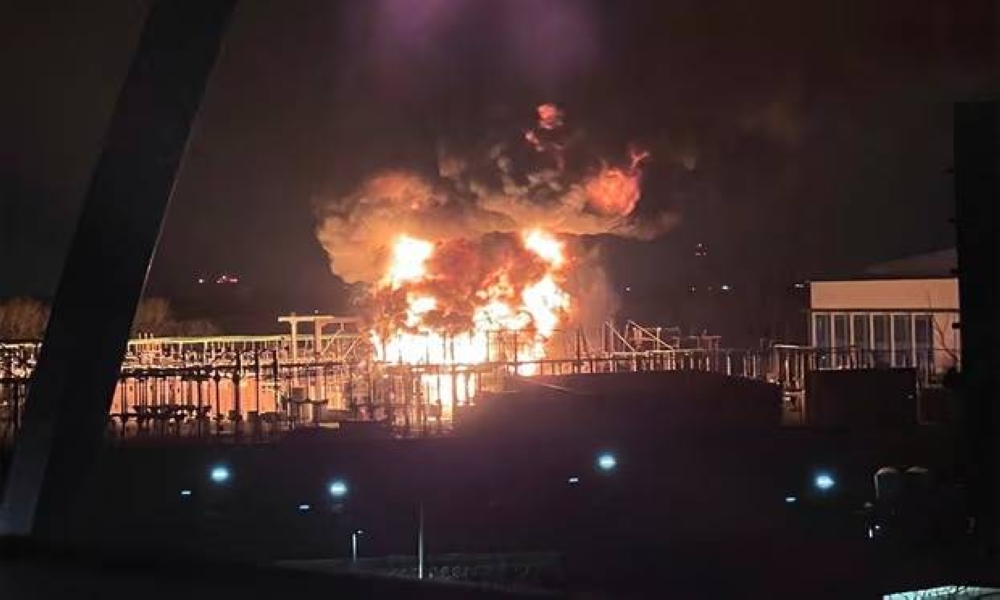
بدأت الأزمة عندما تسبب حريق في محطة كهرباء قريبة في قطع الطاقة عن إحدى نقاط الاتصال الثلاث بالشبكة الكهربائية للمطار، ما أدى إلى إغلاقه بشكل فوري.
ولم يعلم «ولدباي» بالحادثة إلا في الساعة 6:45 صباحاً، عندما تلقى تقريراً عن الحريق غير المسبوق الذي أدى إلى توقف العمليات.
أجرى التحقيق، الذي قادته وزيرة النقل البريطانية السابقة روث كيلي، مراجعة شاملة للأزمة، وخلص إلى أن قرار إيتشافي بإغلاق المطار بعد 90 دقيقة من انقطاع الكهرباء كان صحيحاً وضرورياً لضمان سلامة وأمن الأفراد.
وأكدت «كيلي» أن هيثرو اتخذ القرارات الصائبة في ظروف صعبة للغاية، مشيرة إلى أن خيارات بديلة لم تكن لتغير النتيجة بشكل جوهري.
وتعرض «ولدباي» لانتقادات حادة بسبب تقارير زعمت أنه ذهب للنوم ليكون أكثر راحة للتعامل مع تداعيات الأزمة في اليوم التالي، لكن التحقيق نفى أن يكون قد عين إيتشافي مسؤولاً عن إدارة الأزمة ثم ذهب للنوم.
وأثارت الحادثة تساؤلات حول مرونة البنية التحتية الكهربائية القديمة في المملكة المتحدة، التي يعود تصميمها في هيثرو إلى 75 عاماً.
وأوصى التحقيق بأن يدرس مطار هيثرو بجدية الاستثمار في مولدات ديزل جديدة لتوفير طاقة احتياطية إضافية، مع الإشارة إلى أن إعادة تهيئة شبكة الكهرباء تستغرق 8 ساعات على الأقل بسبب تصميم النظام القديم.
كما دعا التقرير إلى تعاون وثيق بين هيثرو وشركات الطيران وهيئة الطيران المدني لتطوير حلول طاقة مستدامة.
وقدر «ولدباي» أن تكلفة تحديث نظام الطاقة قد تصل إلى مليار جنيه إسترليني، ما قد يؤدي إلى زيادة رسوم الخدمات على شركات الطيران، وبالتالي ارتفاع أسعار تذاكر المسافرين.
وأكد أن استثمارات مرونة الطاقة جزء من استراتيجية المطار، مشيراً إلى أن الاستجابة للحادثة كانت فعالة بفضل الإجراءات المحكمة.
وتستمر التحقيقات التي تجريها هيئة تشغيل نظام الطاقة الوطنية وهيئة تنظيم الطاقة (Ofgem) لمعرفة أسباب انقطاع الكهرباء.
وأشار التحقيق إلى أن هيثرو يمتلك مولدات ديزل كافية لتشغيل إضاءة المدرج وبرج المراقبة لمدة تصل إلى 7 أيام في حالات الطوارئ.
The CEO of Heathrow Airport, Thomas Woldbye, expressed his deep regret for being unavailable for communication during the power outage that caused the cancellation of more than 1,300 flights and disrupted the travel plans of 200,000 passengers on March 21.
According to The Guardian, an internal investigation revealed that Woldbye did not respond to two emergency calls and several communications from Operations Director Javier Echavé, due to his phone being switched to silent mode without his knowledge while he was sleeping.
The crisis began when a fire at a nearby power station cut power to one of the three connection points of the airport's electrical network, leading to its immediate closure.
Woldbye was not informed of the incident until 6:45 AM, when he received a report about the unprecedented fire that halted operations.
The investigation, led by former British Transport Secretary Ruth Kelly, conducted a comprehensive review of the crisis and concluded that Echavé's decision to close the airport 90 minutes after the power outage was correct and necessary to ensure the safety and security of individuals.
Kelly confirmed that Heathrow made the right decisions under extremely challenging circumstances, noting that alternative options would not have significantly changed the outcome.
Woldbye faced sharp criticism due to reports that he went to sleep to be more rested for dealing with the aftermath of the crisis the following day, but the investigation denied that he had appointed Echavé to manage the crisis and then went to sleep.
The incident raised questions about the resilience of the UK's aging electrical infrastructure, which has been in place at Heathrow for 75 years.
The investigation recommended that Heathrow seriously consider investing in new diesel generators to provide additional backup power, noting that reconfiguring the electrical network takes at least 8 hours due to the old system's design.
The report also called for close cooperation between Heathrow, airlines, and the Civil Aviation Authority to develop sustainable energy solutions.
Woldbye estimated that the cost of upgrading the power system could reach £1 billion, which could lead to increased service fees for airlines and, consequently, higher ticket prices for travelers.
He confirmed that investments in energy resilience are part of the airport's strategy, indicating that the response to the incident was effective due to stringent measures.
Investigations by the National Grid and the energy regulator (Ofgem) are ongoing to determine the causes of the power outage.
The investigation noted that Heathrow has sufficient diesel generators to power the runway lighting and control tower for up to 7 days in emergencies.