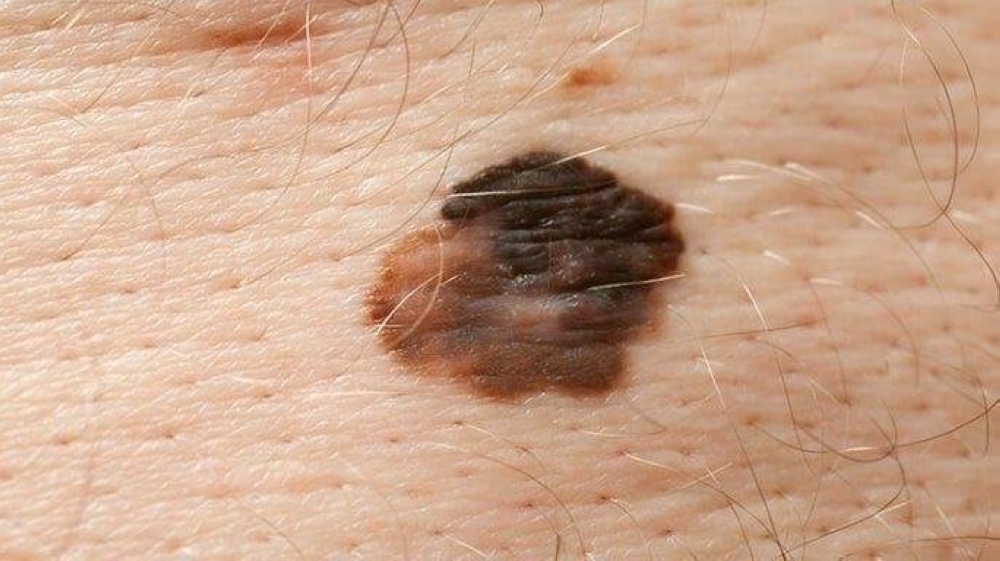
سرطان الجلد من أكثر أنواع السرطان شيوعا فى العالم، ولأن التشخيص المبكر من أفضل طرق العلاج يجب أن نعرف العلامات والأعراض فى بدايتها، ومن خلال الصور والكلمات نتعرف على علامات سرطان الجلد وأنواعه، بحسب ما ذكر موقع every day health.
أنواع سرطان الجلد
هناك ثلاثة أنواع من سرطان الجلد تحتاج إلى معرفتها وهى: سرطان الخلايا القاعدية وسرطان الخلايا الحرشفية والسرطان الجلدى.
ووفقا لمؤسسة سرطان الجلد الأمريكية، يتم علاج أكثر من 3.3 مليون شخص في الولايات المتحدة سنويا لسرطان الخلايا القاعدية أو الحرشفية وأكثر من 73 ألف أمريكي يصابون بالسرطان الجلدى.
ولا شك أن فحص بشرتك بانتظام بحثًا عن علامات الإصابة بسرطان الجلد يعني أنك أكثر قدرة على علاجه.
أولا: علامات سرطان الخلايا القاعدية:
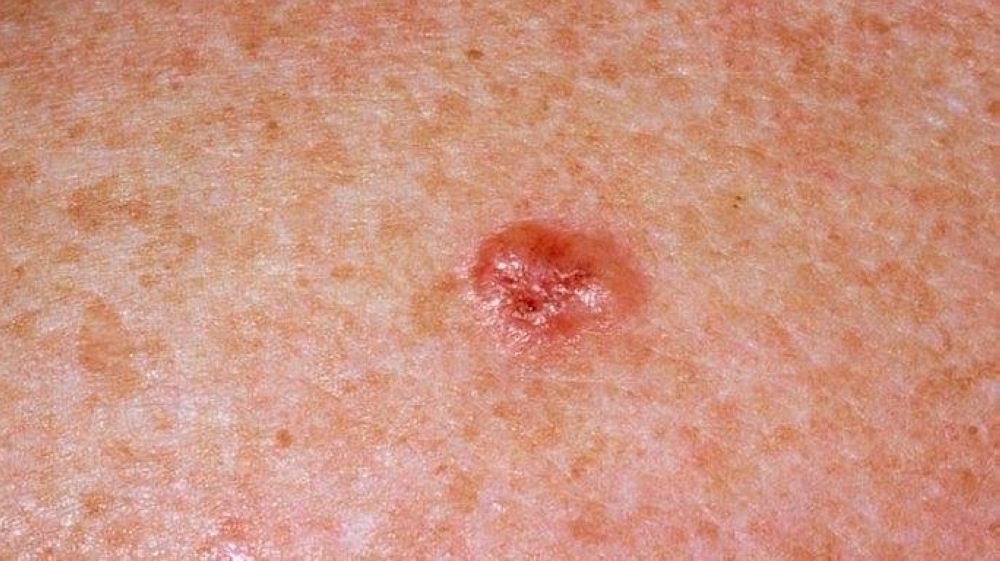
سرطان الخلايا القاعدية (BCC) هو من الأنواع الأكثر شيوعًا من سرطان الجلد، ويؤثر على نحو 2.8 مليون أمريكي كل عام، وقد يبدو وكأنه نتوء لامع أو بقعة حمراء أو نمو وردي أو قرحة مفتوحة أو منطقة شبيهة بالندبة.
يحدث هذا الأمر دائمًا في المناطق المعرضة للشمس في الجسم، مثل الرأس أو الرقبة أو الصدر أو الذراعين أو الساقين.
وهذا النوع من السرطان بطيء النمو ونادرا ما ينتشر إلى مناطق أخرى من الجسم، ما يجعله قابلا للعلاج بشكل كبير إذا تم اكتشافه مبكرا، ولكن إذا ترك دون علاج، يمكن أن يمتد بشكل عميق تحت الجلد ويسبب الضرر الشديد والتندب.
ثانيا: علامات سرطان الخلايا الحرشفية:
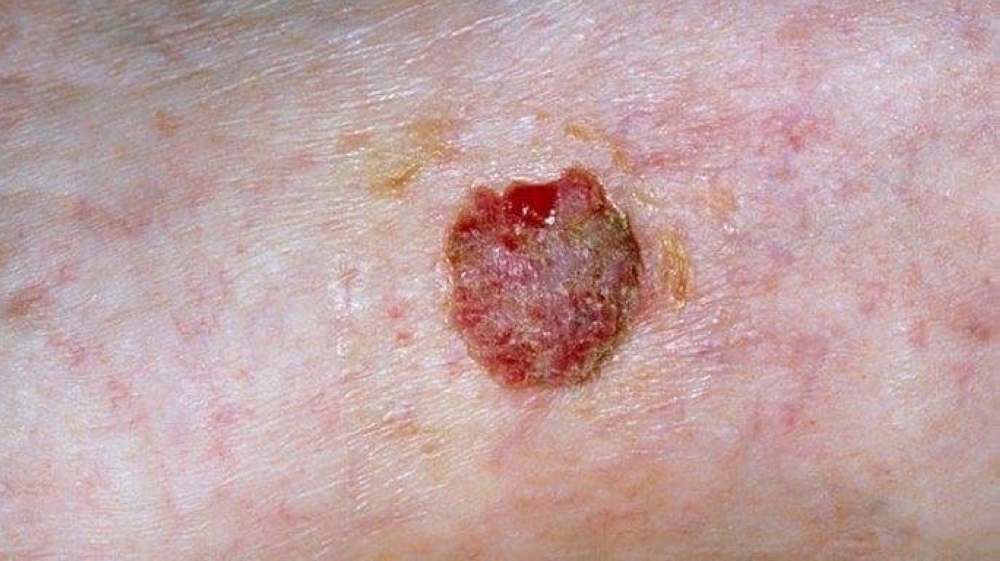
النوع الثاني الأكثر شيوعًا من سرطان الجلد، سرطان الخلايا الحرشفية (SCC)، وقد يأخذ شكل نتوء ثابت، قرحة مفتوحة، أو متقشرة، رقعة حمراء.
وهو الأكثر شيوعًا في الأذنين والشفة السفلى والوجه والعنق والرأس وعلى اليدين والذراعين والساقين.
وسرطان الخلايا الحرشفية أكثر عدوانية من سرطانات الخلايا القاعدية، إلى جانب التسبب في ضرر يمكن أن ينتشر في مناطق أخرى من الجسم.
ثالثا: علامات السرطان الجلدي أو الميلانوما:
وتمثل الميلانوما أقل من 5% من سرطانات الجلد ولكنها مسؤولة عن الغالبية العظمى من وفيات سرطان الجلد. يموت شخص واحد من هذا النوع من سرطان الجلد كل 57 دقيقة.
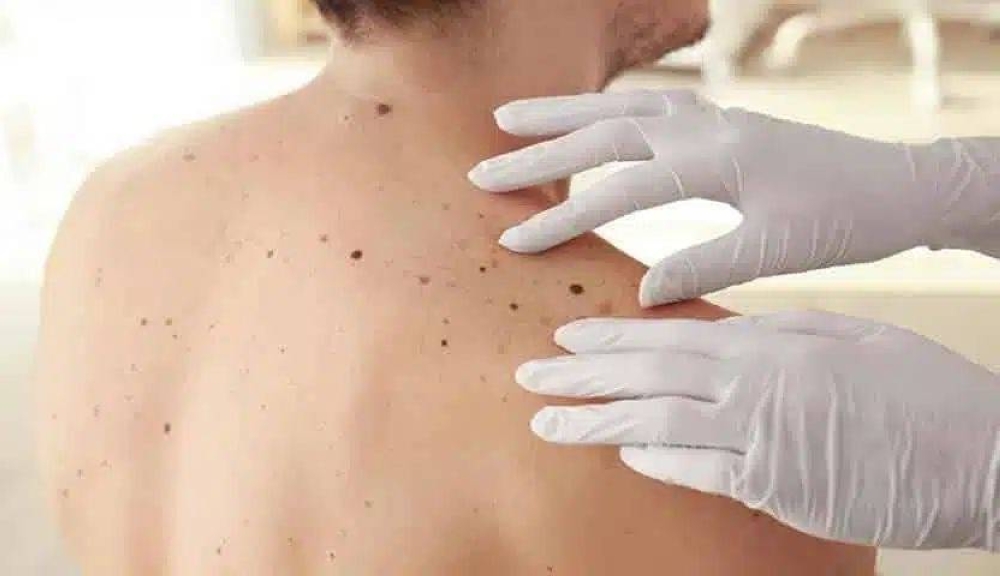
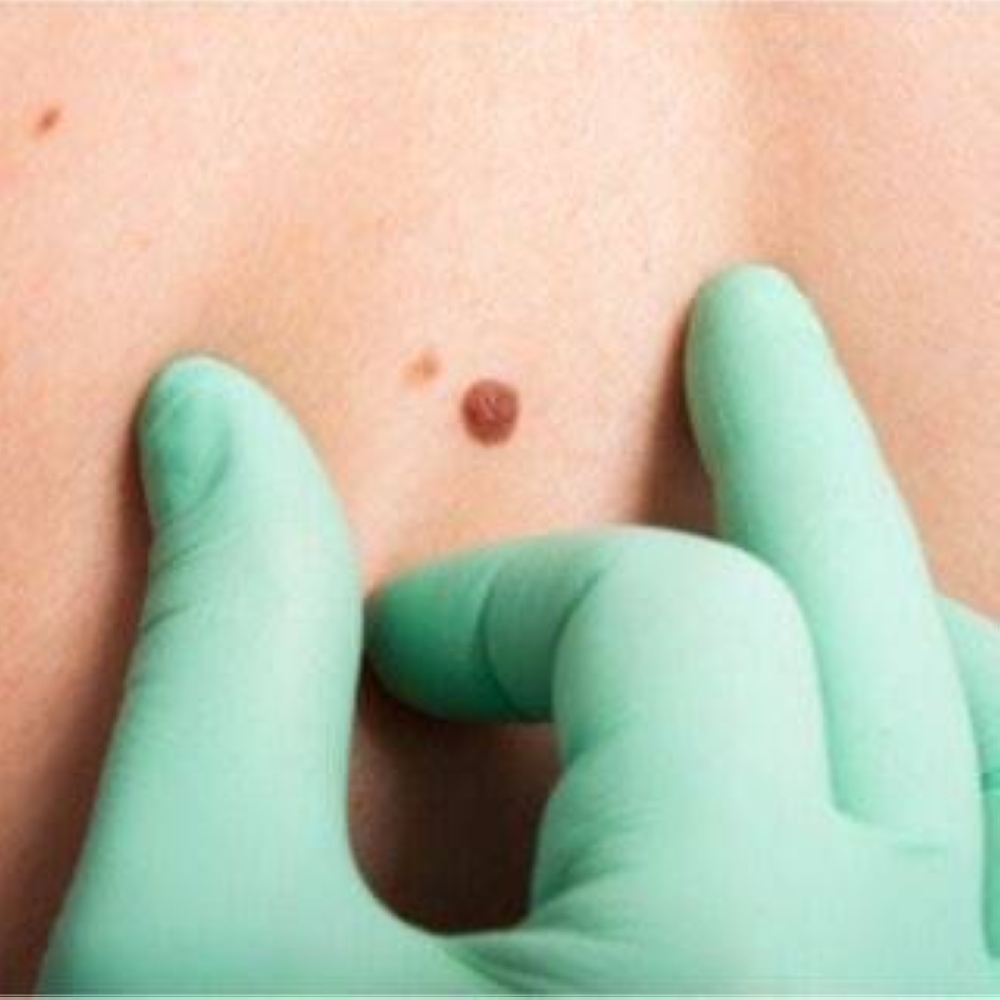
وغالبا ما يتطور الورم الميلانيني في المناطق المعرضة للشمس من الجلد، ولكن يمكن أن يبدأ أيضا داخل العين، في الفم، وعلى راحتي اليدين وباطن القدمين. ويمكن أن يظهر على شكل حسنة أو شامة فى الجلد أو تتغير شكل حسنة قديمة عادة ما يحدث الميلانوما في عمر أصغر من سرطانات الجلد الأخرى.
وهو أكثر أنواع السرطان شيوعًا بين الأشخاص الذين تتراوح أعمارهم بين 25 و 29 عامًا.
متى يكون السرطان عالي الخطورة؟
يكون السرطان عالي الخطورة حين:
* ينتشر في المستويات السفلية من الجلد.
* ينتشر في المنطقة حول العصب.
* يظهر على الشفاه أو الأذنين.
* يبدو غير طبيعي تحت المجهر.
ما مراحل سرطان الجلد؟
* المرحلة صفر: عدم انتشار السرطان في المناطق المحيطة بالجلد.
* المرحلة الأولى: يبلغ عرض السرطان 2 سم أو أقل، مع عدم وجود مؤشرات عالية الخطورة.
* المرحلة الثانية: يبلغ عرض السرطان أكثر من 2 سم، وله سمتان عاليتا الخطورة على الأقل.
* المرحلة الثالثة: ينتشر السرطان إلى عظام الوجه أو الغدد الليمفاوية المجاورة.
* المرحلة الرابعة: ينتشر السرطان إلى الغدد الليمفاوية أو الأعضاء الداخلية.
طرق علاج سرطان الجلد
* العلاج الجراحي: تستخدم الجراحة لاستئصال آفة السرطان وجزء من الجلد السليم المحيط بها، أو إزالة الورم ثم إزالة الحواف تدريجيًا مع فحص النسيج تحت المجهر حتى الوصول إلى الطبقة الخالية من الخلايا السرطانية.
* الكشط والتجفيف الكهربائي: ينطوي هذا العلاج على إزالة الورم بالمكشط ثم كي الحواف للقضاء على أي خلايا سرطانية متبقية.
* العلاج بالتبريد: يتم فيه استخدام النيتروجين السائل لتدمير الورم وإزالته.
* العلاج الموضعي: يمكن أن توصف الأدوية التي تحفز جهاز المناعة أو الأدوية الكيماوية الموضعية في صورة جل أو كريم لعلاج سرطان الجلد.
* العلاج الإشعاعي: ينطوي العلاج الإشعاعي على تسليط أشعة على المنطقة المصابة لقتل الخلايا السرطانية.
* العلاج الكيميائي: قد يستخدم العلاج الكيميائي عن طريق الفم أو عبر الوريد للقضاء على السرطان.
* العلاج الضوئي الديناميكي: يجرى هذا العلاج من خلال وضع دواء على المنطقة المصابة أو إعطائه وريديًا، ثم تسليط ضوء أزرق معين لتنشيط الدواء.
Skin cancer is one of the most common types of cancer in the world, and since early diagnosis is one of the best treatment methods, we need to know the signs and symptoms in their early stages. Through images and words, we can learn about the signs of skin cancer and its types, according to what was mentioned on the Every Day Health website.
Types of Skin Cancer
There are three types of skin cancer that you need to know: basal cell carcinoma, squamous cell carcinoma, and melanoma.
According to the American Skin Cancer Foundation, more than 3.3 million people in the United States are treated annually for basal or squamous cell carcinoma, and more than 73,000 Americans are diagnosed with melanoma.
There is no doubt that regularly examining your skin for signs of skin cancer means you are more capable of treating it.
First: Signs of Basal Cell Carcinoma:
Basal cell carcinoma (BCC) is one of the most common types of skin cancer, affecting about 2.8 million Americans each year. It may appear as a shiny bump, a red spot, a pink growth, an open sore, or a scar-like area.
This always occurs in sun-exposed areas of the body, such as the head, neck, chest, arms, or legs.
This type of cancer grows slowly and rarely spreads to other areas of the body, making it highly treatable if detected early. However, if left untreated, it can extend deeply under the skin and cause severe damage and scarring.
Second: Signs of Squamous Cell Carcinoma:
The second most common type of skin cancer, squamous cell carcinoma (SCC), may take the form of a firm bump, an open sore, or a scaly, red patch.
It is most commonly found on the ears, lower lip, face, neck, scalp, and on the hands, arms, and legs.
Squamous cell carcinoma is more aggressive than basal cell cancers, as it can cause damage that may spread to other areas of the body.
Third: Signs of Melanoma:
Melanoma accounts for less than 5% of skin cancers but is responsible for the majority of skin cancer deaths. One person dies from this type of skin cancer every 57 minutes.
The melanoma often develops in sun-exposed areas of the skin but can also start inside the eye, in the mouth, and on the palms of the hands and soles of the feet. It can appear as a mole or a change in the shape of an existing mole, and melanoma usually occurs at a younger age than other skin cancers.
It is the most common type of cancer among people aged 25 to 29 years.
When is Cancer High Risk?
Cancer is considered high risk when:
* It spreads to the lower levels of the skin.
* It spreads to the area around the nerve.
* It appears on the lips or ears.
* It looks abnormal under the microscope.
What are the Stages of Skin Cancer?
* Stage Zero: No cancer has spread to the surrounding skin.
* Stage One: The cancer is 2 cm or less in diameter, with no high-risk indicators.
* Stage Two: The cancer is more than 2 cm in diameter and has at least two high-risk features.
* Stage Three: The cancer has spread to the bones of the face or nearby lymph nodes.
* Stage Four: The cancer has spread to the lymph nodes or internal organs.
Treatment Methods for Skin Cancer
* Surgical Treatment: Surgery is used to remove the cancerous lesion and a portion of the surrounding healthy skin, or to remove the tumor and then gradually remove the margins while examining the tissue under a microscope until reaching the layer free of cancer cells.
* Curettage and Electrodessication: This treatment involves removing the tumor with a curette and then cauterizing the edges to eliminate any remaining cancer cells.
* Cryotherapy: This involves using liquid nitrogen to destroy and remove the tumor.
* Topical Treatment: Medications that stimulate the immune system or topical chemotherapy drugs in the form of a gel or cream may be prescribed to treat skin cancer.
* Radiation Therapy: Radiation therapy involves directing rays at the affected area to kill cancer cells.
* Chemotherapy: Chemotherapy may be administered orally or intravenously to eliminate cancer.
* Photodynamic Therapy: This treatment is performed by applying a medication to the affected area or administering it intravenously, then directing a specific blue light to activate the medication.