لم يعد السباق العالمي في عالم السيارات يدور حول السرعة أو التصميم فقط، بل حول سؤال واحد: من سيقود المستقبل؟ وفي معرض بكين الدولي للسيارات، بدا أن الصين تريد الإجابة بوضوح: نحن الأقرب.
المعرض الذي جمع مئات الشركات وأكثر من ألف مركبة، تحول إلى استعراض ضخم لتقنيات القيادة الذاتية والذكاء الاصطناعي، وسط مشهد لافت لسيارات تتحرك دون سائقين تقريبًا، في رسالة مباشرة إلى العالم بأن العملاق الآسيوي لا يريد فقط بيع السيارات، بل إعادة تعريفها بالكامل.
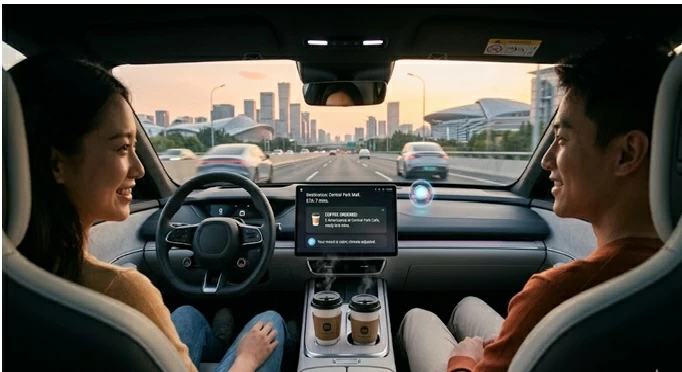
أحد أكثر المشاهد إثارة جاء من شركة «إكس بنج»، التي كشفت عن نظام ذكي يسمح للسائق بإعطاء أوامر طبيعية مثل: «اركن قرب مدخل المركز التجاري»، لتتولى السيارة تنفيذ المهمة دون الحاجة إلى خرائط معقدة أو تحديد موقع دقيق. أما «شاومي»، فذهبت أبعد من ذلك، عبر نظام تشغيل جديد يحول السيارة إلى مساعد شخصي متكامل. يمكنك طلب قهوة، وحجز مطعم، وتدوين ملاحظات، وحتى تشغيل أجواء مريحة تلقائيًا إذا رصد النظام أنك متوتر بعد يوم طويل. وبمعنى آخر، يمكن القول إن السيارة لم تعد وسيلة نقل فقط، بل بدأت تتحول إلى مساحة معيشة ذكية على عجلات.
شركة «هواوي» رفعت سقف المنافسة بإعلان استثمار ضخم يصل إلى 80 مليار يوان خلال خمس سنوات لتطوير القيادة الذاتية وقدرات الحوسبة داخل المركبات. وهو رقم يكشف أن المعركة القادمة لن تكون في المصانع فقط، بل في البرمجيات والذكاء الاصطناعي.
لماذا تتحرك الصين الآن؟
السبب لا يتعلق بالطموح فقط، بل بالضرورة أيضًا. فالسوق المحلية الصيني تواجه تباطؤًا واضحًا، مع تراجع مبيعات سيارات الركاب بنسبة 17% في الربع الأول من العام، وانخفاض مبيعات بعض الشركات الكبرى لعدة أشهر متتالية.
لذلك تبحث الشركات عن طريق جديد للربح: بيع التكنولوجيا نفسها، وليس السيارات فقط. فالاشتراكات الذكية، والخدمات المدفوعة، وأنظمة القيادة الذاتية قد تصبح مصدر الدخل الحقيقي القادم.
وبينما تباطأت السوق المحلية، قفزت صادرات السيارات الصينية بأكثر من 60%، في إشارة إلى أن العالم بدأ يفتح أبوابه لهذه العلامات بسرعة.
شركة «شيري» مثلًا حققت انطلاقة قوية في بريطانيا، وتطمح إلى بيع 10 ملايين سيارة سنويًا عالميًا بحلول 2030، بينما تستعد شركات أخرى لنشر سيارات أجرة ذاتية القيادة في مدن كبرى مثل لندن.
وما يحدث في بكين ليس مجرد معرض سيارات، بل عرض مبكر لشكل الحياة القادمة. سيارة تقود نفسها، تطلب قهوتك، تهدئ أعصابك، وتعرف وجهتك قبل أن تشرحها. وإذا استمرت الصين بهذا الإيقاع، فقد لا تكتفي بقيادة سوق السيارات الكهربائية، بل قد تقود مستقبل التنقل كله.
The global race in the automotive world is no longer just about speed or design, but about one question: who will lead the future? At the Beijing International Automotive Exhibition, it seemed that China wanted to answer clearly: we are the closest.
The exhibition, which brought together hundreds of companies and more than a thousand vehicles, turned into a massive showcase of self-driving technologies and artificial intelligence, amidst a striking scene of cars moving almost without drivers, sending a direct message to the world that the Asian giant does not just want to sell cars, but to completely redefine them.
One of the most exciting scenes came from the company "Xpeng," which unveiled an intelligent system that allows the driver to give natural commands such as: "Park near the entrance of the shopping center," allowing the car to execute the task without the need for complex maps or precise location. Meanwhile, "Xiaomi" went even further, with a new operating system that turns the car into a fully integrated personal assistant. You can order coffee, book a restaurant, take notes, and even automatically create a relaxing atmosphere if the system detects that you are stressed after a long day. In other words, it can be said that the car is no longer just a means of transportation, but is beginning to transform into a smart living space on wheels.
The company "Huawei" raised the stakes by announcing a massive investment of up to 80 billion yuan over five years to develop self-driving capabilities and computing power within vehicles. This figure reveals that the next battle will not only be in factories but also in software and artificial intelligence.
Why is China moving now?
The reason is not just ambition, but necessity as well. The Chinese domestic market is facing a clear slowdown, with passenger car sales declining by 17% in the first quarter of the year, and sales of some major companies dropping for several consecutive months.
Therefore, companies are looking for a new way to profit: selling the technology itself, not just cars. Smart subscriptions, paid services, and self-driving systems may become the next real source of income.
While the domestic market has slowed, Chinese car exports have jumped by more than 60%, indicating that the world is beginning to open its doors to these brands quickly.
For example, the company "Chery" has made a strong debut in Britain, aiming to sell 10 million cars annually worldwide by 2030, while other companies are preparing to deploy self-driving taxis in major cities like London.
What is happening in Beijing is not just a car exhibition, but an early showcase of the shape of future life. A car that drives itself, orders your coffee, calms your nerves, and knows your destination before you explain it. If China continues at this pace, it may not only lead the electric vehicle market but could also lead the future of mobility as a whole.