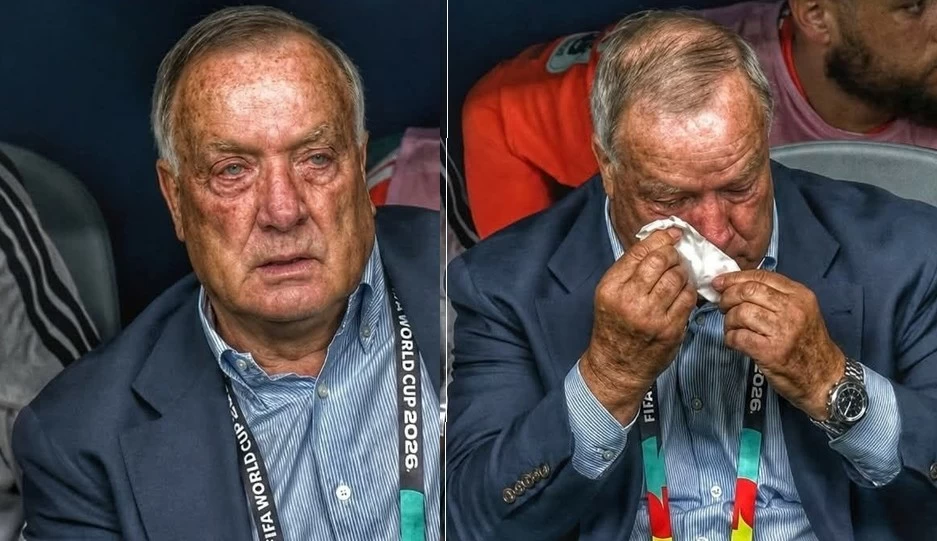
لم يكن ديك أدفوكات يفترض أن يقود كوراساو في كأس العالم 2026. فبعد أن نجح في تحقيق إنجاز تاريخي ببلوغ الدولة الكاريبية الصغيرة النهائيات للمرة الأولى، قرر المدرب الهولندي التنحي مطلع العام الحالي للتفرغ لرعاية ابنته التي كانت تمر بظروف صحية صعبة، مؤكداً حينها أن العائلة تسبق كرة القدم في سلم أولوياته.
لكن الأشهر التالية حملت تطورات غير متوقعة. تحسن الوضع الصحي لابنته تزامناً مع اضطرابات فنية داخل المنتخب تحت قيادة خليفته فريد روتن، الذي لم ينجح في كسب ثقة اللاعبين رغم فترة قصيرة قضاها في المنصب. ومع تصاعد الضغوط داخل أروقة الكرة في كوراساو، عاد أدفوكات بشكل مفاجئ قبل أسابيع قليلة فقط من انطلاق البطولة ليكمل المهمة التي بدأها.
وتعكس قصة كوراساو حجم التحول الذي شهدته كرة القدم في الجزيرة التي لا يتجاوز عدد سكانها 160 ألف نسمة. فبعد سنوات من المعاناة المالية وصعوبة توفير متطلبات المشاركات الدولية، لعبت استثمارات ورعاية القطاع الخاص دوراً محورياً في بناء بيئة أكثر احترافية، ما ساعد الاتحاد المحلي على استقطاب الكفاءات الفنية وتطوير المنتخب وصولاً إلى الحلم المونديالي.
وعلى الرغم من الخسارة القاسية أمام ألمانيا في المباراة الافتتاحية في المونديال، بقي أدفوكات متمسكاً بنظرته الأوسع للمشهد. فالمدرب البالغ 78 عاماً، والذي أصبح أكبر مدرب يقود منتخباً في تاريخ كأس العالم، يرى أن مجرد وصول كوراساو إلى هذا المستوى يمثل إنجازاً استثنائياً لدولة صغيرة تشق طريقها بين كبار اللعبة.
وبين عودة متأخرة، وظروف شخصية معقدة، وطموحات وطنية غير مسبوقة، تحولت رحلة أدفوكات مع كوراساو إلى واحدة من أكثر القصص الإنسانية والرياضية تميزاً في مونديال 2026.
Dick Advocaat was not supposed to lead Curaçao in the 2026 World Cup. After achieving a historic milestone by bringing the small Caribbean nation to the finals for the first time, the Dutch coach decided to step down at the beginning of this year to focus on caring for his daughter, who was going through difficult health issues, affirming at the time that family comes before football in his priorities.
However, the following months brought unexpected developments. His daughter's health improved alongside technical disturbances within the national team under the leadership of his successor, Fred Rutten, who failed to gain the players' trust despite a short time in the position. As pressures mounted within the corridors of football in Curaçao, Advocaat made a surprising return just a few weeks before the tournament to complete the mission he had started.
The story of Curaçao reflects the transformation that football has undergone in the island with a population of just 160,000. After years of financial struggles and difficulties in meeting the requirements for international participation, investments and sponsorship from the private sector played a pivotal role in building a more professional environment, which helped the local federation attract technical talents and develop the national team towards the World Cup dream.
Despite the harsh loss to Germany in the opening match of the World Cup, Advocaat remained committed to his broader vision of the scene. The 78-year-old coach, who became the oldest coach to lead a team in World Cup history, believes that merely reaching this level represents an exceptional achievement for a small nation making its way among the giants of the game.
Amid a late return, complex personal circumstances, and unprecedented national ambitions, Advocaat's journey with Curaçao has turned into one of the most remarkable human and sporting stories in the 2026 World Cup.