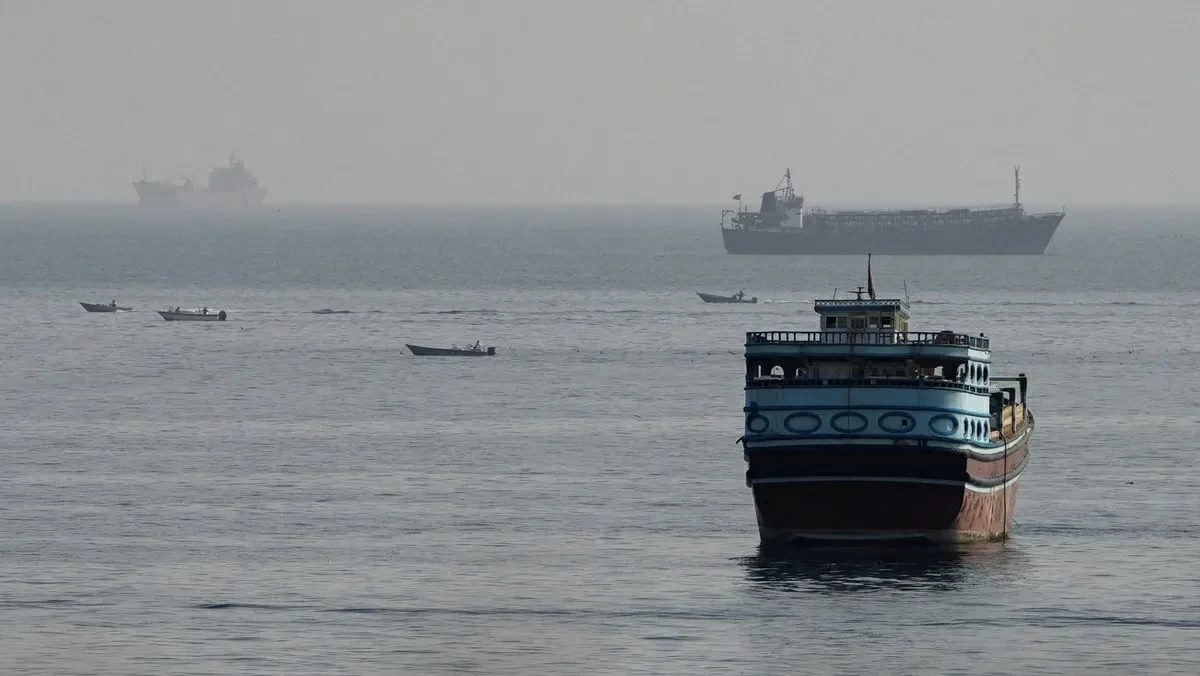
كشفت مصادر مطلعة أن المفاوضات التي يرجح أن تنطلق اليوم (الإثنين)، بين الولايات المتحدة وإيران، بحسب ما أعلن الرئيس الأمريكي دونالد ترمب، ستركز في المقام الأول على استئناف الملاحة عبر مضيق هرمز، ورفع الحصار الأمريكي عن الموانئ الإيرانية.
الوسطاء يكثفون اتصالاتهم
أفادت وكالة «أسوشيتد برس»، بأن المفاوضات ستتناول وقف جميع الضربات في المنطقة، بما في ذلك الهجمات التي تنفذها الفصائل المسلحة الموالية لإيران في العراق، إلى جانب استئناف صادرات النفط الإيرانية بدون عوائق.
وأشارت إلى أن الدول الشرق أوسطية التي تضطلع بدور الوساطة تعتزم تكثيف اتصالاتها مع واشنطن وطهران خلال الأيام القادمة، موضحة أن من الممكن في هذه المرحلة أن يعود الطرفان إلى المبادئ الأساسية لمذكرة التفاهم الموقعة بينهما في 18 يونيو.
وكان الرئيس ترمب أعلن، في وقت سابق، أن الولايات المتحدة وإيران ستبدآن مفاوضات بشأن اتفاق سلام في 3 أغسطس، وكتب عبر منصة «تروث سوشيال» أنه وافق على إلغاء الضربة القوية التي وعد بها ضد إيران من أجل التوصل إلى اتفاق مع طهران.
وأضاف ترمب أن دولاً حليفة لأمريكا وإيران طلبت من واشنطن الامتناع عن تنفيذ الهجوم، بعدما حدد الطرفان الخطوط العريضة للاتفاق المرتقب، مشيراً إلى أن الاتفاق يجب أن يتضمن إعادة فتح مضيق هرمز بشكل فوري وإزالة التهديد النووي الإيراني.
محادثات إيرانية عمانية
من جانبه ،أعلن المتحدث باسم الخارجية الإيرانية إسماعيل بقائي، الاثنين، أن طهران لا تجري مفاوضات مع الولايات المتحدة حالياً، مشيراً إلى أن هناك محادثات حالية مع سلطنة عمان بشأن مضيق هرمز.
وأضاف بقائي خلال مؤتمر صحفي، بشأن صحة الترتيب لمحادثات مع واشنطن: "لا توجد خطة لاستقبال وفد أو إرسال وفد إيراني خلال هذه الأيام"، لافتاً إلى أن إيران تعمل مع سلطنة عمان بشأن مسار آمن مؤقت عبر مضيق هرمز.
واعتبر أن التوصل إلى اتفاق مع عُمان بشأن المسار لا يكفي لإعادة فتح المضيق، مضيفاً أن الوضع سيظل على حاله ما دام العدوان الأمريكي مستمراً ، وفق قوله .
تراجع في اللحظات الأخيرة
وأطلق ترمب تهديدات متكررة بأنه سيصعد الحرب على إيران التي شنها مع إسرائيل في أواخر فبراير، فقط لإتاحة مزيد من الوقت للمحادثات، التي لم تؤد حتى الآن إلى اتفاق شامل.
وكان التراجع عن التصعيد بعد أيام من التهديدات بشن هجمات جديدة من كلا الجانبين أحدث تطوراً في الحرب التي أثرت بشكل كبير على حرية الملاحة في مضيق هرمز، الذي كان تمر عبره 20% من النفط والغاز الطبيعي المسال في العالم قبل بدء الحرب، مما تسبب في ارتفاع أسعار الطاقة وأدى إلى تفاقم التضخم على نطاق أوسع.
ودفع الرئيس الأمريكي بأن هدفه المعلن المتمثل في منع إيران من الحصول على أسلحة نووية يبرر ارتفاع تكاليف الوقود على المدى القريب، لكن الضرر الاقتصادي فرض ضغوطاً سياسية عليه لإيجاد طريقة لإنهاء الصراع.
Informed sources revealed that the negotiations expected to start today (Monday) between the United States and Iran, as announced by U.S. President Donald Trump, will primarily focus on resuming navigation through the Strait of Hormuz and lifting the American blockade on Iranian ports.
Mediators Intensify Their Communications
The Associated Press reported that the negotiations will address halting all strikes in the region, including attacks carried out by Iran-aligned armed factions in Iraq, as well as resuming Iranian oil exports without obstacles.
It noted that the Middle Eastern countries playing a mediating role intend to intensify their communications with Washington and Tehran in the coming days, explaining that at this stage, it is possible for both parties to return to the fundamental principles of the memorandum of understanding signed between them on June 18.
President Trump had previously announced that the United States and Iran would begin negotiations on a peace agreement on August 3, stating via the "Truth Social" platform that he agreed to cancel the strong strike he had promised against Iran in order to reach an agreement with Tehran.
Trump added that allied countries of the U.S. and Iran requested Washington to refrain from carrying out the attack after both parties outlined the framework for the anticipated agreement, indicating that the agreement should include the immediate reopening of the Strait of Hormuz and the removal of the Iranian nuclear threat.
Iranian-Omani Talks
For his part, Iranian Foreign Ministry spokesman Ismail Baqaei announced on Monday that Tehran is not currently negotiating with the United States, noting that there are ongoing talks with Oman regarding the Strait of Hormuz.
Baqaei added during a press conference regarding the arrangement for talks with Washington: "There is no plan to receive a delegation or send an Iranian delegation in the coming days," pointing out that Iran is working with Oman on a temporary safe passage through the Strait of Hormuz.
He considered that reaching an agreement with Oman regarding the passage is not sufficient to reopen the strait, adding that the situation will remain unchanged as long as the American aggression continues, according to his statement.
Last-Minute Retreat
Trump has issued repeated threats that he would escalate the war on Iran, which he initiated with Israel in late February, only to allow more time for talks, which have yet to lead to a comprehensive agreement.
The retreat from escalation came days after threats of new attacks from both sides, marking a new development in the war that has significantly impacted the freedom of navigation in the Strait of Hormuz, through which 20% of the world's oil and liquefied natural gas passed before the war began, causing energy prices to rise and exacerbating inflation on a broader scale.
The U.S. president asserted that his stated goal of preventing Iran from acquiring nuclear weapons justifies the rising fuel costs in the short term, but the economic damage has imposed political pressure on him to find a way to end the conflict.