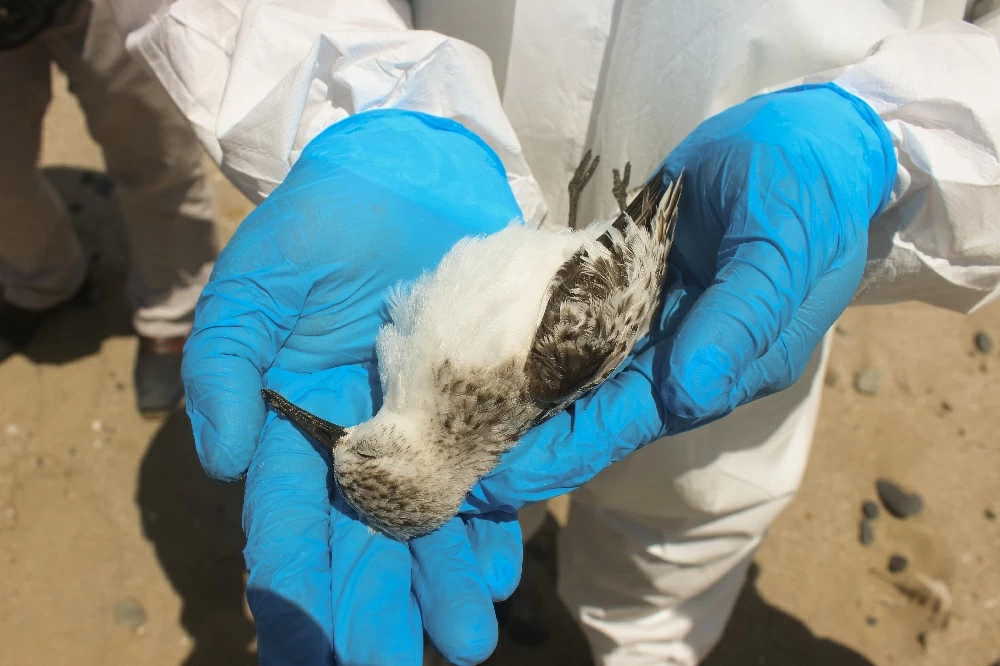
تواجه أستراليا تطورًا بيئيًا وصحيًا بالغ الخطورة بعد تسجيل أول حالة نفوق جماعي لطيور بحرية محلية؛ نتيجة إصابتها بالسلالة H5 من إنفلونزا الطيور، في حادثة رُصدت قرب كيب جافا بولاية جنوب أستراليا، وفق ما أعلنته الحكومة الاتحادية صباح اليوم.
وأكدت وزيرة الزراعة جولي كولينز أن الفحوص المخبرية التي أجرتها الوكالة الوطنية للعلوم أثبتت وجود الفايروس في الطيور النافقة والمريضة، ووصفت التطور بأنه «مثير للقلق بشدة»، مشيرة إلى أن البلاد يجب أن تتوقع انتشارًا أوسع وارتفاعًا في أعداد الطيور البرية المتضررة خلال الفترة المقبلة.
وتأتي هذه الحادثة في وقت تواصل فيه السلالة H5 تمددها في القارة، إذ ارتفع عدد الطيور المصابة أو المشتبه بإصابتها إلى أكثر من 62 حالة مؤكدة أو مرجّحة في عدة ولايات؛ بينها جنوب أستراليا، فيكتوريا، نيو ساوث ويلز، كوينزلاند، وغرب أستراليا؛ بحسب تحديثات وزارة الزراعة الأسترالية. ورغم ذلك، تؤكد السلطات أن قطاع الدواجن التجاري لا يزال خاليًا تمامًا من أي إصابة، وأن خطر انتقال الفايروس للبشر منخفض للغاية.
وتشير بيانات الطوارئ البيطرية إلى أن حادثة النفوق الجماعي الأخيرة شملت 49 طائرًا نافقًا و35 طائرًا مريضًا من نوع الخرشنة المتوجة الكبيرة، رُصدت بواسطة فرق المسح الجوي جنوب كيب جافا، في أول واقعة واسعة النطاق منذ وصول الفايروس إلى البرّ الأسترالي في يونيو الماضي.
وتعمل السلطات حالياً ضمن إطار الاستجابة الوطنية الطارئة، عبر تعزيز المراقبة البيئية، وتكثيف الفحوص المخبرية، وتفعيل خطط الأمن الحيوي، وسط تحذيرات من أن الفيروس قد يكون قد بدأ انتقالًا محليًا بين بعض الطيور البحرية في جنوب أستراليا.
Australia is facing a highly dangerous environmental and health development after the first case of mass mortality of local seabirds was recorded; as a result of infection with the H5 strain of avian influenza, in an incident observed near Cape Jaffa in South Australia, according to an announcement by the federal government this morning.
Agriculture Minister Julie Collins confirmed that laboratory tests conducted by the national science agency detected the virus in the dead and sick birds, describing the development as "extremely concerning," noting that the country should expect a wider spread and an increase in the number of affected wild birds in the coming period.
This incident comes at a time when the H5 strain continues to expand across the continent, with the number of infected or suspected birds rising to more than 62 confirmed or probable cases in several states; including South Australia, Victoria, New South Wales, Queensland, and Western Australia; according to updates from the Australian Department of Agriculture. Nevertheless, authorities confirm that the commercial poultry sector remains completely free of any infection, and the risk of the virus transmitting to humans is very low.
Emergency veterinary data indicates that the recent mass mortality incident involved 49 dead birds and 35 sick birds of the large crested tern species, observed by aerial survey teams south of Cape Jaffa, in the first large-scale incident since the virus reached Australian land last June.
Authorities are currently operating within the framework of the national emergency response, by enhancing environmental monitoring, intensifying laboratory testing, and activating biosecurity plans, amid warnings that the virus may have begun local transmission among some seabirds in South Australia.