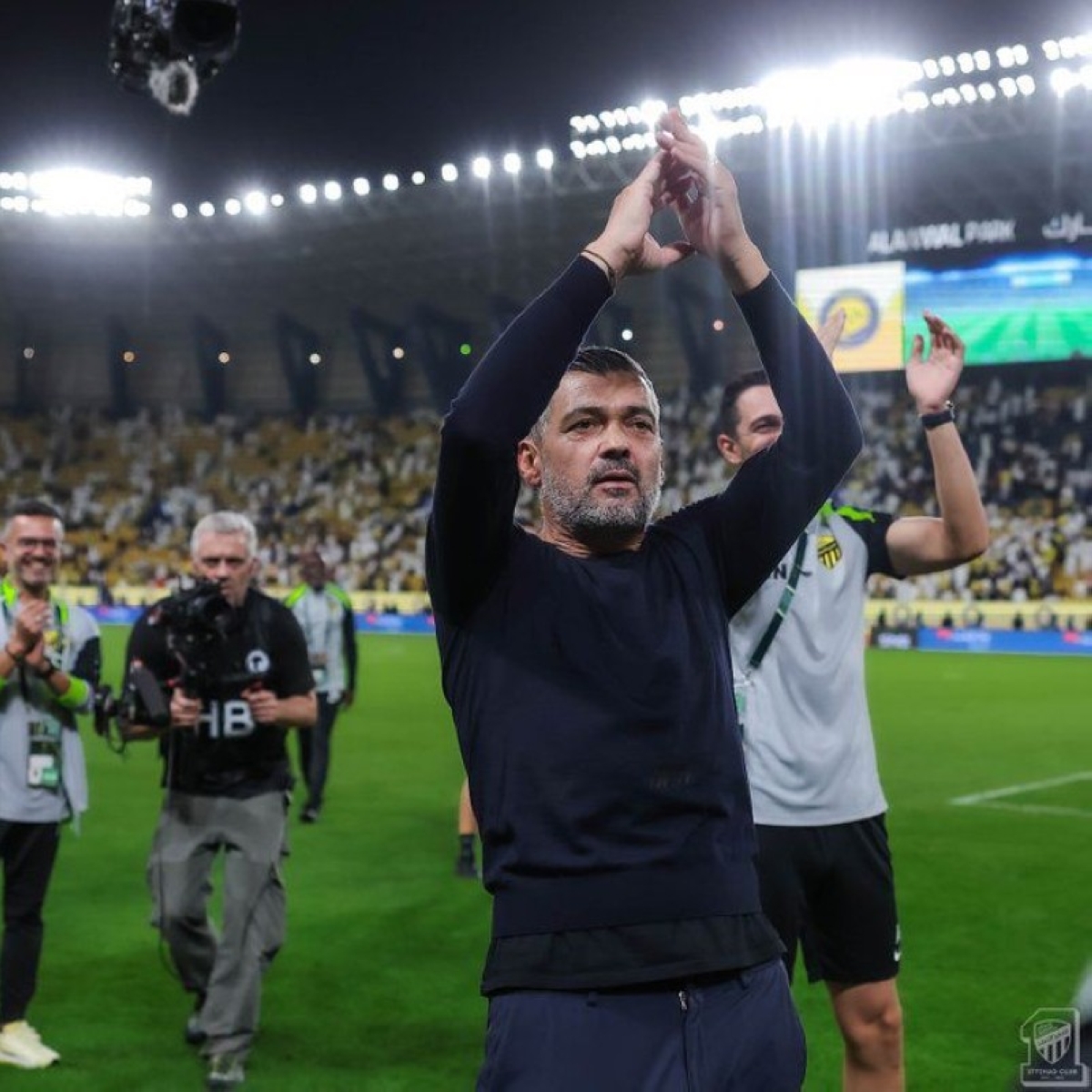
فصّل المحاضر الآسيوي في تدريب كرة القدم الدكتور يحيى جابر، أحداث مباراة النصر والاتحاد في دور الـ16 من بطولة كأس خادم الحرمين الشريفين التي انتهت بفوز الاتحاد بنتيجة 2-1 على ملعب «الأول بارك»، في مباراة شهدت خروج لاعب الاتحاد أحمد الجليدان بالبطاقة الحمراء، موضحاً أن الاتحاد كان الأفضل وفاز بجدارة في النواحي التكتيكية والحضور والحماس.
• توازن نفسي
١- بدأ الاتحاد المباراة بتركيز هجومي واضح، واستثمار المرتدّات بشكل جيد.
٢- الهدف المبكر منح الفريق توازناً نفسياً، ما ساعدهم على فرض أسلوبهم بشكل جيد.
٣- قبل خروج لاعب الفريق بالبطاقة الحمراء، نجح الاتحاد في تسجيل الهدف الثاني ما أعطى اللاعبين ميزة كبيرة قبل أن يُصبح الشوط الثاني صعباً.
• تماسك الاتحاد
وقال جابر: بعد خروج لاعب الاتحاد أحمد الجليدان بالبطاقة الحمراء، حقق مدرب الفريق كونسيساو ما يريده في جوانب ضبط الدفاع وتحويل الهجمات إلى أكثر ما تكون فعّالة، والتنظيم، واللعب الفردي والجماعي، بينما سيطر النصر في الشوط الثاني تحديداً إلى حد كبير، ولكن الاتحاد حافظ على التماسك، ونجح في إغلاق المساحات وتقليل الفرص التي صنعها النصر، ما يشير إلى تعليمات تكتيكية محكمة من المدرب كونسيساو. وأضاف: من الناحية الهجومية، الاتحاد لم يكتفِ فقط بالتراجع، بل استمرّ في محاولة استغلال الفرص، وهذا الإجراء مهم جداً حين يلعب أي فريق بعشرة لاعبين.
• إعداد النصر
١- بعد تعادل الفريق، بدأ يسيطر بإيقاع أعلى، وهذا كان متوقعاً.
٢- كان يجب استغلال النقص العددي للمنافس وبشكل أسرع وأكثر جرأة في التغييرات الهجومية.
• قوة وضعف الاتحاد
وقال جابر: كانت قوة الاتحاد في البداية السريعة، واستغلال الفرص، والتعامل مع الضغط بنجاح بعد الطرد، أما جانب الضعف فكان في تقدم الظهير الأيمن بشكل مبالغ فيه أحياناً، ما جعل الاتحاد يتعرض لهجمات عكسية سريعة من النصر، وخصوصاً عبر غابرييل وماني.
• قوة وضعف النصر
وأضاف: كانت قوة النصر في هيمنة الشوط الثاني، وعدد اللاعبين الأكثر، وإمكانات هجومية كبيرة، أما جانب الضعف فكان في عدم استثمار النقص العددي للمنافس، فيما كان استقبال هدفين في الشوط الأول، عبئاً، وتأثر منه الفريق مبكراً.
The Asian football training lecturer Dr. Yahya Jabir detailed the events of the Al-Nassr vs. Al-Ittihad match in the Round of 16 of the King’s Cup, which ended with Al-Ittihad winning 2-1 at the "First Park" stadium. The match saw Al-Ittihad player Ahmed Al-Jalaidan sent off with a red card, explaining that Al-Ittihad was the better team and won deservedly in terms of tactics, presence, and enthusiasm.
• Psychological Balance
1- Al-Ittihad started the match with clear attacking focus, effectively exploiting counter-attacks.
2- The early goal provided the team with psychological balance, helping them impose their style effectively.
3- Before the team's player was sent off with a red card, Al-Ittihad succeeded in scoring the second goal, giving the players a significant advantage before the second half became difficult.
• Al-Ittihad's Cohesion
Jabir said: After Al-Ittihad player Ahmed Al-Jalaidan was sent off with a red card, the team's coach, Konnissao, achieved what he wanted in terms of defensive control, converting attacks to be as effective as possible, organization, and both individual and collective play. While Al-Nassr dominated significantly in the second half, Al-Ittihad maintained their cohesion and succeeded in closing spaces and reducing the chances created by Al-Nassr, indicating precise tactical instructions from coach Konnissao. He added: From an attacking perspective, Al-Ittihad did not just retreat; they continued to try to exploit opportunities, which is very important when any team plays with ten players.
• Al-Nassr's Preparation
1- After the team equalized, they began to control the game with a higher tempo, which was expected.
2- They should have exploited the numerical advantage over the opponent more quickly and boldly in offensive changes.
• Strengths and Weaknesses of Al-Ittihad
Jabir said: Al-Ittihad's strength was in their quick start, exploiting opportunities, and successfully handling pressure after the red card. The weakness was in the right-back's excessive forward movement at times, which exposed Al-Ittihad to quick counter-attacks from Al-Nassr, especially through Gabriel and Mane.
• Strengths and Weaknesses of Al-Nassr
He added: Al-Nassr's strength was in their dominance in the second half, having more players, and significant attacking potential. The weakness was in not capitalizing on the opponent's numerical disadvantage, while conceding two goals in the first half was a burden that affected the team early on.