



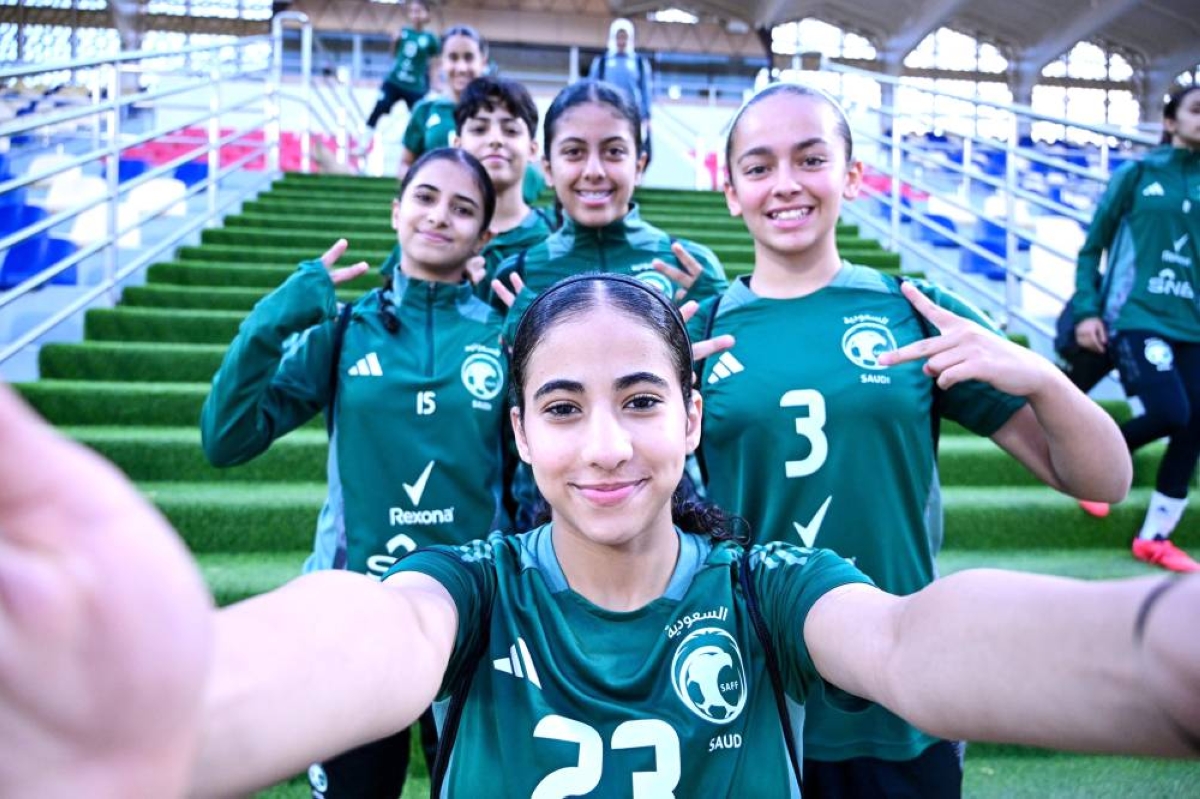

أوضحت الاخصائية الاجتماعية مروج محمد شاهيني لـ«عكاظ»، أن كرة القدم لا تقتصر على الركض وراء الكرة وتسجيل الأهداف، بل هي منظومة اجتماعية متكاملة تشكل فيها العلاقات الإنسانية والتفاعلات الجماعية عاملاً حاسماً في تطور اللاعبة وشعورها بالانتماء، وفي مرحلة الناشئات تتبلور لدى الفتاة ملامح شخصيتها وهويتها الاجتماعية والنفسية، ما يجعل تجربتها في محيط الفريق والنادي أكثر تأثيراً مما قد يبدو للوهلة الأولى.
وقالت إن كرة القدم النسائية شهدت، في السنوات الأخيرة، تطوراً ملحوظاً على مستوى العالم، وتزايد الاهتمام بها بشكل لافت في العالم العربي، ومع هذا التطور برزت فئة الناشئات مرحلةً حاسمةً في بناء قاعدة رياضية قوية لمستقبل واعد، إذ تعد هذه المرحلة العمرية (ما بين 12 و17 عاماً تقريباً) من أكثر المراحل قوة وتأثيراً في التكوين النفسي والاجتماعي للفتيات، وقد تواجه العديد من الناشئات تحديات داخلية تتعلق بالثقة بالنفس، والصورة الذاتية، والضغوط الاجتماعية والعائلية التي قد تؤثر على استمراريتهن في الرياضة.
وتابعت: «رغم أن التدريب البدني والمهاري مهم في البرامج الرياضية، إلا أن إغفال الجانب النفسي والاجتماعي قد يؤدي إلى خسارة مواهب واعدة في سن مبكرة، ومن هنا تبرز الحاجة إلى تسليط الضوء على الجوانب النفسية والاجتماعية المرتبطة بكرة قدم الناشئات، من أجل خلق بيئة آمنة ومحفزة تساعد فتياتنا على النمو المتوازن، رياضياً وإنسانياً، وتُمهد الطريق أمامهن ليصبحن نجمات الغد».
وأكدت أن التميز في كرة القدم لا يقاس فقط بالمهارات الفنية أو اللياقة البدنية، بل يتطلب الأمر توازناً دقيقاً في الصحة النفسية، التي تعد حجر الأساس لتطور اللاعبة وثقتها بنفسها واستمراريتها في الملاعب، إذ إن الفتيات في هذه المرحلة العمرية يمررن بتغيرات نفسية وجسدية كثيرة، ما يجعلهن أكثر عرضة للتقلبات المزاجية، والضغط، والقلق من الفشل، خصوصاً في بيئة رياضية تنافسية.
وأشارت الأخصائية مروج إلى أن من أبرز التحديات النفسية التي تواجه اللاعبات هو الخوف من الفشل، وقد يتعرضن للضغط لتحقيق أداء مثالي أو إثبات الجدارة مع زميلات الفريق، وهذا النوع من التوتر قد يؤدي إلى انخفاض الثقة بالنفس، بل قد يصل في بعض الحالات إلى الانسحاب من الرياضة، خصوصاً إذا لم يكن هناك دعم نفسي.
وأكدت أنه في ظل هذه الضغوط تبرز أهمية توفير الدعم النفسي من مختصين، يتمثل في وجود أخصائي اجتماعي ضمن طاقم التدريب، إذ إنه يساعد اللاعبات على التعامل مع القلق، وبناء المرونة الذهنية، وتنمية الذكاء العاطفي الذي يساعدهن في التعامل مع الانتصارات والهزائم بشكل ناضج ومتوازن، ولا ننسى دور الأسرة فهي تلعب دوراً محورياً في تشكيل التجربة الرياضية للناشئة كتشجيعها على التدريب، وحضور المباريات، وهذا يشعرها بالانتماء لنادٍ أو فريق، ويمنحها شعوراً بالفخر، ويعزز من ارتباطها باللعبة على المدى الطويل، وهنا يتبين بوضوح أن النجاح الرياضي لا يبنى فقط على المهارة والتدريب البدني، بل يعتمد بشكل جوهري على البيئة النفسية والاجتماعية المحيطة باللاعبة، فالدعم النفسي يعزز من ثقة الناشئة بنفسها، ويمكنها من تجاوز لحظات الإحباط والشك، بينما يسهم الاحتواء الاجتماعي في ترسيخ شعورها بالانتماء والقبول، ويمنحها دافعاً للاستمرار والنمو.
وخلصت الاخصائية مروج إلى القول: إن الاستثمار في كرة قدم الناشئات يجب أن يتجاوز الملاعب والمباريات، ليشمل برامج متكاملة تعتني بالصحة النفسية، وتبني الوعي الاجتماعي، فالمدرب، الأخصائي الاجتماعي، الأسرة، والمؤسسات التعليمية، جميعهم شركاء في هذه المهمة، فالنهوض بكرة قدم الناشئات ليس مجرد تطوير رياضي، بل هو استثمار في جيل كامل. فكل فتاة تجد مكانها في الملعب، وتمنح حقها في النمو النفسي والاجتماعي، فهي مشروع قائدة، لاعبة، وصاحبة أثر في مجتمعها.
الركيزة الخفيّة وراء النجاح.. شاهيني لـ«عكاظ»: الصحة النفسية أساس تطور اللاعبة
29 أغسطس 2025 - 00:45
|
آخر تحديث 29 أغسطس 2025 - 00:45


تابع قناة عكاظ على الواتساب
محمد داوود (جدة) @mdawood77
The social specialist Marouj Mohammed Shahini explained to "Okaz" that football is not just about running after the ball and scoring goals, but it is a complete social system where human relationships and collective interactions play a crucial role in the development of the player and her sense of belonging. In the youth stage, a girl's personality and social and psychological identity begin to take shape, making her experience within the team and club more impactful than it may seem at first glance.
She stated that women's football has witnessed significant development in recent years worldwide, with a noticeable increase in interest in the Arab world. With this development, the youth category has emerged as a critical stage in building a strong sports base for a promising future, as this age group (approximately between 12 and 17 years) is one of the most powerful and influential stages in the psychological and social formation of girls. Many young players may face internal challenges related to self-confidence, self-image, and social and familial pressures that may affect their continuity in sports.
She continued: "Although physical and skill training is important in sports programs, neglecting the psychological and social aspects can lead to the loss of promising talents at an early age. Hence, there is a need to highlight the psychological and social aspects related to youth football, in order to create a safe and motivating environment that helps our girls grow in a balanced manner, both athletically and personally, and paves the way for them to become the stars of tomorrow."
She emphasized that excellence in football is not measured solely by technical skills or physical fitness, but requires a delicate balance in mental health, which is the cornerstone for the player's development, self-confidence, and continuity on the field. Girls at this age undergo many psychological and physical changes, making them more susceptible to mood swings, pressure, and anxiety about failure, especially in a competitive sports environment.
Specialist Marouj pointed out that one of the most prominent psychological challenges facing female players is the fear of failure, and they may experience pressure to achieve ideal performance or prove their worth among teammates. This type of stress can lead to decreased self-confidence and, in some cases, withdrawal from sports, especially if there is no psychological support.
She confirmed that amid these pressures, the importance of providing psychological support from specialists becomes evident, which includes having a social specialist within the coaching staff. This helps players deal with anxiety, build mental resilience, and develop emotional intelligence that aids them in handling victories and defeats in a mature and balanced manner. We must not forget the role of the family, as it plays a pivotal role in shaping the sports experience for the youth by encouraging them to train and attend matches, which makes them feel a sense of belonging to a club or team, instills a sense of pride, and strengthens their connection to the game in the long term. Here, it becomes clear that athletic success is not built solely on skill and physical training but fundamentally relies on the psychological and social environment surrounding the player. Psychological support enhances the youth's self-confidence and enables them to overcome moments of frustration and doubt, while social inclusion reinforces their sense of belonging and acceptance, providing them with motivation to continue and grow.
Specialist Marouj concluded by stating that investment in youth football should go beyond the fields and matches to include comprehensive programs that care for mental health and build social awareness. The coach, social specialist, family, and educational institutions are all partners in this mission. Advancing youth football is not just about sports development; it is an investment in an entire generation. Every girl who finds her place on the field and is granted her right to psychological and social growth is a project of a leader, player, and influencer in her community.
She stated that women's football has witnessed significant development in recent years worldwide, with a noticeable increase in interest in the Arab world. With this development, the youth category has emerged as a critical stage in building a strong sports base for a promising future, as this age group (approximately between 12 and 17 years) is one of the most powerful and influential stages in the psychological and social formation of girls. Many young players may face internal challenges related to self-confidence, self-image, and social and familial pressures that may affect their continuity in sports.
She continued: "Although physical and skill training is important in sports programs, neglecting the psychological and social aspects can lead to the loss of promising talents at an early age. Hence, there is a need to highlight the psychological and social aspects related to youth football, in order to create a safe and motivating environment that helps our girls grow in a balanced manner, both athletically and personally, and paves the way for them to become the stars of tomorrow."
She emphasized that excellence in football is not measured solely by technical skills or physical fitness, but requires a delicate balance in mental health, which is the cornerstone for the player's development, self-confidence, and continuity on the field. Girls at this age undergo many psychological and physical changes, making them more susceptible to mood swings, pressure, and anxiety about failure, especially in a competitive sports environment.
Specialist Marouj pointed out that one of the most prominent psychological challenges facing female players is the fear of failure, and they may experience pressure to achieve ideal performance or prove their worth among teammates. This type of stress can lead to decreased self-confidence and, in some cases, withdrawal from sports, especially if there is no psychological support.
She confirmed that amid these pressures, the importance of providing psychological support from specialists becomes evident, which includes having a social specialist within the coaching staff. This helps players deal with anxiety, build mental resilience, and develop emotional intelligence that aids them in handling victories and defeats in a mature and balanced manner. We must not forget the role of the family, as it plays a pivotal role in shaping the sports experience for the youth by encouraging them to train and attend matches, which makes them feel a sense of belonging to a club or team, instills a sense of pride, and strengthens their connection to the game in the long term. Here, it becomes clear that athletic success is not built solely on skill and physical training but fundamentally relies on the psychological and social environment surrounding the player. Psychological support enhances the youth's self-confidence and enables them to overcome moments of frustration and doubt, while social inclusion reinforces their sense of belonging and acceptance, providing them with motivation to continue and grow.
Specialist Marouj concluded by stating that investment in youth football should go beyond the fields and matches to include comprehensive programs that care for mental health and build social awareness. The coach, social specialist, family, and educational institutions are all partners in this mission. Advancing youth football is not just about sports development; it is an investment in an entire generation. Every girl who finds her place on the field and is granted her right to psychological and social growth is a project of a leader, player, and influencer in her community.


