


من بداية بسيطة على أجهزة بدائية في نهايات السبعينات إلى ملاعب رقمية يشهدها الملايين ويتنافس فيها نخبة المحترفين حول العالم، حيث قطعت الألعاب الإلكترونية رحلة مذهلة تحوّلت فيها من وسيلة ترفيه فردية إلى صناعة عملاقة تُنتج مليارات الدولارات سنوياً، وتحظى باعتراف دولي ورياضي وثقافي، وصولاً إلى تنظيم بطولات عالمية تُقام لها احتفالات رسمية وتُخصّص لها جوائز كبرى، مثل «كأس العالم للرياضات الإلكترونية».
وبدأت الحكاية بشاشات بسيطة وأفكار عبقرية، حين ظهرت الألعاب الإلكترونية تجارياً لأول مرة في مطلع السبعينات، وكانت لعبة «Pong» من أوائل التجارب الناجحة، التي مهّدت الطريق لجيل جديد من الترفيه المنزلي، ومع التقدّم السريع في تقنيات الحوسبة بدأت منصات مثل «Nintendo»، و«Sega»، و«Atari» تطرح مفاهيم جديدة، لتحوّل الألعاب من مجرد تجربة بصرية إلى بيئة تفاعلية قائمة على التحدي، والخيال، والذكاء.
وتنوّعت الألعاب الإلكترونية مع مرور الوقت بحسب طبيعتها وأسلوب اللعب ووظيفتها، ولم تعد مجرد تسلية، بل أصبحت وسيلة لتفريغ الطاقات وصقل المهارات الذهنية، وظهرت ألعاب القتال مثل Street Fighter وTekken، إلى جانب ألعاب التصويب مثل Call of Duty وValorant، ثم انتشرت ألعاب الرياضة مثل FIFA وNBA 2K، ولاحقاً تعمّق اللاعبون في عوالم ألعاب تقمّص الأدوار مثل Final Fantasy وThe Witcher، كما فرضت ألعاب الإستراتيجية مثل Age of Empires حضورها، فيما أبهرت ألعاب العالم المفتوح والمحاكاة مثل Minecraft وGrand Theft Auto اللاعبين بإمكاناتها اللامحدودة، قبل أن تفرض ألعاب الجوال مكانتها كأحد أكثر قطاعات السوق نمواً وانتشاراً على مستوى العالم.
هذا التنوع لم يُثر فقط اهتمام المستخدمين، بل جذب شركات تقنية كبرى، وفتح الباب أمام ابتكار اقتصادي واسع النطاق، شكّل نواة لصناعة رقمية عالمية ضخمة.
وبحلول الألفية الجديدة، ومع انتشار الإنترنت عالي السرعة، بدأت تظهر مسابقات تنافسية بين اللاعبين، وتطورت لاحقاً إلى بطولات احترافية تُبث مباشرة عبر منصات رقمية ويتابعها ملايين المشاهدين.
ومع ظهور منظمات مثل ESL، وMLG، وLCS أصبح هناك تصنيف عالمي للاعبين، ونشأت بيئة احترافية حقيقية تُمنح فيها عقود ورعاية ورواتب، وتُبرم فيها صفقات انتقال بين الفرق.
وجاء التحول الأهم حين بدأ الاعتراف الرسمي بالرياضات الإلكترونية كمسابقات عالمية تُنظّم لها بطولات قارية، وتُدرج ضمن برامج التظاهرات الرياضية الكبرى، حتى ظهرت في عام 2024 النسخة الأولى من «كأس العالم للرياضات الإلكترونية»، التي أطلقها ولي العهد رئيس مجلس الوزراء الأمير محمد بن سلمان، وذلك خلال «مؤتمر الرياضة العالمية الجديدة»، الذي استضافته المملكة خلال شهر أكتوبر عام 2023، لتكون البطولة الحدث الأكبر من نوعه على مستوى العالم، وتنظمها المملكة في الرياض سنوياً ابتداءً من صيف العام 2024، لتشكل منصة مهمة تسهم في الارتقاء بقطاع الألعاب والرياضات الإلكترونية، الذي يشهد نمواً متزايداً، وترسخ مكانة المملكة كوجهة رائدة لأبرز المنافسات الرياضية والعالمية، وتُسجّل لحظة فارقة في تاريخ هذا القطاع المتسارع، إذ لم تقف هذه الجهود عند هذا الحد بل استمرت وصولاً لصياغة حضور إستراتيجي فاعل، انطلاقاً من قناعة بأن صناعة الألعاب لم تعد مجرد ترفيه، بل أصبحت جزءاً من مكونات الثقافة والاقتصاد والتأثير الدولي.
وباتت الرياضات الإلكترونية ركيزة من ركائز الاستثمار الثقافي، والرياضي، والتقني، من خلال الاتحاد السعودي للرياضات الإلكترونية، وبدعم من برامج رؤية المملكة 2030، لتسعى المملكة من خلالها إلى تنويع اقتصادها، وتمكين شبابها، وبناء مستقبل قائم على الابتكار الرقمي.
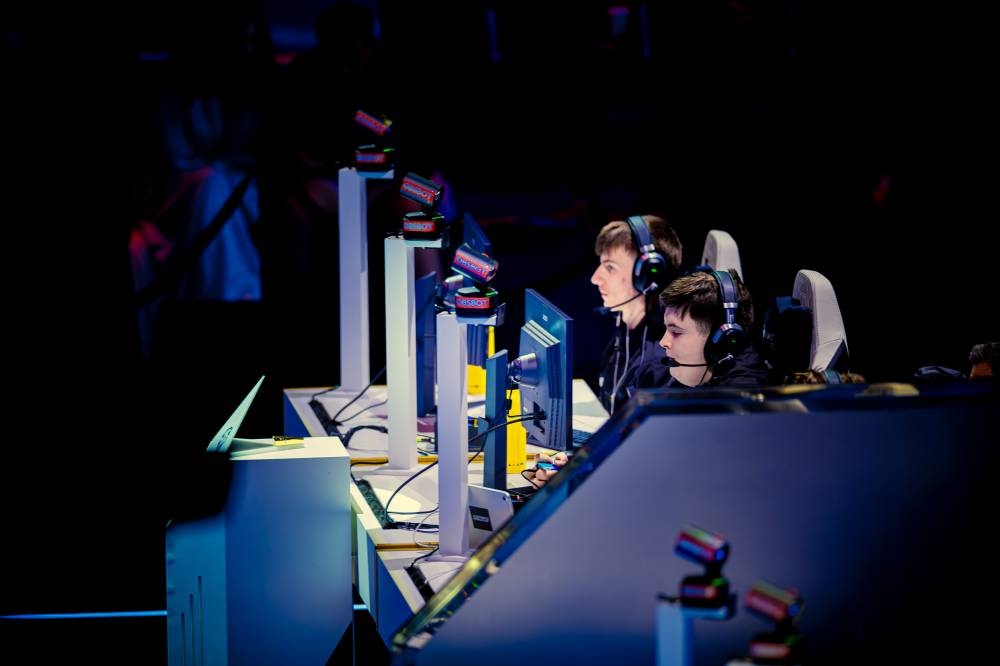
وتُجسّد هذه الرؤية اليوم من خلال تنظيم وإقامة المملكة النسخة الثانية من البطولة العالمية (كأس العالم للرياضات الإلكترونية 2025)، في بوليفارد رياض سيتي، في حدث عالمي يضم مشجّعين من مختلف أنحاء العالم، ويجمع قرابة (2000) لاعب محترف، و(200) نادٍ من أكثر من (100) دولة، يتنافسون في أكثر من (24) لعبة إلكترونية، للفوز بجوائز مالية تتجاوز (70) مليون دولار، وهي أعلى قيمة جوائز في تاريخ الرياضات الإلكترونية.
وامتدت المشاركة السعودية إلى تطوير اللاعبين السعوديين، ودعم الشركات الناشئة في مجال تطوير الألعاب، وإنشاء أكاديميات تدريبية ومسارات مهنية في مجالات البث، التحكيم، البرمجة، الإدارة الرقمية، وحتى التصميم البصري.
وتؤكد تقارير شركة Newzoo، المتخصصة بتحليلات سوق الألعاب الإلكترونية، أن إيرادات هذه الصناعة قد تجاوزت (180) مليار دولار في عام 2024، متفوقة بذلك على صناعتَي الموسيقى والسينما مجتمعتين، وباتت البطولات تُباع لها التذاكر، وتُبرم فيها شراكات ورعايات كبرى، وتحولت إلى بيئة اقتصادية مكتملة الأركان.
وتشكّل الألعاب الإلكترونية اليوم جزءاً من الثقافة الحديثة، ومنصة للتعبير، ومجالاً وظيفياً مفتوحاً لجيل المستقبل، بل إن الدول باتت تتنافس على حضورها في هذا السوق العالمي، والمملكة تضع نفسها في طليعة هذه المنافسة، لا كمستضيف فقط، بل كمصنع للفرص، ومحفّز للابتكار، وقائد إقليمي في بناء صناعة متكاملة ترتكز على الشغف والمعرفة.
وتحولت الألعاب الإلكترونية إلى جانب الترفيه لمنظومة اقتصادية، ثقافية، إبداعية متكاملة وبآفاق لا حدود لها، لتبرز المملكة كمركز دولي يحتضن التغيير، ويقود الطموح، ويُعيد تعريف مستقبل الألعاب، والرياضة، والترفيه، بلغة يفهمها العالم، ويلعب بها الجيل القادم.
من الهواية إلى العالمية.. كيف تحوّلت الألعاب الإلكترونية إلى صناعة كبرى في السعودية؟
11 يوليو 2025 - 22:12
|
آخر تحديث 11 يوليو 2025 - 22:12


تابع قناة عكاظ على الواتساب
«عكاظ» (جدة)
From a simple beginning on primitive devices in the late 1970s to digital arenas witnessed by millions and competed in by elite professionals around the world, electronic games have taken an astonishing journey, transforming from an individual entertainment medium into a giant industry that generates billions of dollars annually, receiving international, athletic, and cultural recognition, culminating in the organization of global tournaments that hold official celebrations and offer major prizes, such as the "World Cup of Esports."
The story began with simple screens and brilliant ideas when electronic games first appeared commercially in the early 1970s, with "Pong" being one of the earliest successful experiments that paved the way for a new generation of home entertainment. With the rapid advancement in computing technologies, platforms like "Nintendo," "Sega," and "Atari" introduced new concepts, transforming games from mere visual experiences into interactive environments based on challenge, imagination, and intelligence.
Over time, electronic games diversified according to their nature, gameplay style, and function. They became more than just entertainment; they evolved into a means of channeling energy and honing mental skills. Fighting games like Street Fighter and Tekken emerged, alongside shooting games like Call of Duty and Valorant. Sports games like FIFA and NBA 2K gained popularity, and players later delved into role-playing game worlds like Final Fantasy and The Witcher. Strategy games like Age of Empires made their mark, while open-world and simulation games like Minecraft and Grand Theft Auto amazed players with their limitless possibilities. Eventually, mobile games established themselves as one of the fastest-growing and most widespread sectors in the global market.
This diversity not only sparked user interest but also attracted major tech companies, opening the door to widespread economic innovation, forming the nucleus of a massive global digital industry.
By the turn of the millennium, with the spread of high-speed internet, competitive tournaments began to emerge among players, which later evolved into professional championships broadcast live through digital platforms, attracting millions of viewers.
With the emergence of organizations like ESL, MLG, and LCS, a global ranking system for players was established, creating a genuine professional environment where contracts, sponsorships, and salaries were awarded, and transfer deals between teams were made.
The most significant transformation came when esports began to receive official recognition as global competitions, with continental tournaments organized for them, and they were included in major sporting event programs. In 2024, the first edition of the "World Cup of Esports" was launched by Crown Prince and Prime Minister Mohammed bin Salman during the "New Global Sports Conference," hosted by the Kingdom in October 2023. This championship became the largest event of its kind in the world, organized annually by the Kingdom in Riyadh starting from the summer of 2024, serving as an important platform that contributes to the advancement of the gaming and esports sector, which is experiencing increasing growth, and solidifying the Kingdom's position as a leading destination for major sports and global competitions. This marks a pivotal moment in the history of this rapidly evolving sector, as these efforts did not stop there but continued to shape an effective strategic presence, stemming from the conviction that the gaming industry is no longer just entertainment but has become part of the components of culture, economy, and international influence.
Esports have become a cornerstone of cultural, athletic, and technological investment through the Saudi Arabian Federation for Electronic Sports, supported by the Vision 2030 programs, through which the Kingdom aims to diversify its economy, empower its youth, and build a future based on digital innovation.
This vision is now embodied in the organization and hosting of the second edition of the global championship (World Cup of Esports 2025) in Riyadh Boulevard, in a global event that includes fans from around the world and gathers nearly 2,000 professional players and 200 clubs from over 100 countries, competing in more than 24 electronic games for cash prizes exceeding 70 million dollars, the highest prize pool in the history of esports.
Saudi participation has extended to developing Saudi players, supporting startups in game development, and establishing training academies and career paths in broadcasting, refereeing, programming, digital management, and even visual design.
Reports from Newzoo, a company specializing in gaming market analysis, confirm that the revenues of this industry exceeded 180 billion dollars in 2024, surpassing the combined revenues of the music and film industries. Tournaments are now selling tickets, forming major partnerships and sponsorships, and have transformed into a fully-fledged economic environment.
Today, electronic games are part of modern culture, a platform for expression, and an open career field for the future generation. Countries are now competing for their presence in this global market, and the Kingdom positions itself at the forefront of this competition, not just as a host but as a creator of opportunities, a catalyst for innovation, and a regional leader in building a comprehensive industry based on passion and knowledge.
Electronic games have transformed, alongside entertainment, into a comprehensive economic, cultural, and creative system with limitless horizons, highlighting the Kingdom as an international center that embraces change, leads ambition, and redefines the future of gaming, sports, and entertainment in a language understood by the world and played by the next generation.
The story began with simple screens and brilliant ideas when electronic games first appeared commercially in the early 1970s, with "Pong" being one of the earliest successful experiments that paved the way for a new generation of home entertainment. With the rapid advancement in computing technologies, platforms like "Nintendo," "Sega," and "Atari" introduced new concepts, transforming games from mere visual experiences into interactive environments based on challenge, imagination, and intelligence.
Over time, electronic games diversified according to their nature, gameplay style, and function. They became more than just entertainment; they evolved into a means of channeling energy and honing mental skills. Fighting games like Street Fighter and Tekken emerged, alongside shooting games like Call of Duty and Valorant. Sports games like FIFA and NBA 2K gained popularity, and players later delved into role-playing game worlds like Final Fantasy and The Witcher. Strategy games like Age of Empires made their mark, while open-world and simulation games like Minecraft and Grand Theft Auto amazed players with their limitless possibilities. Eventually, mobile games established themselves as one of the fastest-growing and most widespread sectors in the global market.
This diversity not only sparked user interest but also attracted major tech companies, opening the door to widespread economic innovation, forming the nucleus of a massive global digital industry.
By the turn of the millennium, with the spread of high-speed internet, competitive tournaments began to emerge among players, which later evolved into professional championships broadcast live through digital platforms, attracting millions of viewers.
With the emergence of organizations like ESL, MLG, and LCS, a global ranking system for players was established, creating a genuine professional environment where contracts, sponsorships, and salaries were awarded, and transfer deals between teams were made.
The most significant transformation came when esports began to receive official recognition as global competitions, with continental tournaments organized for them, and they were included in major sporting event programs. In 2024, the first edition of the "World Cup of Esports" was launched by Crown Prince and Prime Minister Mohammed bin Salman during the "New Global Sports Conference," hosted by the Kingdom in October 2023. This championship became the largest event of its kind in the world, organized annually by the Kingdom in Riyadh starting from the summer of 2024, serving as an important platform that contributes to the advancement of the gaming and esports sector, which is experiencing increasing growth, and solidifying the Kingdom's position as a leading destination for major sports and global competitions. This marks a pivotal moment in the history of this rapidly evolving sector, as these efforts did not stop there but continued to shape an effective strategic presence, stemming from the conviction that the gaming industry is no longer just entertainment but has become part of the components of culture, economy, and international influence.
Esports have become a cornerstone of cultural, athletic, and technological investment through the Saudi Arabian Federation for Electronic Sports, supported by the Vision 2030 programs, through which the Kingdom aims to diversify its economy, empower its youth, and build a future based on digital innovation.
This vision is now embodied in the organization and hosting of the second edition of the global championship (World Cup of Esports 2025) in Riyadh Boulevard, in a global event that includes fans from around the world and gathers nearly 2,000 professional players and 200 clubs from over 100 countries, competing in more than 24 electronic games for cash prizes exceeding 70 million dollars, the highest prize pool in the history of esports.
Saudi participation has extended to developing Saudi players, supporting startups in game development, and establishing training academies and career paths in broadcasting, refereeing, programming, digital management, and even visual design.
Reports from Newzoo, a company specializing in gaming market analysis, confirm that the revenues of this industry exceeded 180 billion dollars in 2024, surpassing the combined revenues of the music and film industries. Tournaments are now selling tickets, forming major partnerships and sponsorships, and have transformed into a fully-fledged economic environment.
Today, electronic games are part of modern culture, a platform for expression, and an open career field for the future generation. Countries are now competing for their presence in this global market, and the Kingdom positions itself at the forefront of this competition, not just as a host but as a creator of opportunities, a catalyst for innovation, and a regional leader in building a comprehensive industry based on passion and knowledge.
Electronic games have transformed, alongside entertainment, into a comprehensive economic, cultural, and creative system with limitless horizons, highlighting the Kingdom as an international center that embraces change, leads ambition, and redefines the future of gaming, sports, and entertainment in a language understood by the world and played by the next generation.


