


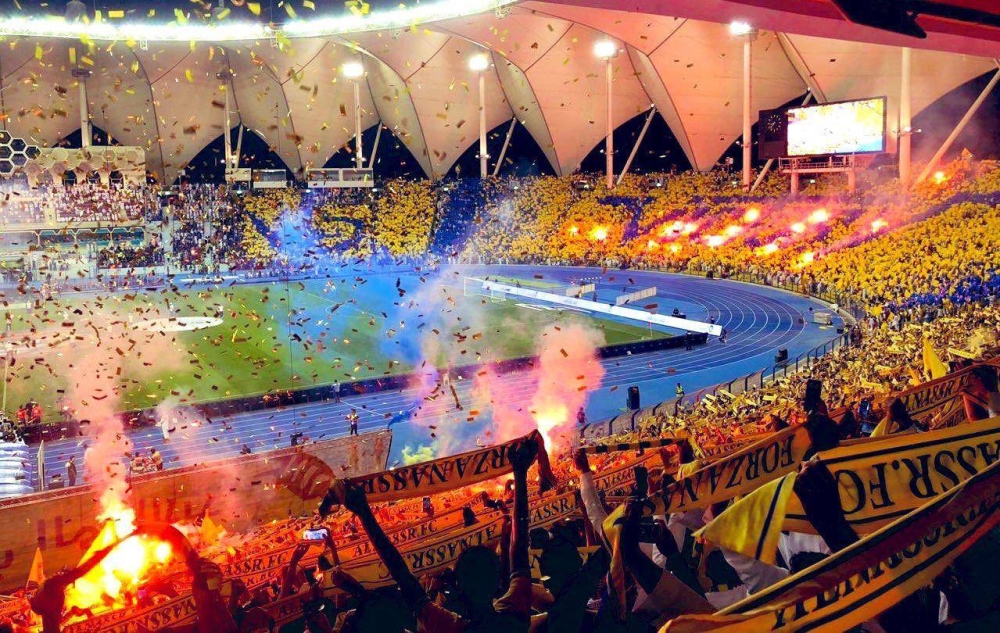
في مشهد يُعيد تعريف العلاقة بين الجمهور ومراكز القرار، بدأت جماهير نادي النصر تفتح ملفات مسكوتاً عنها طويلاً، تتعلق بجوهر الانتماء وهويّة من يشغلون مواقع التأثير داخل النادي. لم تعد الأسئلة محصورة في حدود النتائج أو الأداء الفني، بل اتجهت نحو جذور الثقة ومعايير الولاء، بعد أن تكشّفت ارتباطات قديمة لبعض أعضاء الشركة الربحية تُظهر ميولاً صريحة تجاه أندية منافسة، وهو ما فجّر حالة وعي جديدة تتجاوز اللحظة الآنية نحو سؤال أكبر: من يمثّل النصر فعلاً؟
وتحوّلت الوسوم النصراوية في منصات التواصل إلى ما يشبه العريضة المفتوحة، بعد أن تداول أنصار النادي تغريدات وصوراً تعود لعدد من الشخصيات المرتبطة بالشركة الربحية، تكشف عن ارتباطات قديمة مع أندية منافسة. هذه الوقائع لم تمر بصمت، بل رُبطت مباشرة بالسياق الإداري والفني الذي يعيشه الفريق، وزادت من حدة المطالبة بإعادة هيكلة المنظومة التنفيذية.
المطالب الجماهيرية لم تكن بمعزل عن أصوات وازنة داخل البيت النصراوي، إذ وجّه الأمير عبدالحكيم بن مساعد رسالة واضحة تؤكد أن الولاء للنادي ليس خياراً جانبياً، بل ركيزة في صناعة القرار. وذهب طلال الرشيد إلى أبعد من ذلك، مشدداً على أن النصر مقبل على أزمة حقيقية إنْ استمرت الشخصيات غير المتجذرة في كيان النادي داخل مواقع النفوذ الإداري.
يرى أستاذ علم الاجتماع عبدالله البقعاوي أن «مشاعر الامتلاك الرمزي للنادي تجعل الجماهير تتعامل مع الإدارة باعتبارها ممثلة للهوية الجمعية، لا مجرد مشغّل أو صاحب قرار»، ويضيف: «حين يكتشف الجمهور أن من يتخذ القرار لا يحمل شعوره أو تاريخه أو حتى شعاره، فإن حالة الرفض تتجاوز رد الفعل، وتتحول إلى موقف اجتماعي واسع».
أما الأخصائي النفسي ماجد الطريفي، فيؤكد أن «الارتباط العاطفي بالنادي يتجاوز الترفيه ويشكّل امتداداً لهوية الفرد، ولذلك فإن انكشاف ميول مضادة داخل المنظومة يولّد شعوراً بالخذلان والانفصال»، ويضيف: «الثقة لا تُبنى على الكفاءة فقط، بل على التماهي الوجداني بين الجمهور والقيادة».
في الأندية الجماهيرية، الانتماء لا يُشترى ولا يُستعار، بل يُصنع من المواقف، ويُثبت بالقرارات، ويُكرّس بالعطاء.
أكدوا أن هناك فجوة ثقة.. خبراء الاجتماع والنفس لـ«عكاظ»:
هل يُعقل أن يقود النصر من شجّع خصومه؟
16 يونيو 2025 - 22:59
|
آخر تحديث 16 يونيو 2025 - 22:59


تابع قناة عكاظ على الواتساب
متعب العواد (حائل) motabalawwd@
In a scene that redefines the relationship between the public and decision-making centers, the fans of Al-Nassr Club have begun to open long-silenced files related to the essence of belonging and the identity of those who hold influential positions within the club. Questions are no longer confined to the limits of results or technical performance; instead, they have shifted towards the roots of trust and loyalty criteria, after old connections of some members of the profit-making company revealed explicit leanings towards rival clubs, which has sparked a new awareness that transcends the immediate moment towards a larger question: Who truly represents Al-Nassr?
The hashtags related to Al-Nassr on social media have turned into what resembles an open petition, after the club's supporters circulated tweets and images of several figures associated with the profit-making company, revealing old ties with rival clubs. These facts did not go unnoticed; rather, they were directly linked to the administrative and technical context the team is experiencing, intensifying calls for a restructuring of the executive system.
The fans' demands were not isolated from influential voices within the Al-Nassr family, as Prince Abdulhakim bin Musaid sent a clear message affirming that loyalty to the club is not a secondary option, but a cornerstone in decision-making. Talal Al-Rashed went even further, emphasizing that Al-Nassr is heading towards a real crisis if non-rooted figures within the club remain in positions of administrative influence.
Sociology professor Abdullah Al-Buqai believes that "the feelings of symbolic ownership of the club make fans deal with the administration as representatives of the collective identity, not merely as operators or decision-makers," adding, "When the public discovers that those making decisions do not carry their feelings, history, or even their emblem, the state of rejection transcends mere reaction and transforms into a broad social stance."
Meanwhile, psychologist Majid Al-Turaifi confirms that "the emotional attachment to the club goes beyond entertainment and forms an extension of the individual's identity; therefore, the revelation of opposing inclinations within the system generates feelings of betrayal and disconnection," adding, "Trust is not built solely on competence, but on the emotional alignment between the public and the leadership."
In popular clubs, belonging cannot be bought or borrowed; it is created through stances, affirmed by decisions, and solidified through contributions.
The hashtags related to Al-Nassr on social media have turned into what resembles an open petition, after the club's supporters circulated tweets and images of several figures associated with the profit-making company, revealing old ties with rival clubs. These facts did not go unnoticed; rather, they were directly linked to the administrative and technical context the team is experiencing, intensifying calls for a restructuring of the executive system.
The fans' demands were not isolated from influential voices within the Al-Nassr family, as Prince Abdulhakim bin Musaid sent a clear message affirming that loyalty to the club is not a secondary option, but a cornerstone in decision-making. Talal Al-Rashed went even further, emphasizing that Al-Nassr is heading towards a real crisis if non-rooted figures within the club remain in positions of administrative influence.
Sociology professor Abdullah Al-Buqai believes that "the feelings of symbolic ownership of the club make fans deal with the administration as representatives of the collective identity, not merely as operators or decision-makers," adding, "When the public discovers that those making decisions do not carry their feelings, history, or even their emblem, the state of rejection transcends mere reaction and transforms into a broad social stance."
Meanwhile, psychologist Majid Al-Turaifi confirms that "the emotional attachment to the club goes beyond entertainment and forms an extension of the individual's identity; therefore, the revelation of opposing inclinations within the system generates feelings of betrayal and disconnection," adding, "Trust is not built solely on competence, but on the emotional alignment between the public and the leadership."
In popular clubs, belonging cannot be bought or borrowed; it is created through stances, affirmed by decisions, and solidified through contributions.


