


في يومها العالمي الأول، الذي يصادف 25 مايو، تتجاوز المستطيلات الخضراء حدود الرياضة لتصبح مساحة للسلام، ومنصة للتنمية، وجسراً يصل بين الشعوب والثقافات، ومن أحياء المدن إلى قاعات الأمم المتحدة، ومن هتاف الجماهير إلى نصوص القرارات الدولية، تفرض كرة القدم حضورها كلاعب عالمي يُحرّك العاطفة، ويُحرّك الاقتصاد، ويصنع التاريخ.
وفي قلب هذا المشهد، تقف السعودية شاهداً على تحوّل اللعبة من شغف شعبي إلى قوة تنموية حقيقية، بدأت قبل قرن في جدة، وتمتد اليوم نحو استضافة كأس العالم 2034.
اقتصاد عالمي
منذ انطلاقها كنشاط شعبي في الأحياء والمدارس تحوّلت كرة القدم إلى صناعة عالمية عملاقة تدرّ مئات المليارات سنوياً.
بحسب تقرير Deloitte Football Money League، بلغت إيرادات الأندية الأوروبية الكبرى وحدها أكثر من 30 مليار دولار في عام 2023، فيما تقترب القيمة السوقية للاقتصاد الكروي العالمي من 600 مليار دولار، تتوزع بين حقوق بث، رعاية، تذاكر، رخص تجارية، ومنصات رقمية.
في مونديال قطر 2022، تجاوزت إيرادات الفيفا 7.5 مليار دولار، وهو رقم تاريخي غير مسبوق، يؤكد أن كرة القدم باتت أحد أعمدة الاقتصاد الترفيهي العالمي.
الشغف يبدأ من جدة
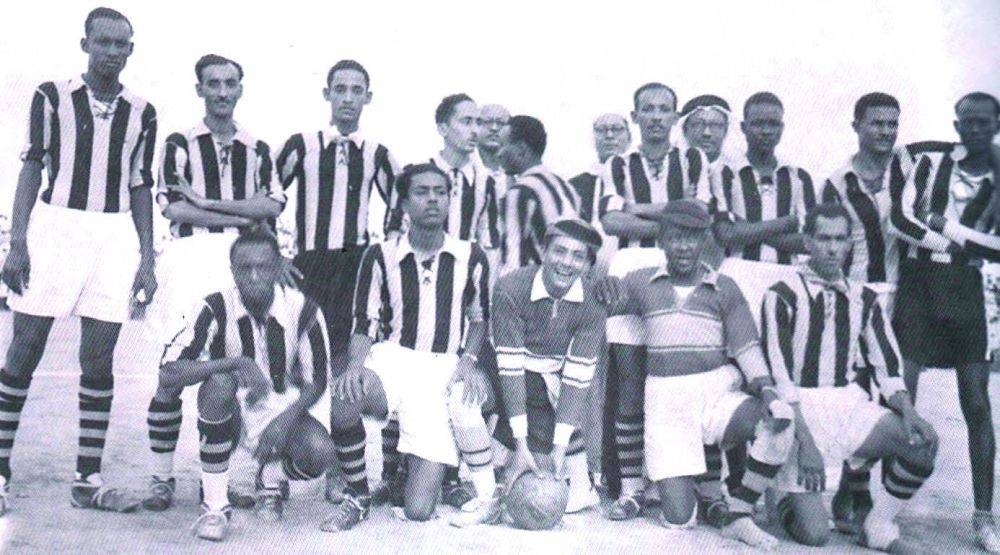
تعود بداية كرة القدم في السعودية إلى ما يزيد على قرن من الزمان، وتحديداً في مدينة جدة مع تأسيس نادي الاتحاد عام 1927، الذي يُعد أقدم نادٍ سعودي.
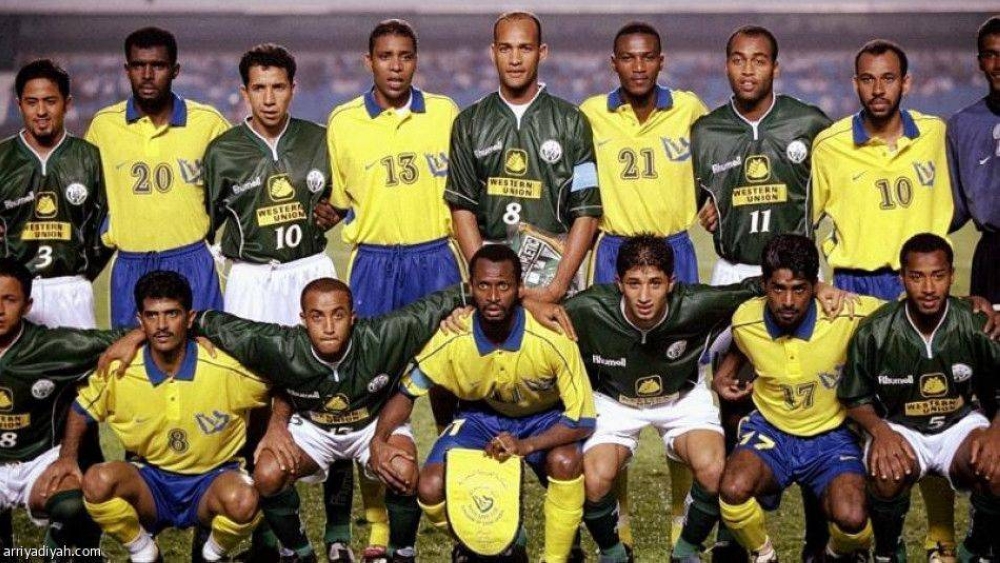
منذ ذلك الوقت، تحوّلت اللعبة إلى وجدان شعبي ومكوّن من الهوية الوطنية، ليظهر بعدها جيل الأندية الكبرى، وفي مقدمتها نادي النصر، الذي دخل التاريخ عام 2000 كأول نادٍ سعودي وآسيوي يمثل القارة في بطولة كأس العالم للأندية في البرازيل، في إنجاز مهد الطريق لاحقاً لمشاركة الاتحاد والهلال ثم الأهلي.
من هواية إلى صناعة
شهد الدوري السعودي للمحترفين خلال العقد الأخير قفزة هائلة من حيث التنظيم والاستثمار والنقل التلفزيوني، وصولاً إلى الاستقطاب النوعي لأبرز نجوم العالم، وعلى رأسهم كريستيانو رونالدو، كريم بنزيما، ونغولو كانتي، وساديو ماني.
في موسم 2023-2024، تجاوز حجم إنفاق الأندية السعودية في سوق الانتقالات 900 مليون يورو، ما جعلها في المرتبة الثانية عالمياً بعد الدوري الإنجليزي، وفق تقرير FIFA Global Transfer Report.
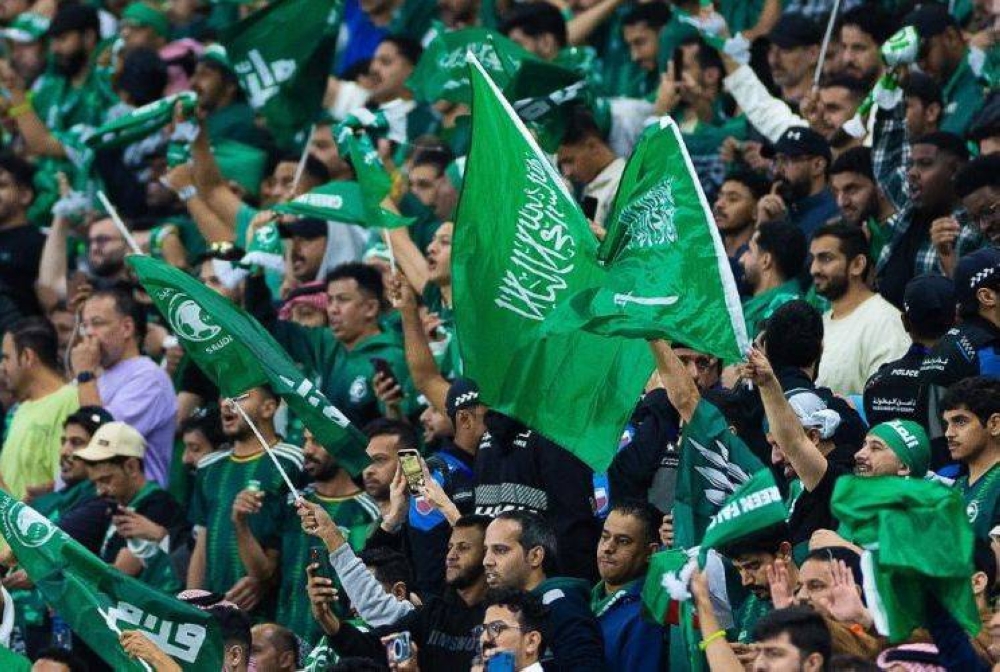
كما سجلت مباريات الدوري السعودي أرقاماً قياسية في الحضور الجماهيري والتفاعل الرقمي، متفوقة على العديد من الدوريات الأوروبية في معدلات النمو.
السعودية وجهة كأس العالم
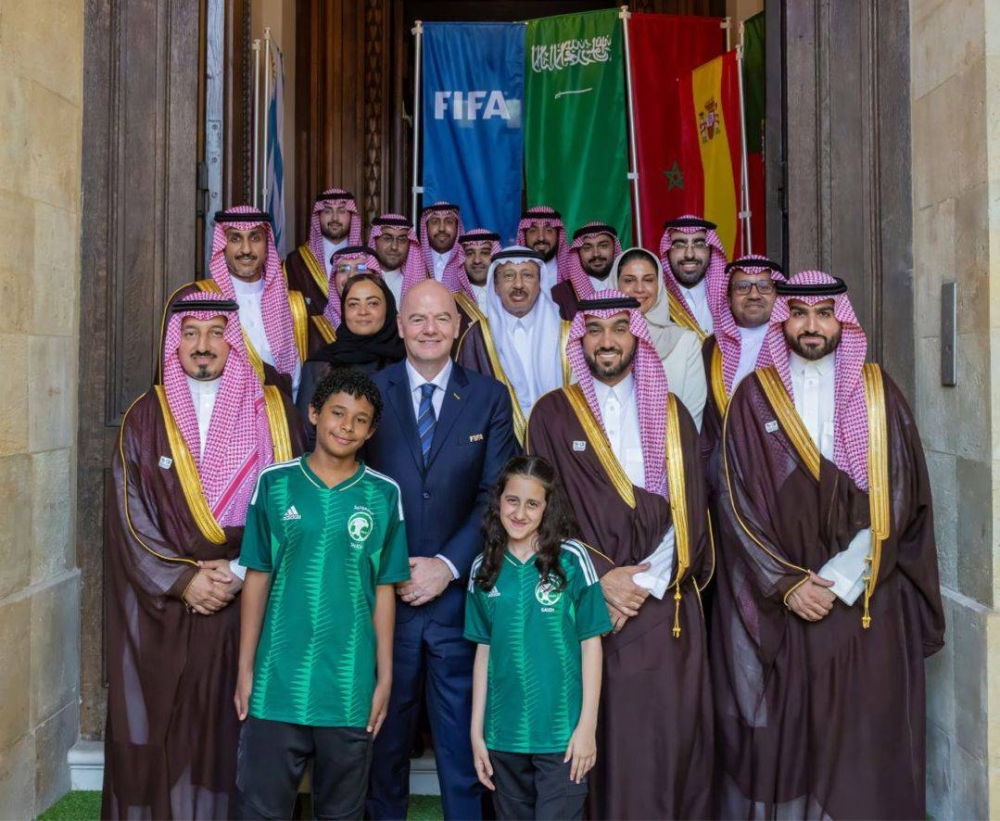
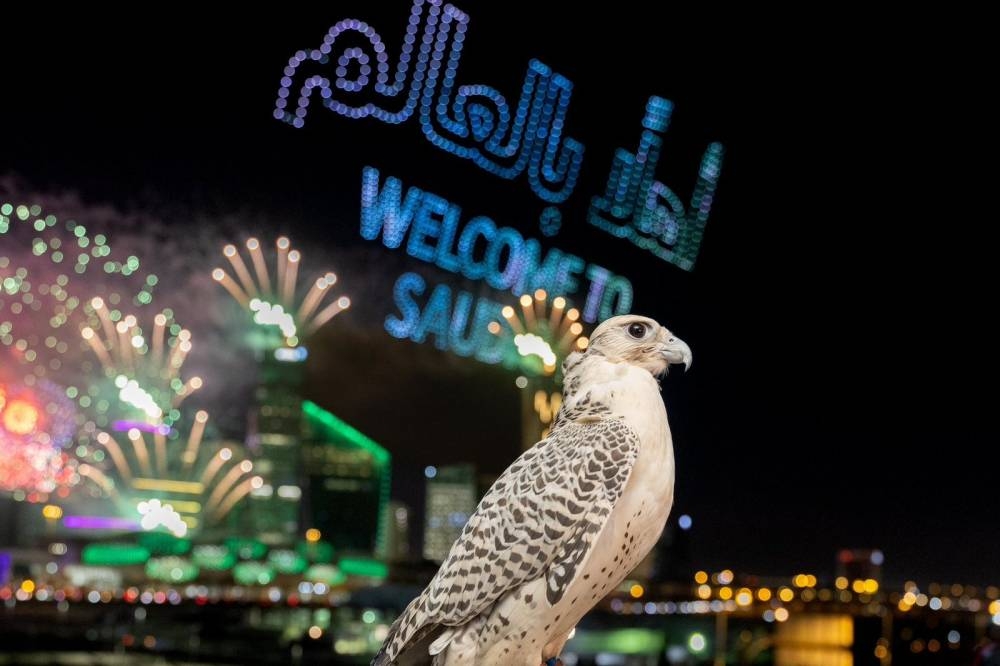
في أكتوبر 2023، أعلنت المملكة رسمياً استضافة بطولة كأس العالم 2034، لتكون ثاني دولة عربية تحتضن الحدث الكروي الأكبر، في خطوة تُوصف بأنها تتويج لرؤية السعودية 2030 التي جعلت من الرياضة محوراً أساسياً في التنمية والاستثمار، فالملف السعودي نال دعماً دولياً واسعاً، واستوفى كافة الشروط اللوجستية والتقنية، بما في ذلك البنية التحتية، وتوافر الملاعب الحديثة، والنمو المتسارع في الحضور الجماهيري، والدور الريادي للمملكة في تطوير الرياضة إقليمياً وعالمياً.
في يومها العالمي
25 مايو تأكيد عالمي على أن كرة القدم أصبحت قوة ناعمة تُسهم في بناء المجتمعات، ونشر التسامح، وتحفيز الاقتصاد، وتحقيق التقارب بين الشعوب.
ومن السعودية إلى العالم، تستمر كرة القدم في كتابة قصتها.. قصة بدأت بكرة على الرمال، وأصبحت الآن كرة تصنع التاريخ العالمي.
في اليوم العالمي لكرة القدم
السعودية من أرض البداية إلى استضافة كأس العالم
25 مايو 2025 - 10:18
|
آخر تحديث 25 مايو 2025 - 10:18


تابع قناة عكاظ على الواتساب
متعب العواد (حائل) Motabalawwd@
On its first global day, which falls on May 25, the green rectangles transcend the boundaries of sport to become a space for peace, a platform for development, and a bridge connecting peoples and cultures, from city neighborhoods to the halls of the United Nations, from the cheers of the crowds to the texts of international resolutions. Football asserts its presence as a global player that stirs emotions, drives the economy, and makes history.
At the heart of this scene, Saudi Arabia stands witness to the transformation of the game from a popular passion to a true developmental force, which began over a century ago in Jeddah and today extends towards hosting the 2034 World Cup.
Global Economy
Since its inception as a popular activity in neighborhoods and schools, football has transformed into a colossal global industry generating hundreds of billions annually.
According to the Deloitte Football Money League report, the revenues of major European clubs alone exceeded $30 billion in 2023, while the market value of the global football economy approaches $600 billion, distributed among broadcasting rights, sponsorships, tickets, commercial licenses, and digital platforms.
In the 2022 Qatar World Cup, FIFA's revenues surpassed $7.5 billion, a historic unprecedented figure that confirms football has become one of the pillars of the global entertainment economy.
Passion Begins in Jeddah
The beginnings of football in Saudi Arabia date back over a century, specifically in the city of Jeddah with the establishment of Al-Ittihad Club in 1927, which is considered the oldest Saudi club.
Since then, the game has transformed into a popular sentiment and a component of national identity, leading to the emergence of a generation of major clubs, foremost among them Al-Nassr Club, which made history in 2000 as the first Saudi and Asian club to represent the continent in the FIFA Club World Cup in Brazil, an achievement that later paved the way for the participation of Al-Ittihad, Al-Hilal, and then Al-Ahli.
From Hobby to Industry
The Saudi Professional League has witnessed a tremendous leap in the last decade in terms of organization, investment, and television broadcasting, culminating in the qualitative attraction of the world's top stars, including Cristiano Ronaldo, Karim Benzema, N'Golo Kanté, and Sadio Mané.
In the 2023-2024 season, Saudi clubs' spending in the transfer market exceeded €900 million, making it the second largest globally after the English Premier League, according to the FIFA Global Transfer Report.
Saudi league matches have also recorded record numbers in attendance and digital engagement, surpassing many European leagues in growth rates.
Saudi Arabia: A World Cup Destination
In October 2023, the Kingdom officially announced its hosting of the 2034 World Cup, becoming the second Arab country to host the biggest football event, in a step described as a culmination of Saudi Vision 2030, which has made sports a central focus in development and investment. The Saudi bid received broad international support and met all logistical and technical requirements, including infrastructure, availability of modern stadiums, rapidly growing attendance, and the Kingdom's leading role in developing sports regionally and globally.
On Its Global Day
May 25 is a global affirmation that football has become a soft power contributing to building communities, spreading tolerance, stimulating the economy, and achieving rapprochement between peoples.
From Saudi Arabia to the world, football continues to write its story... a story that began with a ball on the sand and has now become a ball that makes global history.
At the heart of this scene, Saudi Arabia stands witness to the transformation of the game from a popular passion to a true developmental force, which began over a century ago in Jeddah and today extends towards hosting the 2034 World Cup.
Global Economy
Since its inception as a popular activity in neighborhoods and schools, football has transformed into a colossal global industry generating hundreds of billions annually.
According to the Deloitte Football Money League report, the revenues of major European clubs alone exceeded $30 billion in 2023, while the market value of the global football economy approaches $600 billion, distributed among broadcasting rights, sponsorships, tickets, commercial licenses, and digital platforms.
In the 2022 Qatar World Cup, FIFA's revenues surpassed $7.5 billion, a historic unprecedented figure that confirms football has become one of the pillars of the global entertainment economy.
Passion Begins in Jeddah
The beginnings of football in Saudi Arabia date back over a century, specifically in the city of Jeddah with the establishment of Al-Ittihad Club in 1927, which is considered the oldest Saudi club.
Since then, the game has transformed into a popular sentiment and a component of national identity, leading to the emergence of a generation of major clubs, foremost among them Al-Nassr Club, which made history in 2000 as the first Saudi and Asian club to represent the continent in the FIFA Club World Cup in Brazil, an achievement that later paved the way for the participation of Al-Ittihad, Al-Hilal, and then Al-Ahli.
From Hobby to Industry
The Saudi Professional League has witnessed a tremendous leap in the last decade in terms of organization, investment, and television broadcasting, culminating in the qualitative attraction of the world's top stars, including Cristiano Ronaldo, Karim Benzema, N'Golo Kanté, and Sadio Mané.
In the 2023-2024 season, Saudi clubs' spending in the transfer market exceeded €900 million, making it the second largest globally after the English Premier League, according to the FIFA Global Transfer Report.
Saudi league matches have also recorded record numbers in attendance and digital engagement, surpassing many European leagues in growth rates.
Saudi Arabia: A World Cup Destination
In October 2023, the Kingdom officially announced its hosting of the 2034 World Cup, becoming the second Arab country to host the biggest football event, in a step described as a culmination of Saudi Vision 2030, which has made sports a central focus in development and investment. The Saudi bid received broad international support and met all logistical and technical requirements, including infrastructure, availability of modern stadiums, rapidly growing attendance, and the Kingdom's leading role in developing sports regionally and globally.
On Its Global Day
May 25 is a global affirmation that football has become a soft power contributing to building communities, spreading tolerance, stimulating the economy, and achieving rapprochement between peoples.
From Saudi Arabia to the world, football continues to write its story... a story that began with a ball on the sand and has now become a ball that makes global history.


