مع ارتفاع درجات الحرارة وتزايد موجات الحر خلال فصل الصيف، تزداد المخاطر الصحية المرتبطة بالجفاف والإجهاد الحراري وضربات الشمس، ما يجعل النظام الغذائي عاملاً أساسياً في الحفاظ على توازن السوائل وصحة الجسم.
وفي هذا السياق، أوضحت رئيسة خدمات التغذية العلاجية والحمية السريرية في مستشفى أستر سي إم آي بنغالور إدوينا راج أن بعض الأطعمة والمشروبات قد تزيد من فقدان السوائل أو ترفع درجة حرارة الجسم الداخلية، الأمر الذي يجعلها غير مناسبة خلال فترات الحر الشديد.
وقالت الخبيرة إن الجسم يفقد كميات أكبر من الماء والأملاح عبر التعرق أثناء موجات الحر، لذلك فإن تناول أطعمة غير مناسبة قد يؤدي إلى الشعور بالإرهاق والجفاف وعدم الراحة، مشددة على أهمية اختيار وجبات خفيفة ومنعشة خلال الأيام شديدة الحرارة.
أطعمة يُنصح بتجنبها أثناء موجات الحر
الأطعمة الحارة
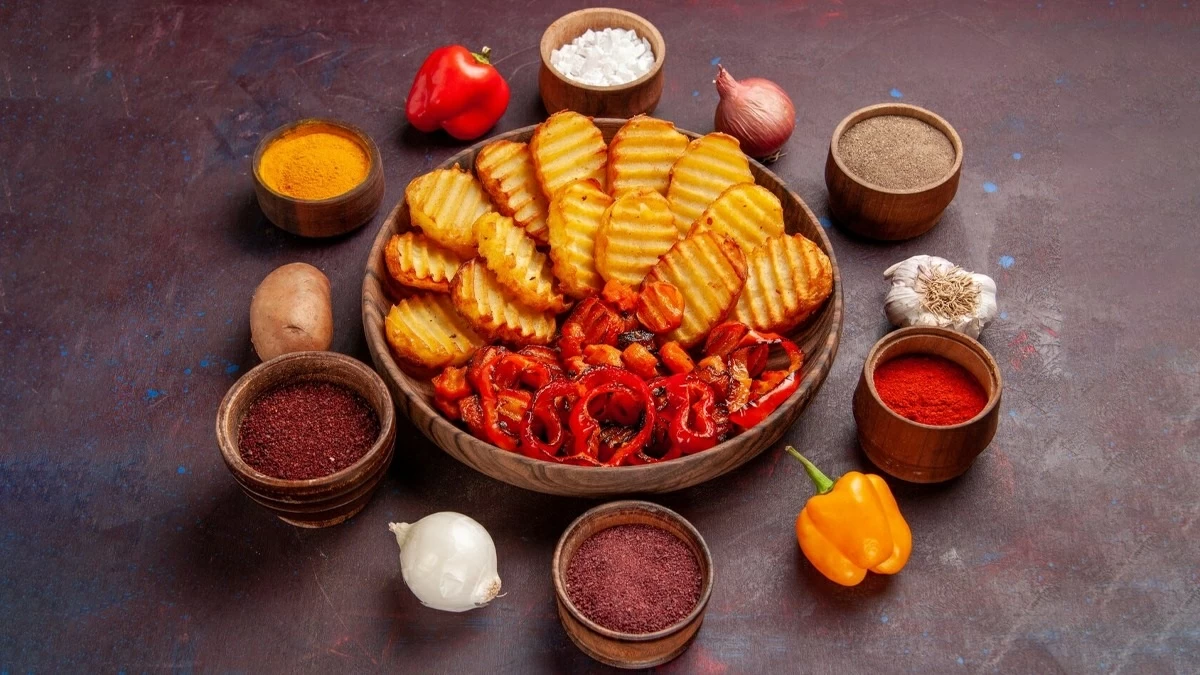
تحتل الأطعمة الغنية بالفلفل الحار والتوابل القوية قائمة المأكولات التي يُفضل الحد منها في الطقس الحار، لأنها قد تزيد من التعرق وتعزز الشعور بارتفاع حرارة الجسم.
الأطعمة المقلية والدهنية
تحتاج هذه الأطعمة إلى وقت أطول للهضم، ما يزيد الشعور بالخمول والانتفاخ، خصوصاً عند ارتفاع درجات الحرارة.
اللحوم الحمراء
تُعد اللحوم الحمراء من الأطعمة الثقيلة على الجهاز الهضمي، كما أن عملية هضمها تولد مزيداً من الحرارة داخل الجسم، وهو ما قد يزيد الشعور بالإجهاد الحراري.
الأطعمة المصنعة
تشمل رقائق البطاطس والمعكرونة سريعة التحضير والوجبات الخفيفة المعبأة، والتي غالباً ما تحتوي على نسب مرتفعة من الصوديوم، ما قد يساهم في زيادة خطر الجفاف.
الحلويات والأطعمة الغنية بالسكر
رغم أنها تمنح دفعة سريعة من الطاقة، إلا أن تأثيرها لا يدوم طويلاً، وقد يعقبه شعور بالتعب والإرهاق، فضلاً عن تأثيرها المحتمل على توازن السوائل في الجسم.
المشروبات الغنية بالكافيين
مثل القهوة القوية ومشروبات الطاقة، وينصح الخبراء بتقليل استهلاكها خلال موجات الحر، لأن الإفراط في الكافيين قد يزيد فقدان السوائل لدى بعض الأشخاص.
المخللات والوجبات السريعة المالحة
قد يؤدي الإفراط في تناول الأطعمة الغنية بالملح إلى اختلال توازن السوائل في الجسم، ما يزيد الشعور بالعطش والإجهاد.
الشوربات الساخنة والوجبات الثقيلة
تسهم هذه الأطعمة في زيادة الإحساس بالحرارة وعدم الراحة، خصوصاً خلال ساعات النهار الحارة.
ماذا يُنصح بتناوله بدلاً من ذلك؟
تنصح أخصائية التغذية بالتركيز على الأطعمة الغنية بالماء والعناصر الغذائية، مثل: البطيخ، الخيار، الفواكه الطازجة، الخضراوات الورقية، الزبادي، ماء جوز الهند، الوجبات المنزلية الخفيفة.
كما تؤكد أهمية شرب كميات كافية من الماء على مدار اليوم وعدم انتظار الشعور بالعطش، إلى جانب تناول وجبات صغيرة ومتعددة بدلاً من الوجبات الكبيرة والدسمة.
ويشدد الخبراء على أن التغذية السليمة خلال موجات الحر لا تقل أهمية عن البقاء في أماكن باردة أو تجنب التعرض المباشر للشمس، فاختيار الأطعمة المناسبة يساعد الجسم على الحفاظ على ترطيبه ونشاطه وتقليل خطر الإصابة بالجفاف والإجهاد الحراري، خصوصاً لدى الأطفال وكبار السن وأصحاب الأمراض المزمنة.
With rising temperatures and increasing heatwaves during the summer, the health risks associated with dehydration, heat stress, and heat strokes rise, making diet a crucial factor in maintaining fluid balance and overall health.
In this context, Edwina Raj, head of Clinical Nutrition and Dietetic Services at Aster CMI Hospital in Bangalore, explained that certain foods and beverages may increase fluid loss or raise the body's internal temperature, making them unsuitable during periods of extreme heat.
The expert stated that the body loses larger amounts of water and salts through sweating during heatwaves, so consuming inappropriate foods may lead to feelings of fatigue, dehydration, and discomfort, emphasizing the importance of choosing light and refreshing meals during very hot days.
Foods to Avoid During Heatwaves
Spicy Foods
Foods rich in chili and strong spices top the list of items to limit in hot weather, as they may increase sweating and enhance the feeling of body heat.
Fried and Fatty Foods
These foods take longer to digest, increasing feelings of sluggishness and bloating, especially when temperatures are high.
Red Meat
Red meat is considered heavy on the digestive system, and its digestion generates more heat within the body, which may increase feelings of heat stress.
Processed Foods
This includes potato chips, instant noodles, and packaged snacks, which often contain high levels of sodium, potentially contributing to an increased risk of dehydration.
Sweets and Sugary Foods
Although they provide a quick energy boost, their effect does not last long, often followed by feelings of fatigue and exhaustion, as well as their potential impact on the body's fluid balance.
Caffeinated Beverages
Such as strong coffee and energy drinks, experts recommend reducing their consumption during heatwaves, as excessive caffeine may increase fluid loss in some individuals.
Pickles and Salty Fast Foods
Excessive consumption of salty foods may lead to an imbalance in the body's fluids, increasing feelings of thirst and stress.
Hot Soups and Heavy Meals
These foods contribute to an increased sensation of heat and discomfort, especially during hot daytime hours.
What to Eat Instead?
The nutritionist advises focusing on foods rich in water and nutrients, such as: watermelon, cucumber, fresh fruits, leafy vegetables, yogurt, coconut water, and homemade light meals.
She also emphasizes the importance of drinking adequate amounts of water throughout the day and not waiting until feeling thirsty, alongside consuming small and multiple meals instead of large and heavy ones.
Experts stress that proper nutrition during heatwaves is as important as staying in cool places or avoiding direct sun exposure, as choosing the right foods helps the body maintain hydration and energy levels and reduces the risk of dehydration and heat stress, especially in children, the elderly, and those with chronic illnesses.