


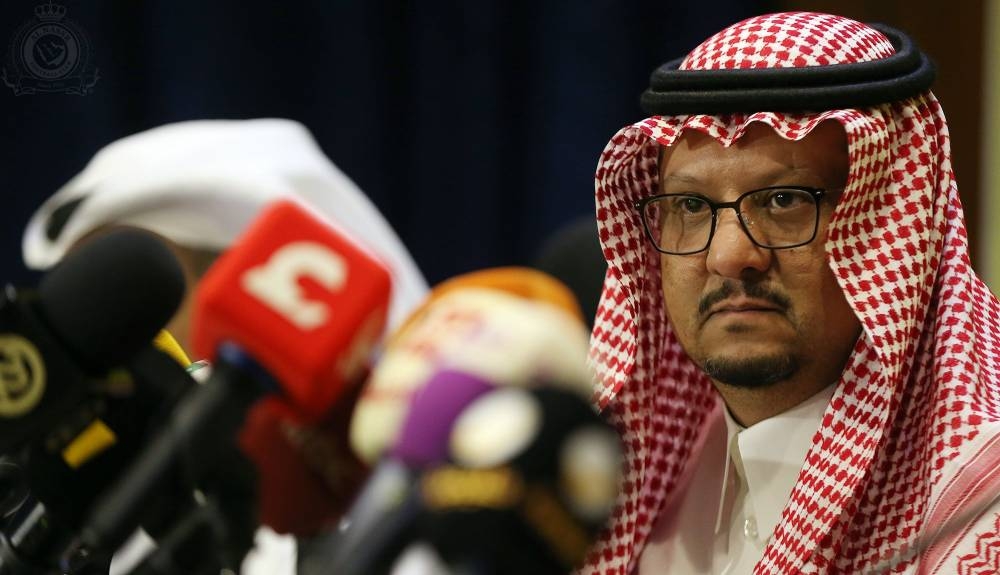
كسر رئيس نادي النصر السابق الأمير فيصل بن تركي بن ناصر، المعروف بلقب «كحيلان»، صمته إزاء الواقع الإداري الجديد الذي تعيشه الأندية السعودية، وعلى رأسها نادي النصر، كاشفاً ملامح التحول الجذري في هيكلة القرار داخل الأندية بعد دخول صندوق الاستثمارات العامة كمالك رئيسي.
وأكد الأمير فيصل بن تركي أن المنظومة الشرفية لم تعد صاحبة التأثير أو القرار، قائلاً: «انتهى زمن تدخلنا كأعضاء شرف أو أعضاء ذهبيين، فالقرار بات حصرياً بيد مجلس الإدارة المُمثّل للصندوق». وأضاف: «صندوق الاستثمارات العامة يمتلك 75% من ملكية نادي النصر (كما هو الحال في الأندية الأربعة)، بينما تحتفظ الشركة غير الربحية بنسبة 25%، ما يمنح الصندوق أغلبية المقاعد وصلاحية اتخاذ القرار». وأوضح الأمير فيصل أن هذا التحول يعني أن القرار الرياضي لم يعد ناتجاً عن علاقات شخصية أو مبادرات فردية، بل أصبح خاضعاً لمنهج مؤسسي واضح تحكمه معايير الحوكمة والاستثمار الرياضي طويل الأمد، رغم خروجه من دائرة التأثير الرسمي. وشدد الأمير فيصل على استعداده الدائم لخدمة النصر، قائلاً: «إذا طُلبت مني شخصياً المشورة، فنحن حاضرون لخدمة الكيان متى ما اقتضت الحاجة». وتابع: «بعد رئاستي لهذا الكيان العظيم، لم ولن أبدي أي رأي أو انتقاد علني للإدارات المتعاقبة، حتى وإن احتاج النادي للمساعدة، لم أعتد أن أذكر ذلك في وسائل التواصل، بل أتواصل مباشرة مع المعنيين بالأمر».
يذكر أن حديث الرئيس الذهبي للنصر يعد تأكيدا على أن النموذج الجديد للأندية السعودية لم يعد يعتمد على الدعم الشرفي أو التكتلات الفردية، بل على منهج استثماري مؤسسي، إذ تتحكم الكفاءة والحوكمة في مسارات القرار.
وفي ظل هذه المعادلة، يبدو أن مستقبل نادي النصر -وغيره من الأندية الكبيرة- أصبح مرهوناً بأداء مجالس الإدارة المعينة، وإستراتيجيات الصندوق، ومدى قدرتها على توظيف الموارد لتحقيق البطولات والمكتسبات الجماهيرية.
طالب النصراويين بتقبل الوضع الجديد.. فيصل بن تركي:
زمن الشرفيين انتهى والإدارة بيد الصندوق
18 مايو 2025 - 21:09
|
آخر تحديث 18 مايو 2025 - 21:09


تابع قناة عكاظ على الواتساب
متعب العواد (حائل) Motabalawwd@
The former president of Al-Nassr Club, Prince Faisal bin Turki bin Nasser, known by the nickname "Kuhailan," broke his silence regarding the new administrative reality that Saudi clubs are experiencing, particularly Al-Nassr, revealing the features of a radical transformation in the decision-making structure within the clubs following the entry of the Public Investment Fund as the main owner.
Prince Faisal bin Turki confirmed that the honorary system is no longer influential or decision-making, stating: "The era of our intervention as honorary members or golden members has ended; the decision is now exclusively in the hands of the board of directors representing the fund." He added: "The Public Investment Fund owns 75% of Al-Nassr Club (as is the case with the four clubs), while the non-profit company retains 25%, which gives the fund a majority of the seats and the authority to make decisions." Prince Faisal explained that this transformation means that sports decisions are no longer the result of personal relationships or individual initiatives, but have become subject to a clear institutional approach governed by standards of governance and long-term sports investment, despite being outside the realm of official influence. Prince Faisal emphasized his constant readiness to serve Al-Nassr, saying: "If I am personally asked for advice, we are ready to serve the entity whenever needed." He continued: "After my presidency of this great entity, I have not and will not express any public opinion or criticism of the successive administrations, even if the club needs assistance; I am not accustomed to mentioning that on social media, but I communicate directly with those concerned."
It is noteworthy that the comments of the golden president of Al-Nassr confirm that the new model for Saudi clubs no longer relies on honorary support or individual coalitions, but rather on an institutional investment approach, where efficiency and governance control the decision-making paths.
In light of this equation, it seems that the future of Al-Nassr Club - and other major clubs - is now dependent on the performance of the appointed boards of directors, the strategies of the fund, and their ability to utilize resources to achieve championships and public gains.
Prince Faisal bin Turki confirmed that the honorary system is no longer influential or decision-making, stating: "The era of our intervention as honorary members or golden members has ended; the decision is now exclusively in the hands of the board of directors representing the fund." He added: "The Public Investment Fund owns 75% of Al-Nassr Club (as is the case with the four clubs), while the non-profit company retains 25%, which gives the fund a majority of the seats and the authority to make decisions." Prince Faisal explained that this transformation means that sports decisions are no longer the result of personal relationships or individual initiatives, but have become subject to a clear institutional approach governed by standards of governance and long-term sports investment, despite being outside the realm of official influence. Prince Faisal emphasized his constant readiness to serve Al-Nassr, saying: "If I am personally asked for advice, we are ready to serve the entity whenever needed." He continued: "After my presidency of this great entity, I have not and will not express any public opinion or criticism of the successive administrations, even if the club needs assistance; I am not accustomed to mentioning that on social media, but I communicate directly with those concerned."
It is noteworthy that the comments of the golden president of Al-Nassr confirm that the new model for Saudi clubs no longer relies on honorary support or individual coalitions, but rather on an institutional investment approach, where efficiency and governance control the decision-making paths.
In light of this equation, it seems that the future of Al-Nassr Club - and other major clubs - is now dependent on the performance of the appointed boards of directors, the strategies of the fund, and their ability to utilize resources to achieve championships and public gains.


