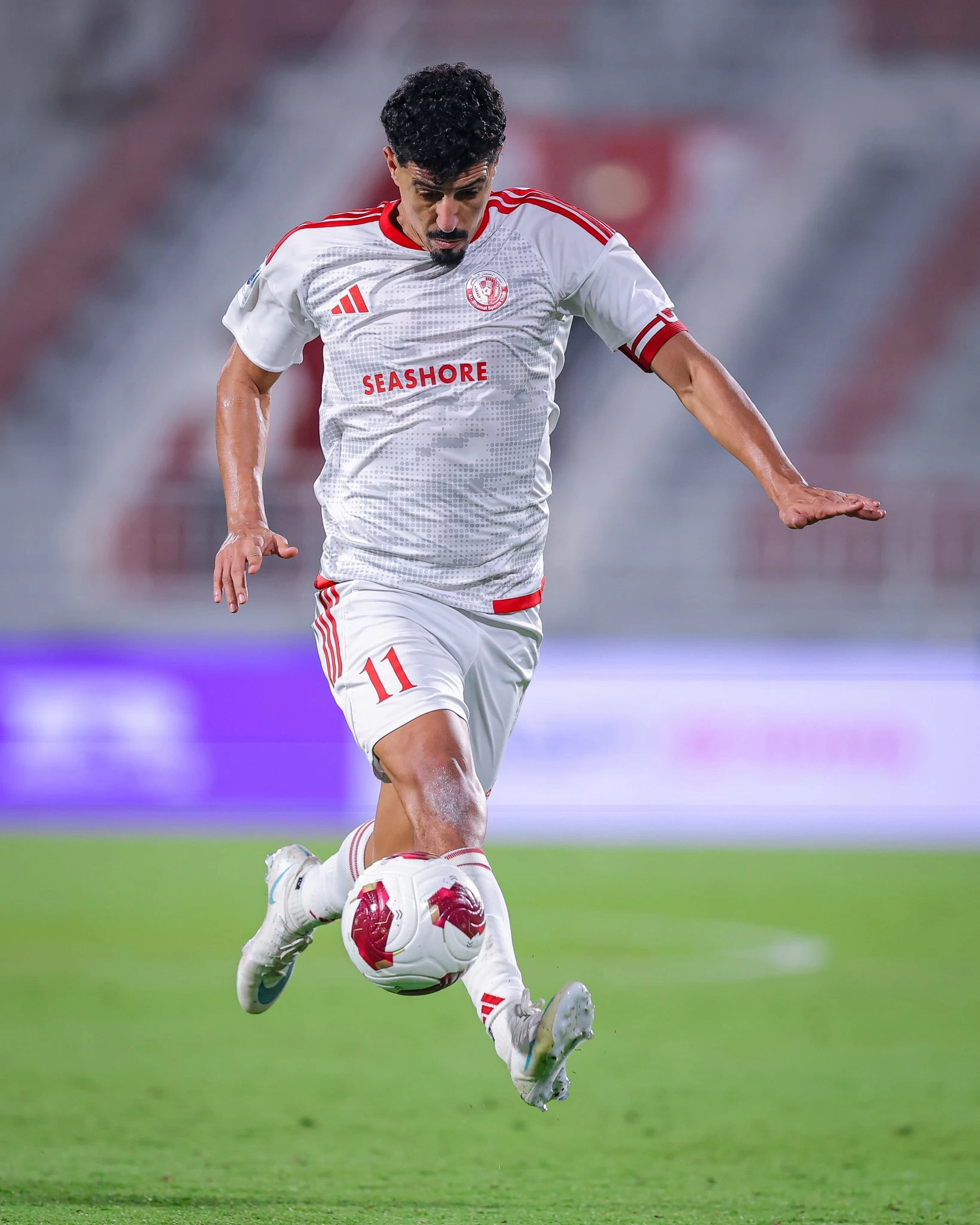
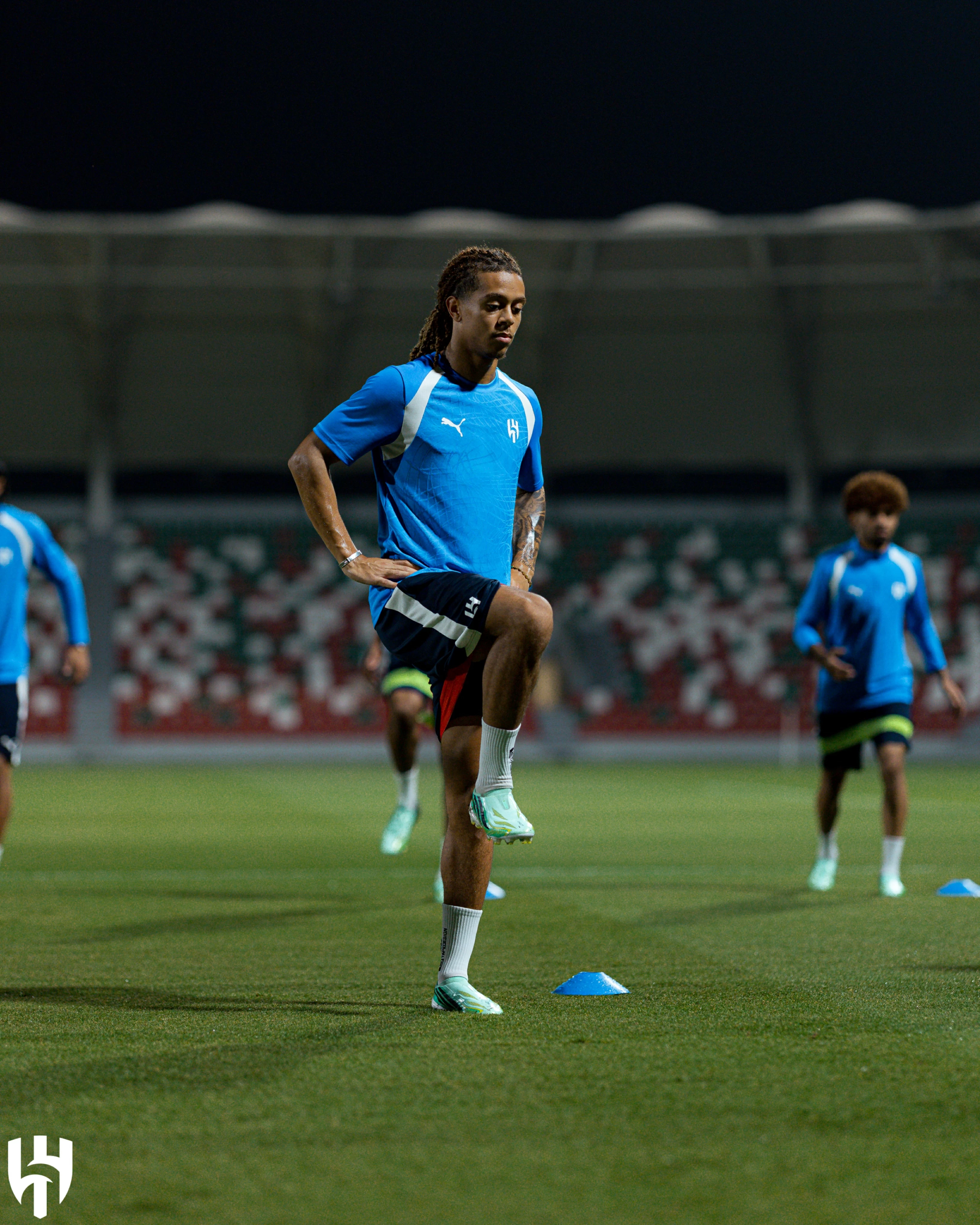
تتجه أنظار عشاق الكرة الآسيوية إلى العاصمة القطرية الدوحة، حيث يلتقي الهلال مع الشمال القطري، على استاد البيت بمدينة الخور، ضمن الجولة الثالثة من مرحلة الدوري في دوري أبطال آسيا للنخبة. والمواجهة ليست مجرد صراع على ثلاث نقاط، بل هي لقاء بين فلسفتين تدريبيتين مختلفتين، يقود كل منهما مدرب بخبرة ورؤية مميزة: الإيطالي سيموني إنزاغي مع الزعيم، والإسباني ديفيد براتس مع الشمال.
إنزاغي.. المرونة والسيطرة والضغط المنظم
يتبنى الإيطالي سيموني إنزاغي فلسفة تعتمد على المرونة التكتيكية العالية، حيث يتنقل بين تشكيلتي 4-3-3 و3-5-2 وفقاً لطبيعة الخصم ومجريات المباراة. وأبرز ملامح أسلوبه ما يلي:
(السيطرة على وسط الملعب) فرض الاستحواذ والتحكم في إيقاع اللعب منذ الدقائق الأولى، مع بناء الهجمات من الخلف بتمريرات قصيرة ومنظمة.
الضغط العالي
يطالب لاعبيه بالضغط على حامل الكرة فور فقدانها، لاستعادة الكرة في أسرع وقت ممكن وفي أقرب منطقة لمرمى الخصم.
التحول السريع
الانتقال من الدفاع إلى الهجوم بلمسات سريعة وعمودية مباشرة، مع استغلال تقدم الظهيرين لتوسيع رقعة اللعب وخلق مساحات في عمق دفاع الخصم.
تنوع الحلول الهجومية
لا يعتمد على نجم واحد، بل تضافر جهود الجناحين والمهاجمين ولاعبي الوسط لتشكيل شبكة تمرير وتسديد متكاملة. أسلوب ديفيد براتس: التنظيم الصلب والذكاء الهجومي.
الخصم منظم دفاعياً
الإسباني ديفيد براتس مدرب الشمال، يعتمد على بناء دفاعي مترابط يبدأ من خط المقدمة، حيث يضغط الفريق بشكل منظم لإجبار الخصم على اللعب نحو الأطراف وتقليل المساحات الخطرة.
الواقعية الهجومية
استغلال مثالي للكرات المستعادة والهجمات المرتدة السريعة، مع الاعتماد على نجم الفريق بغداد بونجاح كرأس حربة قادر على الاحتفاظ بالكرة وصناعة الفرص.
اللعب الجماعي المنسجم
يمنح لاعبيه حركة متناغمة بدون كرة، مما يجعل الفريق متصلاً في الهجوم والدفاع معاً، وصعب الاختراق.
المرونة في التشكيل
ينتقل بين 4-2-3-1 و4-3-3 وفقاً للخصم، مع الحفاظ على تماسك الخطوط الثلاثة.
The eyes of Asian football fans are directed towards the Qatari capital, Doha, where Al Hilal meets Al Shamal at Al Bayt Stadium in Al Khor, as part of the third round of the group stage in the AFC Champions League. This match is not just a battle for three points; it is a meeting between two different coaching philosophies, each led by a coach with unique experience and vision: the Italian Simone Inzaghi with Al Hilal, and the Spaniard David Brats with Al Shamal.
Inzaghi.. Flexibility, Control, and Organized Pressure
The Italian Simone Inzaghi adopts a philosophy based on high tactical flexibility, switching between formations of 4-3-3 and 3-5-2 according to the nature of the opponent and the flow of the match. The main features of his style are as follows:
(Control of the Midfield) Imposing possession and controlling the rhythm of the game from the very first minutes, while building attacks from the back with short and organized passes.
High Pressure
He demands his players to pressure the ball carrier immediately upon losing possession, to regain the ball as quickly as possible and as close to the opponent's goal as possible.
Quick Transition
Transitioning from defense to attack with quick and direct vertical touches, utilizing the advance of the full-backs to widen the play and create spaces in the depth of the opponent's defense.
Diverse Offensive Solutions
He does not rely on a single star, but rather on the combined efforts of the wingers, forwards, and midfielders to form a comprehensive passing and shooting network. David Brats' style: Solid Organization and Offensive Intelligence.
The Opponent is Defensively Organized
The Spaniard David Brats, coach of Al Shamal, relies on a cohesive defensive structure that starts from the front line, where the team presses in an organized manner to force the opponent to play towards the flanks and reduce dangerous spaces.
Realistic Offense
Optimal exploitation of recovered balls and quick counter-attacks, relying on the team's star Baghdad Bounedjah as a striker capable of holding the ball and creating opportunities.
Harmonious Collective Play
He gives his players synchronized off-the-ball movement, making the team connected in both attack and defense, and difficult to penetrate.
Flexibility in Formation
He transitions between 4-2-3-1 and 4-3-3 according to the opponent, while maintaining the cohesion of the three lines.