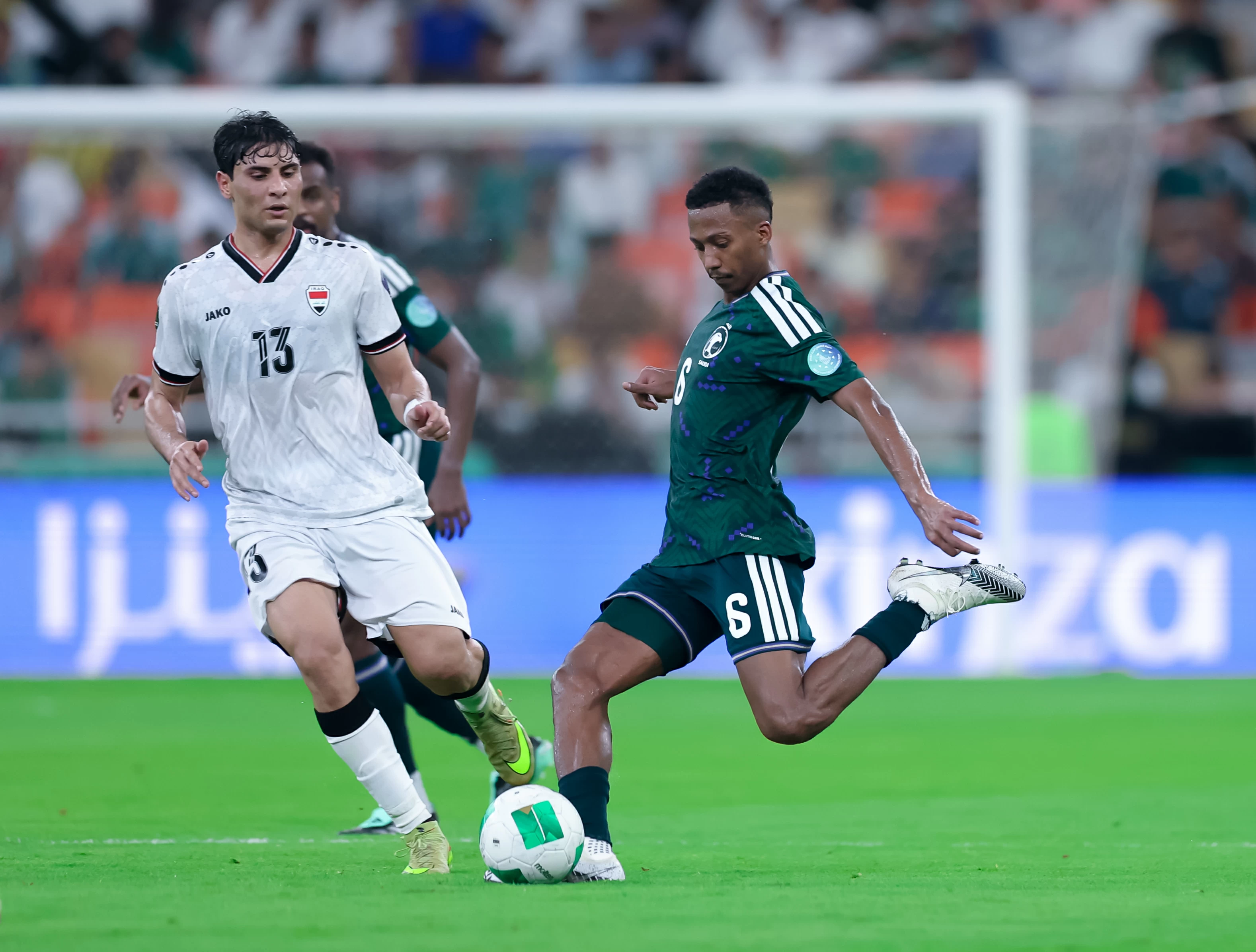
حذرت الجماهير السعودية مدرب منتخبنا الوطني جورجيوس دونيس من تكرار فكرة التجارب والزج بلاعبين "دكة" خلال مواجهة قطر (السبت) ضمن نصف نهائي خليجي 27، بل طالبته بالزج باللاعبين الأساسيين مثلما حدث في مواجهة الجولة الثانية أمام المنتخب العماني والتي انتهت بثلاثية دون مقابل.
إذ يمنع منعاً باتاً تكرار فكرة التجربة مثلما حصل أمام العراق رغم أنها نجحت، لكن عليه أن يعي بأنه ليس كل مرة تسلم الجرة، فمواجهة اليوم لا تقبل القسمة على اثنين حيث لا بد من فائز ومتأهل لنهائي البطولة الخليجية.
هنا لا توجد فرصة للتعويض، ولا يمكن إصلاح الأخطاء في مباراة لاحقة، لأن 90 دقيقة فقط ستحدد ما إذا كان الأخضر سيواصل طريقه نحو اللقب أم يغادر البطولة.
وتزداد صعوبة المهمة لأن "الأخضر" يدخل المواجهة وهو مطالب بتحويل أفضلية الأرض والجمهور والحالة الفنية إلى تفوق حقيقي داخل الملعب، في مواجهة العنابي يعرف كيف يتعامل مع المباريات الكبيرة، ولهذا تنتظر دونيس عدة تحديات قد تحسم شكل المباراة ومصير المنتخب في البطولة.
فك التكتل
أولى المهام التي ستشغل تفكير دونيس ستكون كيفية اختراق التنظيم الدفاعي للمنتخب القطري، خصوصاً أن مباريات نصف النهائي غالباً ما تدفع المنافس إلى تقليل المساحات والاعتماد على الانضباط قبل المغامرة الهجومية.
منتخبنا سيحتاج إلى تحريك الكرة بسرعة، وتنويع الهجمات وعدم الوقوع في فخ الاستحواذ العقيم، لأن امتلاك الكرة وحده لن يكون كافياً إذا ظل اللعب أمام كتلة دفاعية متماسكة. وهنا سيكون دور لاعبي الوسط والأجنحة مهماً في خلق المساحات وفتح الثغرات بدلاً من انتظار الحلول الفردية.
خطورة التحولات
لن تكون المشكلة في كيفية هجوم السعودية فقط، وإنما في كيفية تأمين ظهر الفريق أثناء التقدم، المنتخب القطري يملك القدرة على استغلال المساحات خلف لاعبي الأخضر، وأي فقدان للكرة في مناطق متقدمة قد يتحول سريعاً إلى هجمة خطيرة.
لذلك سيكون على دونيس إيجاد التوازن بين زيادة عدد اللاعبين في الثلث الهجومي وعدم ترك مساحات تسمح لقطر بالتحول السريع. والمخاطرة الهجومية ستكون مطلوبة، لكن دون أن تتحول إلى اندفاع يضع الدفاع أمام مواقف صعبة.
التعامل مع الضغط
التحدي الثالث ذهني بالدرجة الأولى، اللعب على أرضنا وبين جماهيرنا يمنح "الأخضر" دفعة كبيرة، لكنه في الوقت نفسه يرفع سقف التوقعات ويضاعف الضغط على اللاعبين والجهاز الفني.
القرارات الحاسمة
التحدي الأخير قد يكون في قدرة دونيس على قراءة المباراة والتدخل في الوقت المناسب، فمواجهة بهذا الحجم قد تتغير بالكامل بسبب تبديل أو تغيير في الرسم التكتيكي أو تعديل أحد الأدوار داخل الملعب. المدرب اليوناني سيحتاج إلى أن يكون مستعداً لكل السيناريوهات، سواء تقدمت السعودية مبكراً أو تأخرت في النتيجة أو ظلت المباراة مغلقة حتى دقائقها الأخيرة، وهنا ستظهر قيمة قراراته أكثر من أي وقت مضى، لأن الخطأ في نصف النهائي قد يعني نهاية المشوار.
The Saudi fans have warned our national team coach, Georgios Donis, against repeating the idea of experiments and using "bench" players during the match against Qatar (Saturday) in the semi-finals of the Gulf Cup 27. Instead, they demanded that he field the main players, just as he did in the second round match against the Omani team, which ended with a three-nil victory.
It is absolutely forbidden to repeat the idea of experimentation as was done against Iraq, even though it was successful. He must realize that not every time will the pot be safe; today’s match does not allow for division into halves, as there must be a winner who qualifies for the Gulf Cup final.
There is no opportunity for compensation here, and mistakes cannot be corrected in a later match, because only 90 minutes will determine whether the Green will continue its path toward the title or exit the tournament.
The task becomes more difficult as the "Green" enters the match needing to convert the advantage of home ground, the crowd, and the technical condition into real superiority on the field, against the Qatari team, which knows how to handle big matches. Therefore, Donis faces several challenges that could determine the shape of the match and the fate of the team in the tournament.
Breaking the Block
The first task that will occupy Donis's thoughts will be how to penetrate the defensive organization of the Qatari team, especially since semi-final matches often push the opponent to reduce spaces and rely on discipline before taking offensive risks.
Our team will need to move the ball quickly, diversify attacks, and avoid falling into the trap of sterile possession, because simply having the ball will not be enough if the play remains in front of a solid defensive block. Here, the role of midfielders and wingers will be crucial in creating spaces and opening gaps instead of waiting for individual solutions.
The Danger of Transitions
The problem will not only be how Saudi Arabia attacks but also how to secure the team's back while advancing. The Qatari team has the ability to exploit spaces behind the Green players, and any loss of the ball in advanced areas can quickly turn into a dangerous counterattack.
Therefore, Donis will need to find a balance between increasing the number of players in the attacking third and not leaving spaces that allow Qatar to transition quickly. Offensive risks will be necessary, but without turning into a rush that puts the defense in difficult situations.
Dealing with Pressure
The third challenge is primarily mental; playing on our home ground and among our fans gives the "Green" a significant boost, but at the same time raises the expectations and multiplies the pressure on the players and the coaching staff.
Decisive Decisions
The final challenge may lie in Donis's ability to read the game and intervene at the right moment. A match of this magnitude can change completely due to a substitution, a change in tactical formation, or an adjustment of roles on the field. The Greek coach will need to be prepared for all scenarios, whether Saudi Arabia takes an early lead, falls behind in the score, or if the match remains closed until its final minutes. Here, the value of his decisions will be more significant than ever, as a mistake in the semi-finals could mean the end of the journey.