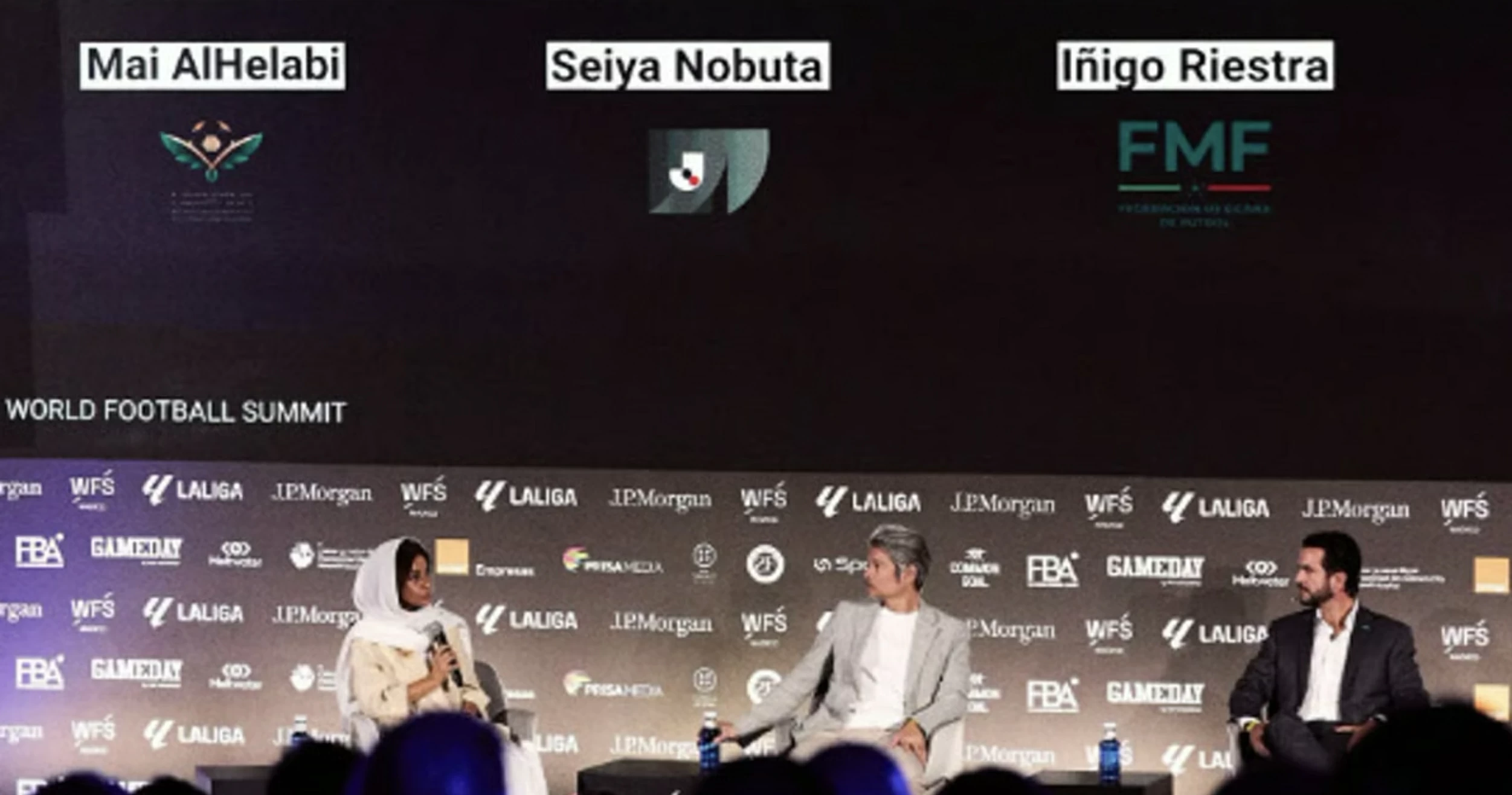
شاركت اللجنة المحلية المنظمة لكأس آسيا السعودية 2027 في قمة كرة القدم العالمية 2026، التي استضافتها العاصمة الإسبانية مدريد، يومي 15 و16 سبتمبر 2026.
وحضرت الرئيس التنفيذي للجنة المحلية مي الهلابي جلسة نقاشية بعنوان «ما وراء أوروبا: إعادة كتابة قواعد اللعبة»، تناولت نمو كرة القدم خارج الأسواق الأوروبية، وتطور استضافة الأحداث الرياضية الكبرى، والدور المتنامي للأسواق الجديدة في صناعة كرة القدم عالمياً.
واستعرضت الهلابي خلال الجلسة استعدادات المملكة لاستضافة كأس آسيا السعودية 2027 للمرة الأولى، بمشاركة 24 منتخباً يتنافسون في 51 مباراة تقام في الرياض وجدة والخبر، ضمن منظومة تشغيلية تشمل 8 ملاعب و31 موقعاً للتدريب وأكثر من 40 فندقاً، إلى جانب التنسيق مع أكثر من 50 جهة حكومية وخاصة في مختلف مسارات التنظيم.
وأوضحت أن البطولة ستشهد تطبيق نموذج معسكرات المنتخبات للمرة الأولى في تاريخ كأس آسيا، بما يوفر لكل منتخب بيئة متكاملة تجمع بين الإقامة والتدريب والخدمات المساندة طوال فترة مشاركته.
وأشارت مي الهلابي إلى أن التحضيرات تستند إلى خبرات تراكمية اكتسبتها الكفاءات الوطنية من استضافة الأحداث الرياضية، إذ استضافت المملكة منذ عام 2018 أكثر من 150 حدثاً رياضياً دولياً، بحضور تجاوز 3.5 مليون مشجع.
وقالت: «اللجنة المحلية اختبرت خلال عام 2026 عدداً من جوانب الجاهزية عبر استضافة ثلاث بطولات آسيوية كبرى، شهدت إقامة 71 مباراة وحضور أكثر من 238 ألف مشجع، ما أتاح اختبار الخطط التشغيلية في بيئة فعلية وتطويرها والاستفادة من نتائجها قبل انطلاق كأس آسيا السعودية 2027».
وأكدت الهلابي أن نجاح كأس آسيا السعودية 2027 يتجاوز أيام المنافسات إلى الأثر الذي تتركه البطولة بعد نهايتها، من خلال تطوير الكفاءات الوطنية وتراكم الخبرات التنظيمية والتشغيلية، وبناء قدرات مستدامة تعزز جاهزية المملكة لاستضافة الأحداث الرياضية الكبرى، وصولاً إلى كأس العالم 2034.
The local organizing committee for the Saudi Arabia 2027 Asian Cup participated in the Global Football Summit 2026, held in the Spanish capital, Madrid, on September 15 and 16, 2026.
The CEO of the local committee, Mai Al-Halabi, attended a discussion session titled "Beyond Europe: Rewriting the Rules of the Game," which addressed the growth of football outside European markets, the evolution of hosting major sporting events, and the growing role of new markets in the global football industry.
During the session, Al-Halabi reviewed the Kingdom's preparations to host the Saudi Arabia 2027 Asian Cup for the first time, with 24 teams competing in 51 matches held in Riyadh, Jeddah, and Khobar, within an operational framework that includes 8 stadiums, 31 training sites, and over 40 hotels, alongside coordination with more than 50 governmental and private entities across various organizational pathways.
She explained that the tournament will see the implementation of a teams' camp model for the first time in the history of the Asian Cup, providing each team with a comprehensive environment that combines accommodation, training, and support services throughout their participation.
Mai Al-Halabi pointed out that the preparations are based on cumulative experiences gained by national competencies from hosting sporting events, as the Kingdom has hosted more than 150 international sporting events since 2018, with attendance exceeding 3.5 million fans.
She said: "The local committee tested several aspects of readiness during 2026 by hosting three major Asian tournaments, which saw 71 matches and over 238,000 fans in attendance, allowing for the testing of operational plans in a real environment, developing them, and benefiting from their results before the Saudi Arabia 2027 Asian Cup."
Al-Halabi emphasized that the success of the Saudi Arabia 2027 Asian Cup extends beyond the days of competition to the impact the tournament leaves after its conclusion, through the development of national competencies, the accumulation of organizational and operational experiences, and building sustainable capacities that enhance the Kingdom's readiness to host major sporting events, leading up to the 2034 World Cup.