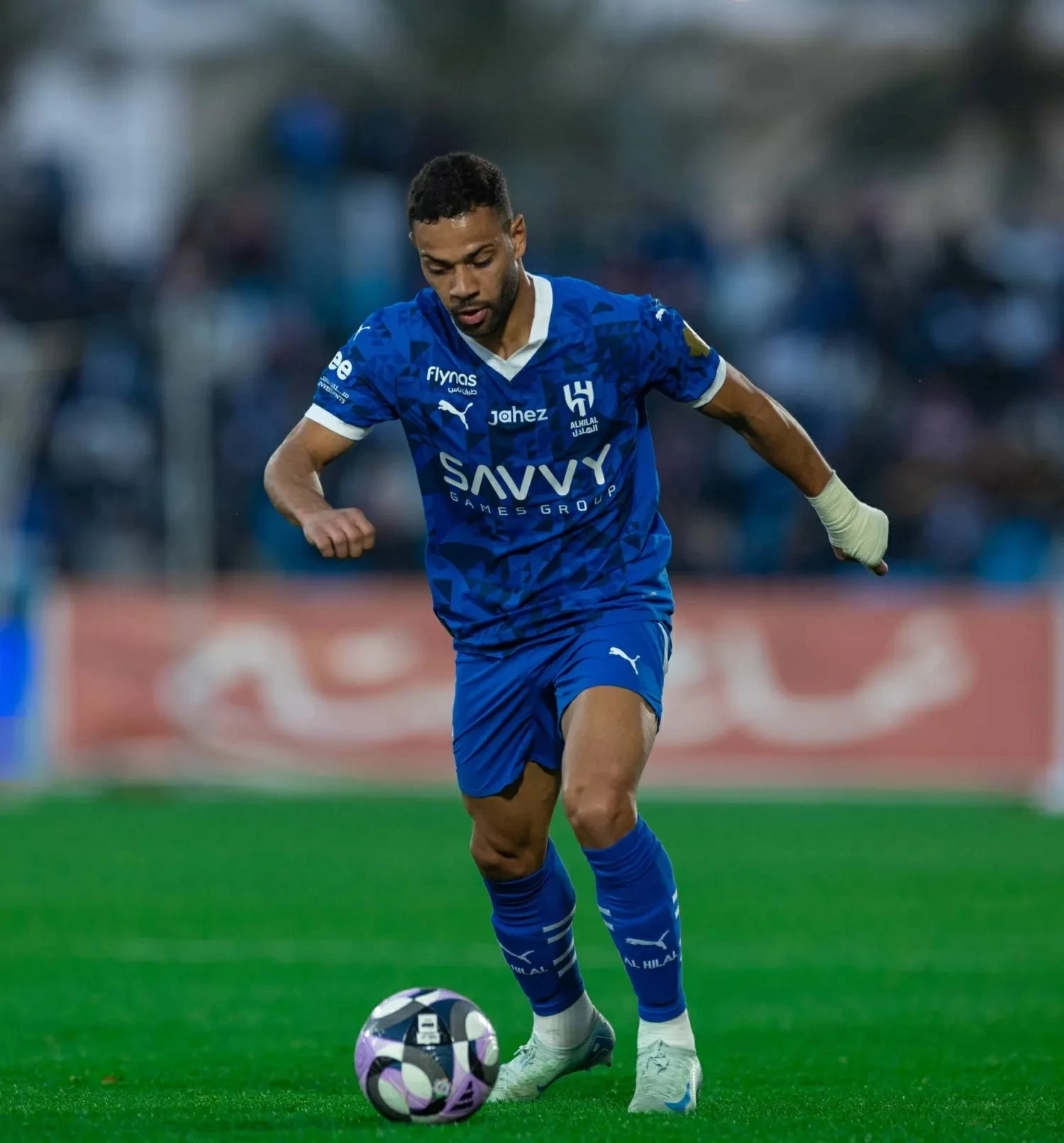
كشف القانوني فيصل المالكي، تفاصيل النزاع القائم بين نادي الهلال واللاعب البرازيلي رينان لودي، مستعرضاً أبرز المرتكزات التي قد تعزز موقف النادي العاصمي في القضية المنظورة أمام الاتحاد الدولي لكرة القدم (فيفا)، بعد إنهاء اللاعب عقده من طرف واحد.
وأوضح المالكي، المتخصص في القانون الرياضي، أن لودي كان قد وقع مع الهلال عقداً يمتد لثلاثة مواسم ونصف الموسم، قبل أن يوجه في 13 سبتمبر 2025 خطاباً إلى النادي يطلب فيه فسخ عقده من جانب واحد، مستنداً إلى عدم تسجيله ضمن قائمة الهلال في الدوري.
وبحسب القانوني، رفض الهلال طلب اللاعب وتمسك باستمراره والوفاء بالتزاماته التعاقدية، مؤكداً أن باب تعديل قوائم الدوري كان متاحاً حتى 21 سبتمبر، أي بعد خطاب اللاعب بنحو 8 أيام، إضافة إلى استمرار تسجيل لودي في كشوفات النادي لدى الاتحاد السعودي لكرة القدم وإمكانية مشاركته ضمن قائمة الفريق في دوري أبطال آسيا للنخبة.
وأشار المالكي، في حديثه الخاص لـ«عكاظ»، إلى أن واقعة استبعاد البرتغالي جواو كانسيلو وتسجيل البرازيلي ماركوس ليوناردو في 19 سبتمبر، عقب إصابة الأول، تدعم - من وجهة نظره قانونياً - حجة أن إمكانية تعديل القائمة كانت لا تزال قائمة بعد تاريخ مطالبة لودي بفسخ العقد.
وأضاف، أن عدم استجابة اللاعب لطلب الهلال بالاستمرار في تنفيذ عقده دفع النادي للجوء إلى «فيفا» للمطالبة بحفظ حقوقه، والتأكيد على أن إنهاء العقد تم - بحسب موقف النادي - دون سبب مشروع.
• لماذا تبدو كفة الهلال أقوى؟
ويرى المالكي، استناداً إلى المعلومات المتاحة، أن موقف الهلال قد يكون أقوى من الناحية القانونية، لافتاً إلى عدة اعتبارات؛ من بينها استمرار تسجيل اللاعب في كشوفات النادي، وقيده في قائمة الهلال الآسيوية، إلى جانب تأكيد النادي انتظامه في صرف رواتب اللاعب ومستحقاته ومكافآته، واستمرار لودي في التدريبات والمعسكرات مع الفريق خلال تلك الفترة.
واعتبر، أن هذه المعطيات، حال ثبوتها أمام الجهة المختصة، قد تدعم موقف الهلال في نفي وجود إخلال تعاقدي جوهري يبرر للاعب إنهاء العقد من طرف واحد.
كما تطرق المالكي إلى الأحكام المنظمة لإنهاء العقد لأسباب رياضية، وما يرتبط بنسبة مشاركة اللاعب في المباريات وتوقيت التمسك بهذا الحق، مشيراً إلى أن تقييم مدى انطباق تلك الأحكام يتطلب النظر إلى عدد المباريات الرسمية وظروف اللاعب والمواعيد النظامية المحددة لذلك.
وشدد المالكي، في الوقت ذاته، على أن ترجيح موقف الهلال يبقى مبنياً على المعلومات المتاحة للرأي العام، قائلاً إن القضية قد تتأثر بوجود وقائع أو مراسلات ومخاطبات تعاقدية بين اللاعب والنادي لم يتم الكشف عنها، وربما تحمل تفاصيل مؤثرة في التكييف القانوني للنزاع.
ولا تزال القضية منظورة أمام «فيفا»، فيما يترقب الوسط الرياضي القرار الذي سيحسم النزاع ويحدد مدى مشروعية إنهاء لودي عقده، وما قد يترتب عليه من آثار وتعويضات مالية.
Legal expert Faisal Al-Maliki revealed the details of the ongoing dispute between Al-Hilal Club and Brazilian player Renan Lodi, highlighting the key points that could strengthen the capital club's position in the case currently before the International Football Federation (FIFA), after the player unilaterally terminated his contract.
Al-Maliki, who specializes in sports law, explained that Lodi had signed a contract with Al-Hilal for three and a half seasons before he sent a letter to the club on September 13, 2025, requesting to terminate his contract unilaterally, citing his non-registration in Al-Hilal's list for the league.
According to the legal expert, Al-Hilal rejected the player's request and insisted on his continuation and fulfilling its contractual obligations, emphasizing that the window for modifying league rosters was open until September 21, about 8 days after the player's letter, in addition to Lodi's continued registration in the club's records with the Saudi Football Federation and his eligibility to participate in the team’s list for the elite AFC Champions League.
Al-Maliki pointed out, in his exclusive talk to "Okaz," that the incident of excluding Portuguese player João Cancelo and registering Brazilian Marcos Leonardo on September 19, following the injury of the former, legally supports his argument that the possibility of modifying the roster was still available after Lodi's request to terminate the contract.
He added that the player's failure to respond to Al-Hilal's request to continue fulfilling his contract prompted the club to resort to "FIFA" to demand the preservation of its rights, asserting that the termination of the contract was, according to the club's position, done without a legitimate reason.
• Why does Al-Hilal seem to have the stronger case?
Al-Maliki believes, based on the available information, that Al-Hilal's position may be stronger legally, pointing to several considerations; among them is the player's continued registration in the club's records, his inclusion in Al-Hilal's Asian roster, as well as the club's confirmation of its regular payment of the player's salaries, dues, and bonuses, and Lodi's continued participation in training and camps with the team during that period.
He considered that these factors, if proven before the competent authority, could support Al-Hilal's position in denying the existence of a substantial contractual breach that justifies the player's unilateral termination of the contract.
Al-Maliki also addressed the regulations governing contract termination for sporting reasons, and what is related to the player's participation rate in matches and the timing of asserting this right, noting that assessing the applicability of those regulations requires looking at the number of official matches, the player's circumstances, and the specific deadlines set for that.
At the same time, Al-Maliki emphasized that the likelihood of Al-Hilal's position being favored remains based on the information available to the public, stating that the case could be affected by the existence of facts or correspondence and contractual communications between the player and the club that have not been disclosed, which may contain details that impact the legal classification of the dispute.
The case is still pending before "FIFA," while the sports community awaits the decision that will resolve the dispute and determine the legality of Lodi's contract termination, as well as any resulting financial implications and compensations.