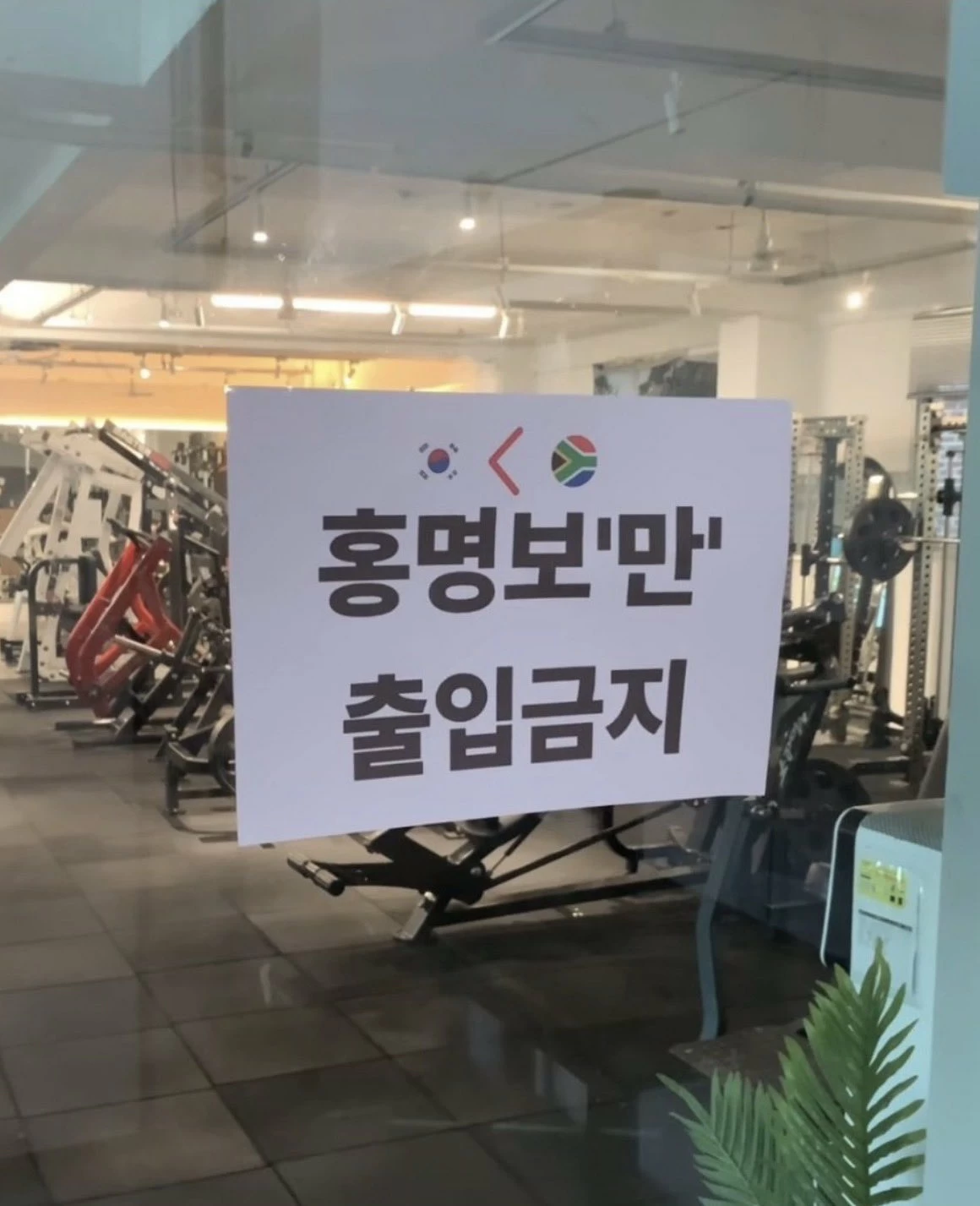
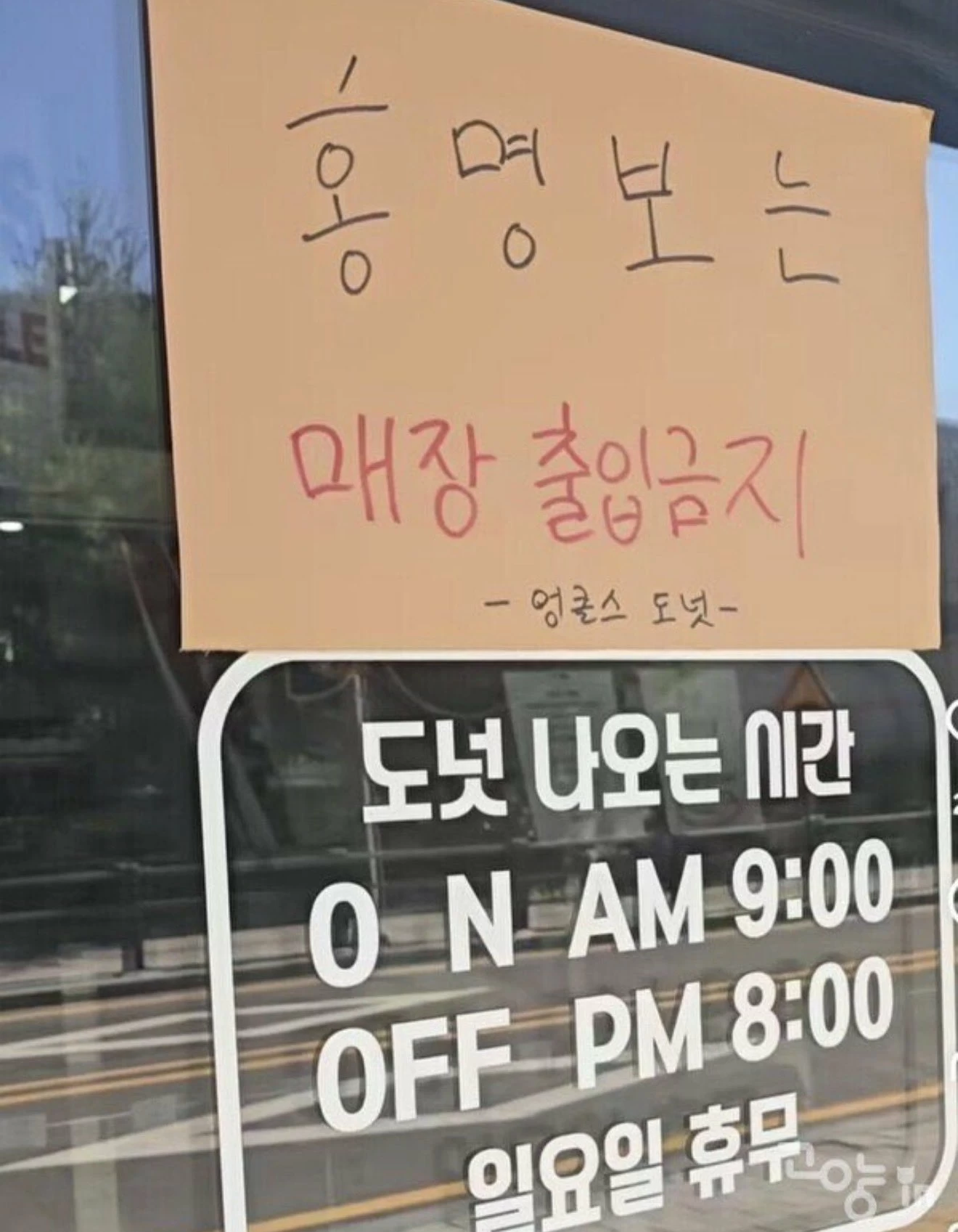
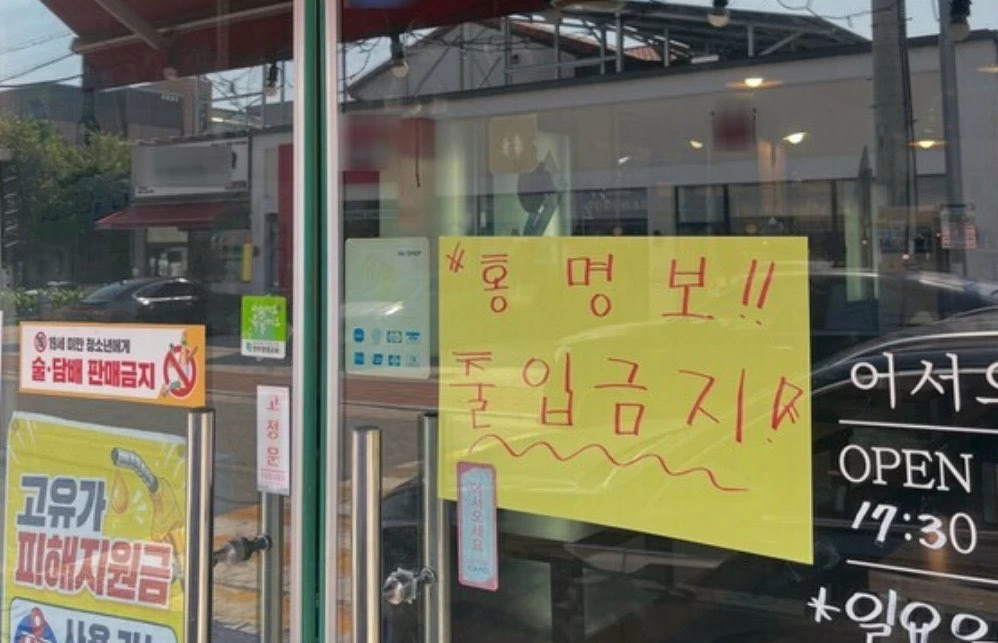
تحول الغضب الجماهيري في كوريا الجنوبية إلى ظاهرة لافتة عقب خروج المنتخب من دور المجموعات في كأس العالم 2026، بعدما علّقت العديد من المطاعم والمقاهي والمتاجر لافتات على أبوابها تحمل عبارة: «ممنوع دخول هونغ ميونغ بو»، في تعبير رمزي عن حالة السخط تجاه مدرب المنتخب.
ويُعد هونغ ميونغ بو أحد أبرز أساطير الكرة الكورية كلاعب، إلا أن مسيرته التدريبية مع المنتخب تعرضت لانتقادات حادة، بعدما ودع كأس العالم 2014 من دور المجموعات، قبل أن يعود لقيادة المنتخب مجدداً وسط جدل واسع بشأن طريقة تعيينه، رغم وجود أسماء تدريبية أجنبية بارزة كانت مرشحة لتولي المهمة.
وتكررت خيبة الأمل في مونديال 2026، بعدما فشل المنتخب الكوري الجنوبي مجدداً في تجاوز دور المجموعات، ما أشعل موجة غضب غير مسبوقة بين الجماهير، وصلت إلى تعليق لافتات تمنع المدرب من دخول بعض المحلات التجارية، إلى جانب تعرضه لانتقادات واسعة وتهديدات دفعت السلطات لتوفير حماية أمنية إضافية.
ولم تتوقف الأزمة عند حدود الشارع الرياضي، إذ أصدر رئيس كوريا الجنوبية، لي جاي ميونغ، بياناً شديد اللهجة طالب فيه وزارة الثقافة والرياضة والسياحة بفتح تحقيق شامل في أسباب الإخفاق، ومحاسبة كل من ثبتت مسؤوليته عن القرارات التي قادت إلى هذا الفشل، مؤكداً ضرورة إصلاح آليات إدارة كرة القدم واستعادة ثقة الجماهير.
The public anger in South Korea has turned into a notable phenomenon following the national team's exit from the group stage of the 2026 World Cup, as many restaurants, cafes, and shops hung signs on their doors reading: "No Entry for Hong Myung-bo," in a symbolic expression of discontent towards the team's coach.
Hong Myung-bo is considered one of the most prominent legends of Korean football as a player; however, his coaching career with the national team has faced severe criticism after the team exited the 2014 World Cup from the group stage. He returned to lead the team again amidst widespread controversy regarding his appointment, despite the presence of notable foreign coaching candidates who were considered for the role.
Disappointment was repeated in the 2026 World Cup, as the South Korean national team once again failed to advance beyond the group stage, igniting an unprecedented wave of anger among fans, which included hanging signs barring the coach from entering certain shops, alongside widespread criticism and threats that prompted authorities to provide additional security protection.
The crisis did not stop at the sports arena, as South Korean President Yoon Suk-yeol issued a strongly worded statement demanding the Ministry of Culture, Sports, and Tourism to conduct a comprehensive investigation into the reasons for the failure and hold accountable anyone found responsible for the decisions that led to this failure, emphasizing the need to reform football management mechanisms and restore public trust.