الأسطورة البرازيلية بيليه.. فخامة هذا الاسم تكفي عن أي سرد أو تعريف لموهبة غيّرت ملامح كرة القدم بالموهبة والأرقام التاريخية التي لم يُكسر بعضها حتى يومنا هذا.
وُلد أسطورة كرة القدم بيليه يوم 23 أكتوبر 1940 في مدينة ميناس جيرايس البرازيلية، أما سرد أرقامه التاريخية فهي قصة لا يمكن أن تصفها الأحرف ويكفي أن نقول إن اتحاد كرة القدم سماه لاعب القرن في عام 1999، كما أعلن «الفيفا» أنه أفضل هداف في تاريخ الاتحاد الدولي لكرة القدم ومنتخب البرازيل، حيث سجّل 1283 هدفاً في 1363 مباراة، من بينها 92 "هاتريك"، وهو الفائز بكأس العالم 3 مرات.
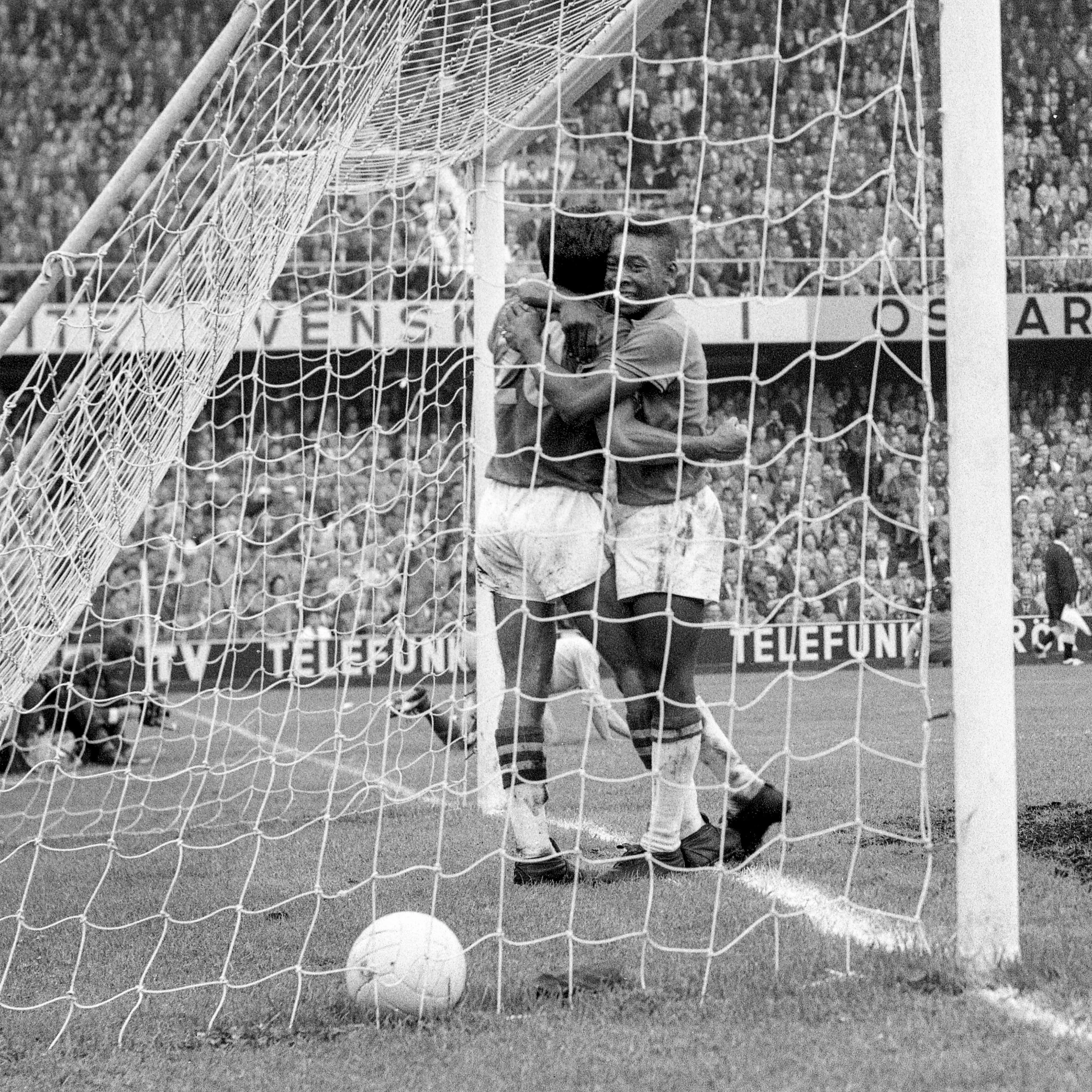
وفي سن 17 كان أصغر لاعب في فريق أبطال العالم عندما شارك منتخب السامبا في الفوز بأول كأس عالم عام 1958 لأول مرة في تاريخ منتخب السامبا، قبل أن يدون اسمه في سجلات شرف الفائزين عامي 1962 و1970 ليصبح أول وآخر لاعب في التاريخ يشارك في فوز منتخب بلاده في ثلاث بطولات لكأس العالم.
وقبل أن يتم العشرين اعتبرته الحكومة البرازيلية ثروة وطنية ومنعت تصديره وبالأحرى احترافه إلا في أخريات أيامه في الملاعب عندما استقطبه نادي كوزموس الأمريكي لنشر كرة القدم في الولايات المتحدة الأمريكية.
لعب أكثر من 1300 مباراة، في 80 بلداً، وسجل قرابة 1300 هدف، وأوقف حرباً بين بلدين، حيث توصلت نيجيريا وبيافرا إلى هدنة لمشاهدته وهو يلعب.
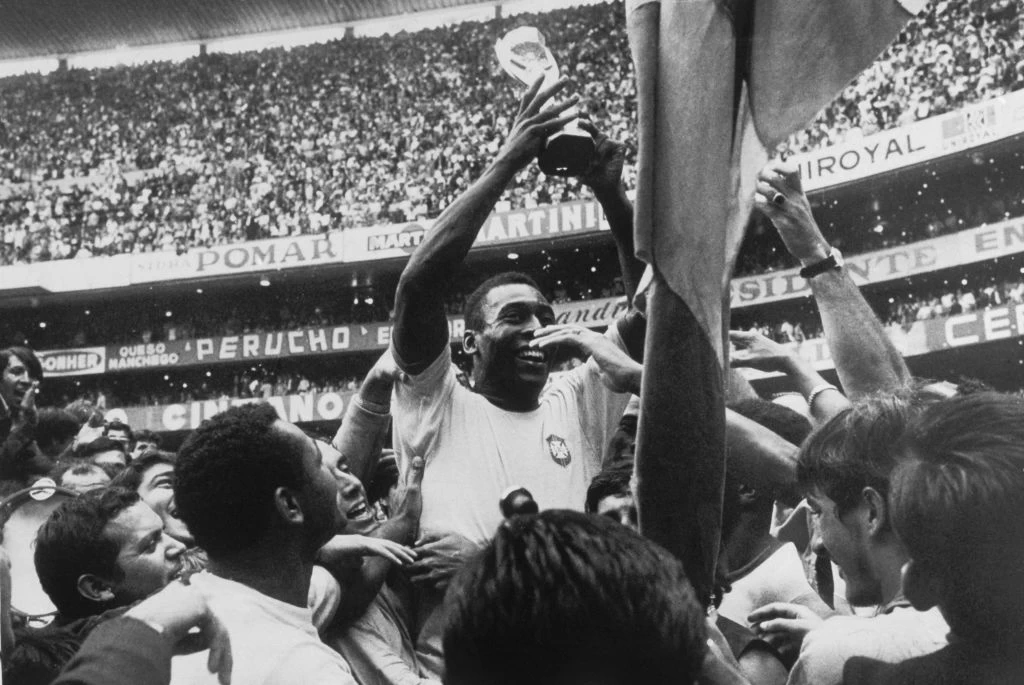
والصورة الملونة المنشورة له تعد بين الصور الأشهر في تاريخ كأس العالم، حيث وثقت لحظة فرحته العارمة بهدفه الافتتاحي في النهائي، حين التقى منتخبا البرازيل وإيطاليا في نهائي كأس العالم 1970 بالمكسيك، في لقاء تاريخي يتوج الفائز به بلقب كأس العالم للمرة الثالثة في تاريخه، ليحتفظ بالكأس المسمى «جول ريميه» إلى الأبد.
سجل بيليه الهدف الأول في اللقاء من رأسية خاطفة باغتت الحارس إنريكو ألبرتوزي في الدقيقة 18، ليقفز إلى زميله جايرزينيو الذي حمله بين ذراعيه ليحتفلا معاً بالهدف وعلى وجهه فرحة عارمة، ويرفع يده مبتهجاً باقتراب النصر، في واحدة من أشهر الصور في تاريخ المونديال.
أهداف بيليه في نهائيات كأس العالم:
6 في 1958
1 في 1962
1 في 1966
4 في 1970
The Brazilian legend Pelé.. The grandeur of this name is enough to describe a talent that changed the face of football with its skill and historical numbers, some of which remain unbroken to this day.
Pelé, the football legend, was born on October 23, 1940, in the Brazilian city of Minas Gerais. As for recounting his historical numbers, it is a story that words cannot fully capture; it suffices to say that the Football Association named him Player of the Century in 1999, and FIFA declared him the top scorer in the history of the International Football Federation and the Brazilian national team, having scored 1,283 goals in 1,363 matches, including 92 "hat-tricks," and he is a three-time World Cup winner.
At the age of 17, he was the youngest player in the World Champions team when he participated with the Samba team in winning the first World Cup in 1958, marking the first time in the history of the Samba team. He then etched his name in the honor roll of winners in 1962 and 1970, becoming the first and only player in history to participate in his country's victory in three World Cup tournaments.
Before turning twenty, the Brazilian government considered him a national treasure and prohibited his export, or rather his professional career, except in the later days of his playing career when he was recruited by the American Cosmos club to promote football in the United States.
He played over 1,300 matches in 80 countries and scored nearly 1,300 goals, and he halted a war between two countries, as Nigeria and Biafra reached a truce to watch him play.
The colored photo published of him is among the most famous images in World Cup history, capturing the moment of his overwhelming joy at his opening goal in the final when Brazil faced Italy in the 1970 World Cup final in Mexico, in a historic match that crowned the winner with the World Cup title for the third time in its history, allowing them to keep the trophy named "Jules Rimet" forever.
Pelé scored the first goal of the match with a quick header that surprised goalkeeper Enrico Albertosi in the 18th minute, jumping into the arms of his teammate Jairzinho, celebrating together with overwhelming joy on his face, raising his hand in delight as victory approached, in one of the most famous images in World Cup history.
Pelé's goals in World Cup finals:
6 in 1958
1 in 1962
1 in 1966
4 in 1970