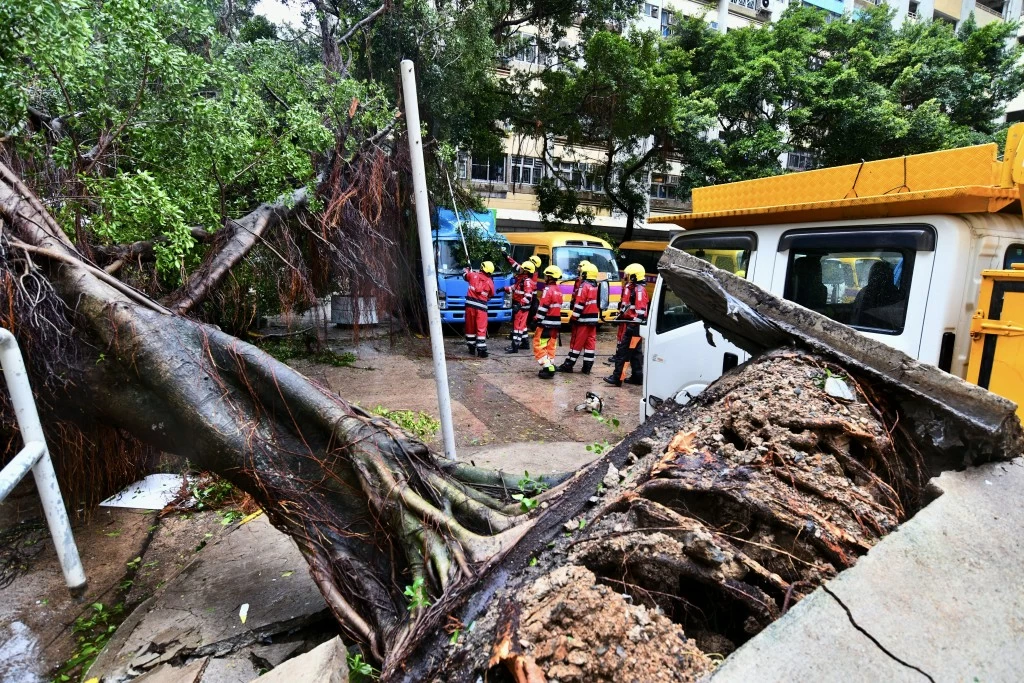
ضرب إعصار «نول» مناطق واسعة من جنوب الصين بعنف، حاملاً معه رياحاً عاتية وأمطاراً غزيرة تسببت في حالة استنفار واسعة، بعدما اضطرت السلطات إلى إجلاء مئات الآلاف من السكان وتعليق حركة النقل في عدد من المناطق المتضررة.
ووصل الإعصار إلى اليابسة على سواحل مقاطعة هويدونغ التابعة لمدينة هويتشو في مقاطعة قوانغدونغ، بما في ذلك مناطق قريبة من هونغ كونغ، وفقاً للمركز الوطني الصيني للأرصاد الجوية، وسط رياح بلغت سرعتها نحو 145 كيلومتراً في الساعة.
وأعلنت السلطات الصينية إجلاء أكثر من 340 ألف شخص من المناطق المعرضة للخطر في مقاطعة قوانغدونغ، ضمن إجراءات احترازية تهدف إلى حماية السكان وتقليل الخسائر المحتملة.
كما أدت قوة الإعصار إلى تعطيل حركة النقل، حيث أُوقفت خدمات القطارات في أجزاء من المقاطعة، إلى جانب تعليق وإلغاء عدد من الرحلات الجوية، فيما رفعت الجهات المختصة مستوى التأهب إلى أعلى درجاته لمواجهة تداعيات العاصفة.
وتواصل فرق الطوارئ والسلطات المحلية مراقبة مسار الإعصار وتقييم آثاره، مع استمرار اتخاذ الإجراءات اللازمة لضمان سلامة السكان والتعامل مع أي أضرار قد تنتج عن الأحوال الجوية القاسية.
The "Noul" typhoon violently struck vast areas of southern China, bringing with it fierce winds and heavy rains that caused widespread alertness, as authorities were forced to evacuate hundreds of thousands of residents and suspend transportation in several affected areas.
The typhoon made landfall on the coasts of the Huizhou city in Guangdong province, including areas near Hong Kong, according to the China National Meteorological Center, with winds reaching speeds of about 145 kilometers per hour.
Chinese authorities announced the evacuation of more than 340,000 people from at-risk areas in Guangdong province as part of precautionary measures aimed at protecting residents and minimizing potential losses.
The strength of the typhoon also disrupted transportation, as train services were halted in parts of the province, along with the suspension and cancellation of several flights, while relevant authorities raised the alert level to its highest degree to face the storm's repercussions.
Emergency teams and local authorities continue to monitor the path of the typhoon and assess its impacts, while taking necessary measures to ensure the safety of residents and address any damage that may result from the severe weather conditions.