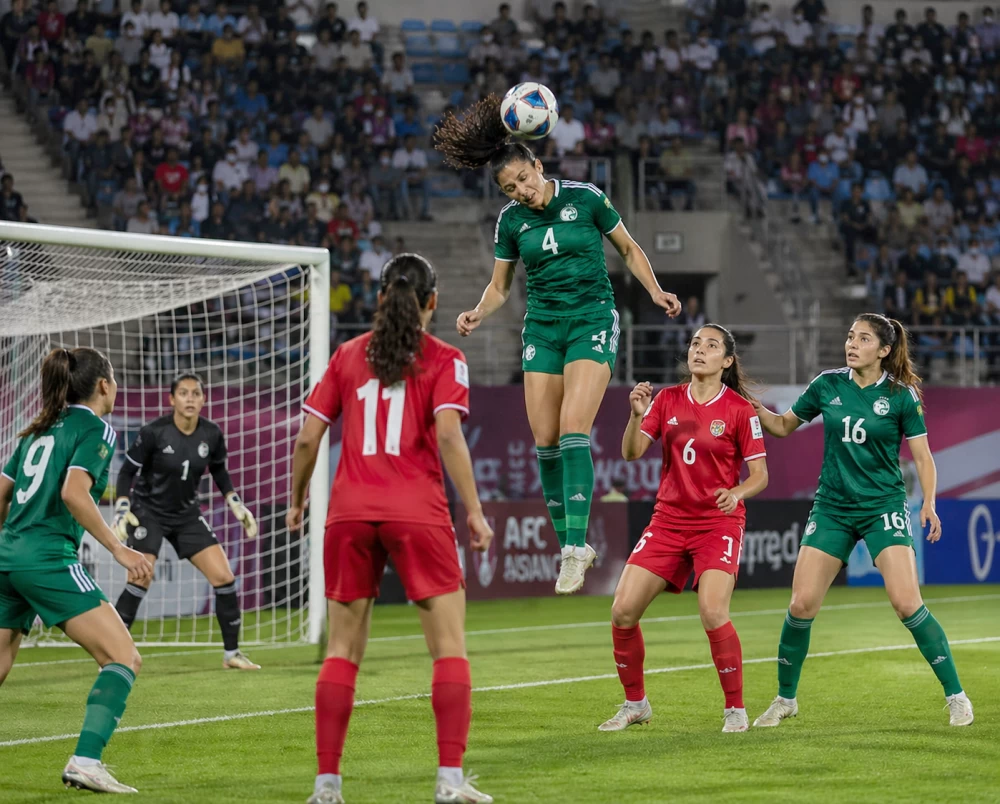
كشفت دراسة حديثة أجرتها جامعة أوتاغو في نيوزيلندا، أن تكرار ضرب الكرة بالرأس من قبل لاعبات كرة القدم قد يرتبط بزيادة خطر تعرضهن لارتجاجات دماغية أو أعراض مشابهة لها، حتى في الحالات التي لا يظهر فيها ارتجاج واضح بشكل فوري، فيما أشارت نتائج الدراسة إلى أن التأثير التراكمي لهذه الضربات قد ينعكس على القدرات الذهنية مثل التركيز والذاكرة مع مرور الوقت.
وبعرض موضوع الدراسة على استشارية المخ والأعصاب المهتمة بالشأن الرياضي الدكتورة مديحة السيد، قالت لـ«عكاظ»:
يعتبر استخدام الرأس في عالم كرة القدم أحد الجوانب الفنية المهمة في اللعبة، إلا أن هناك اختلافاً ملحوظاً بين اللاعبين واللاعبات في معدل استخدام هذه المهارة، فلاعبات كرة القدم أقل استخداماً للضربات الرأسية، ويعود ذلك إلى مجموعة من العوامل الصحية والبدنية والفنية والتكتيكية، التي تفرض نفسها داخل أرض الملعب، إذ إن البنية الجسدية تلعب دوراً مهماً في هذا الفارق، إذ تميل طبيعة كرة القدم النسائية في كثير من الأحيان إلى التركيز على المهارات الأرضية، مثل التمرير القصير والتحكم بالكرة وبناء الهجمات عبر الأرض، بدلاً من الكرات العالية والصراعات الهوائية.
وتابعت: كثرة استخدام الضربات الرأسية قد ترتبط ببعض المخاطر الصحية، خصوصاً على المدى الطويل ومنها التعرض لارتجاجات خفيفة متكررة في الدماغ، أو ما يعرف بـ«الصدمة الدماغية التراكمية»، التي قد تؤثر على التركيز والذاكرة في حال تكرارها بشكل كبير، كما أن تكرار الالتحامات الهوائية قد يزيد من احتمالية الإصابات في الرقبة والرأس، إذ أشارت بعض الأبحاث والدراسات الحديثة في مجالات الطب الرياضي، بما في ذلك أبحاث منشورة في المجلة البريطانية للطب الرياضي، إلى ضرورة تقنين تدريبات الضربات الرأسية خصوصاً لدى الفئات العمرية الصغيرة واللاعبات المحترفات، مع التركيز على أساليب تدريب بديلة تقلل من التعرض المتكرر للكرات العالية في التمارين اليومية.
وتؤكد الدكتورة مديحة في ختام حديثها أن التطور الحديث في كرة القدم النسائية يتجه نحو تعزيز السلامة الصحية للاعبات دون التأثير على جودة الأداء، مع رفع الوعي بأهمية الوقاية من الإصابات الدماغية، خصوصاً تلك الناتجة عن التكرار غير المنضبط للكرات الرأسية.
A recent study conducted by the University of Otago in New Zealand revealed that the repeated heading of the ball by female soccer players may be associated with an increased risk of sustaining concussions or similar symptoms, even in cases where no obvious concussion is immediately apparent. The study's results indicated that the cumulative effect of these headers could impact cognitive abilities such as concentration and memory over time.
When discussing the study with Dr. Madiha Al-Sayed, a neurology consultant interested in sports issues, she told "Okaz":
Using the head in the world of soccer is considered one of the important technical aspects of the game; however, there is a noticeable difference between male and female players in the rate of using this skill. Female soccer players utilize headers less frequently due to a combination of health, physical, technical, and tactical factors that come into play on the field. The physical structure plays a significant role in this difference, as the nature of women's soccer often tends to focus on ground skills, such as short passing, ball control, and building attacks through the ground, rather than high balls and aerial duels.
She continued: The frequent use of headers may be associated with certain health risks, especially in the long term, including exposure to repeated mild concussions, or what is known as "cumulative brain trauma," which could affect concentration and memory if repeated excessively. Additionally, repeated aerial confrontations may increase the likelihood of injuries to the neck and head. Some recent research and studies in the field of sports medicine, including published research in the British Journal of Sports Medicine, have indicated the necessity of regulating heading training, particularly among younger age groups and professional female players, while focusing on alternative training methods that reduce repeated exposure to high balls in daily practices.
Dr. Madiha emphasizes at the end of her discussion that the recent developments in women's soccer are moving towards enhancing the health safety of players without affecting performance quality, while raising awareness about the importance of preventing brain injuries, especially those resulting from uncontrolled repetition of headers.