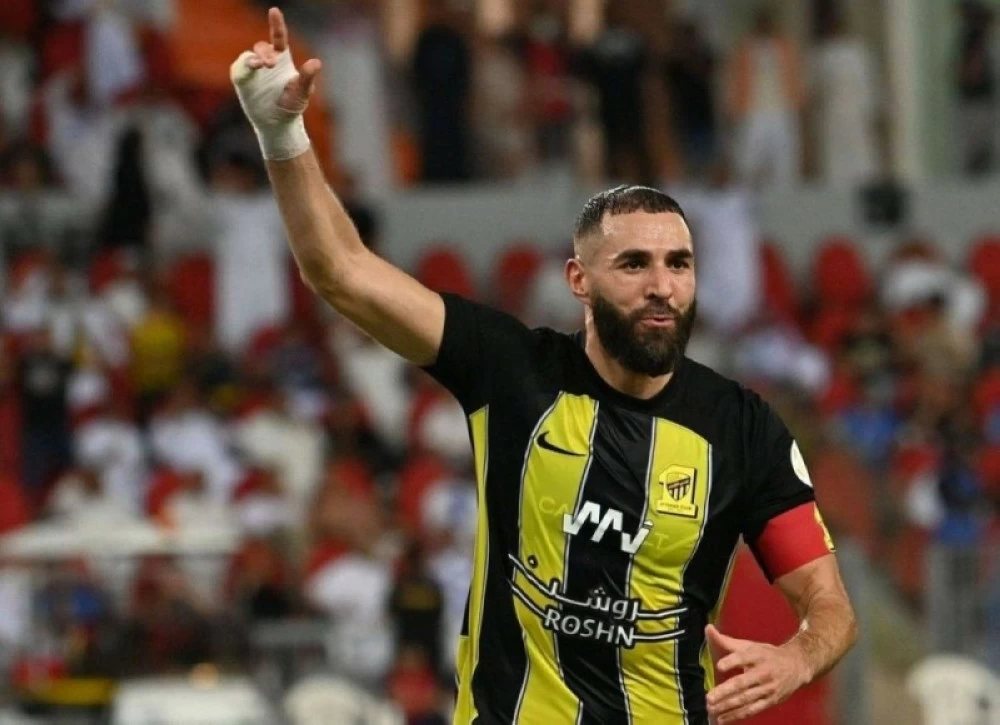
باتت ربطات «المعصم» ظاهرة لافتة في ملاعب كرة القدم، إذ يحرص عدد من اللاعبين على ارتدائها بشكل دائم، ما يثير التساؤلات عند الجماهير حول قصتها ودوافع انتشارها، فبين من يعتقد من اللاعبين أنها تجلب الحظ وتمنحه طاقة إيجابية داخل الملعب، ومن يرتديها بدافع الهوية الشخصية أو الموضة أو حتى لأسباب صحية مرتبطة بالراحة والدعم العضلي، إذ أصبحت هذه الربطات جزءاً من الصورة الذهنية لبعض النجوم.
ومع تزايد انتشارها بين اللاعبين يبرز السؤال: ما سر هذه الظاهرة؟ وكيف تحولت إلى رمز يتجاوز حدود الإكسسوار الرياضي؟
أسباب طبية ونفسية ووظيفية
رداً على ذلك يقول المختص في طب الرياضة وإصابات الملاعب الدكتور عادل بدري لـ«عكاظ»: ربطة المعصم التي يظهر بها عدد كبير من لاعبي كرة القدم خلال المباريات ليست مجرد تفصيل بسيط أو مظهر جمالي، بل قد تقف خلفها أسباب طبية ونفسية ووظيفية تختلف من لاعب لآخر، وعادة تستخدم ربطة المعصم غالباً وسيلةً لتحسين ثبات المفصل خصوصاً لدى اللاعبين الذين يتعرضون لضغط كبير على عضلات وأوتار اليد أثناء اللعب، سواء عند الالتحامات أو السقوط أو استخدام اليد للتوازن، وتساعد الربطة في توفير شعور إضافي بالثبات، مما يطمئن اللاعب خلال الأداء، وتتوفر هذه الربطات بألوان متعددة، إذ تتيح للاعبين اختيار لونهم المفضل، وفي ذلك تمييز شخصي عن اللاعبين الآخرين، وبجانب ذلك فإن اختيار اللون المفضل يمنحهم الدعم والراحة النفسية.
وعن سؤال: هل ربطات المعصم مرتبطة بالإصابات أو خرافات واعتقادات خاطئة ؟ يجيب د.بدري: لا أساس علمي لفكرة أن ربطة المعصم مرتبطة بالشعوذة أو الخرافات كما يظن البعض، لكن بعض اللاعبين يستخدمونها لأسباب نفسية بحتة ويتفاءلون بها، وهذا لا يتجاوز كونه جانباً شخصياً لا علاقة له بالأداء البدني، أما من الناحية الطبية فإن الربطة قد تستخدم فعلياً -كما أشرت- للحماية أو الوقاية عند وجود ضعف بسيط في أحد أربطة المعصم أو بعد التعافي من إصابة سابقة.
ليفاندوسكي
التقليل من الإصابات
وحول التأثير الصحي الناتج عن ربط المعصم لأكثر من 90 دقيقة، وهل تساعد اللاعبين في التقليل من الإصابات؟ يواصل د.بدري: ربط المعصم لفترات طويلة مثل 90 دقيقة لا يمثل خطراً إذا كانت الربطة مرنة وغير مشدودة بشكل مفرط، لكن في حال كانت مشدودة أكثر من اللازم فقد يحدث انخفاض في تدفق الدم إلى اليد، وتنميل أو خدر خفيف في الأصابع، وتيبّس بعد المباراة نتيجة الضغط الزائد، ولكن عادة فإن اللاعبين المحترفين غالباً ما يستخدمون ربطات طبية مخصصة تسمح بالحركة وتمنع هذه الأعراض، مع التنويه هنا أن ربطة المعصم لا تمنع الإصابات بشكل كامل، لكنها تقلل من احتمالية التواء المفصل أو تمدد الأربطة عند السقوط أو عند اصطدام اليد بالأرض، وهي مفيدة بشكل خاص للاعبين الذين عانوا سابقاً من إصابة في الرسغ وتحتاج أيديهم إلى دعم إضافي، وبشكل عام فإن ربطة المعصم تمنح إحساساً نفسياً وعضلياً بالراحة والاستقرار، خصوصاً للاعبين الذين يعتمدون كثيراً على حركة الذراعين في التوازن والالتحام، وبجانب ذلك فإن الشعور بالثبات يجعل اللاعب يؤدي بثقة أكبر ويقلل من الخوف من تكرار الإصابة.
وختم د.بدري حديثه بتأكيد أن ربطة المعصم تبقى في الأخير أكثر من مجرد قطعة قماش صغيرة، فهي مزيج من الانتماء والموضة والجانب النفسي الذي قد يمنح اللاعب ثقة إضافية داخل الملعب، ومع اختلاف الدوافع بين من يراها تفاؤل خير ومن يستخدمها وسيلةً للتعبير عن شخصية أو علاجاً طبياً، تظل هذه الظاهرة جزءاً من تفاصيل كرة القدم، التي تضيف لها طابعاً إنسانياً وفردياً، ومهما تنوعت التفسيرات فإن تأثير ربطة المعصم سيبقى حاضراً طالما بقي اللاعبون يبحثون عن أي عنصر يعزز حضورهم الذهني ويقربهم من لحظات التألق والشهرة.
The "wristbands" have become a striking phenomenon in football fields, as many players are keen to wear them consistently, which raises questions among fans about their story and the reasons for their spread. Some players believe that they bring good luck and provide positive energy on the field, while others wear them for personal identity, fashion, or even for health reasons related to comfort and muscle support. These wristbands have become part of the mental image of some stars.
With their increasing prevalence among players, the question arises: What is the secret behind this phenomenon? How did it transform into a symbol that transcends the boundaries of sports accessories?
Medical, Psychological, and Functional Reasons
In response, sports medicine and injury specialist Dr. Adel Badri told "Okaz": The wristband worn by many football players during matches is not just a simple detail or aesthetic appearance; rather, it may be backed by medical, psychological, and functional reasons that vary from player to player. Typically, the wristband is often used as a means to improve joint stability, especially for players who experience significant pressure on the muscles and tendons of the hand during play, whether during tackles, falls, or using the hand for balance. The wristband helps provide an additional sense of stability, which reassures the player during performance. These wristbands come in various colors, allowing players to choose their favorite color, which serves as a personal distinction from other players. Additionally, choosing a favorite color provides them with psychological support and comfort.
When asked: Are wristbands associated with injuries or superstitions and false beliefs? Dr. Badri responds: There is no scientific basis for the idea that the wristband is linked to witchcraft or superstitions as some may think. However, some players use them purely for psychological reasons and are optimistic about them, which is merely a personal aspect unrelated to physical performance. From a medical standpoint, the wristband can indeed be used—as I mentioned—for protection or prevention when there is slight weakness in one of the wrist ligaments or after recovering from a previous injury.
ليفاندوسكي
Reducing Injuries
Regarding the health impact of wearing a wristband for more than 90 minutes, and whether it helps players reduce injuries, Dr. Badri continues: Wearing a wristband for long periods, such as 90 minutes, does not pose a risk if the band is flexible and not overly tight. However, if it is too tight, it may cause a decrease in blood flow to the hand, mild tingling or numbness in the fingers, and stiffness after the match due to excessive pressure. Generally, professional players often use specialized medical bands that allow movement and prevent these symptoms. It is important to note that the wristband does not completely prevent injuries, but it reduces the likelihood of joint sprains or ligament strains during falls or when the hand hits the ground. It is particularly beneficial for players who have previously suffered a wrist injury and need additional support for their hands. Overall, the wristband provides a psychological and muscular sense of comfort and stability, especially for players who heavily rely on arm movements for balance and tackling. Furthermore, the feeling of stability allows the player to perform with greater confidence and reduces the fear of re-injury.
Dr. Badri concluded his remarks by emphasizing that the wristband remains more than just a small piece of fabric; it is a blend of belonging, fashion, and the psychological aspect that may give the player additional confidence on the field. With varying motivations among those who see it as a good omen and those who use it as a means of expressing personality or as a medical treatment, this phenomenon remains part of the details of football, adding a human and individual touch to it. Regardless of the interpretations, the impact of the wristband will continue to be present as long as players seek any element that enhances their mental presence and brings them closer to moments of brilliance and fame.