


بميزانيات تتجاوز 10 مليارات ريال، تواصل السعودية بناء نموذج رياضي يُدار بعقلية الاستثمار لا بالمصادفة.
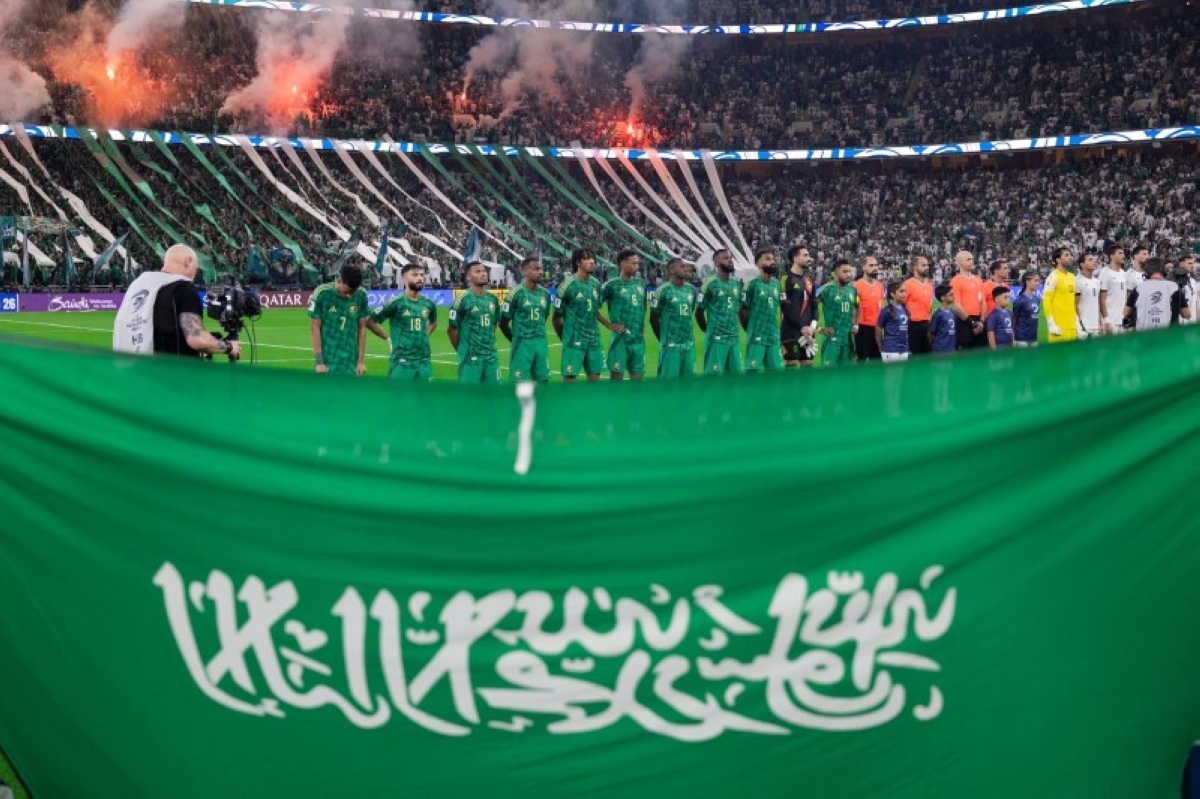
تأهُل المنتخب السعودي إلى كأس العالم 2026 يعكس بنية مالية قوية تقف خلفها وزارة الرياضة واتحاد القدم ومنظومة الأندية في تكاملٍ اقتصادي غير مسبوق.
وفق أرقام موازنة 2025، بلغت مخصصات قطاع الرياضة 6.6 مليار ريال موجهة لتطوير المنشآت والبنية التحتية وتحويل المدن الرياضية إلى محركات اقتصادية مستدامة. فيما خُصص 1.33 مليار ريال دعم مباشر للأندية في دوري روشن ودوري يلو لرفع كفاءة الحوكمة والالتزام المالي، وتطوير البيئة التشغيلية داخل الأندية.
ميزانية الاتحاد السعودي لكرة القدم وصلت إلى 1.516 مليار ريال، شملت الدعم الحكومي والرعاية والإيرادات التشغيلية، لتضع الاتحاد في مصافّ الكيانات الرياضية الأكثر استقرارا ماليا في آسيا. هذا الحجم من الإنفاق يعكس تحول الرياضة السعودية إلى قطاع إنتاجي متكامل يضخ الأثر في الناتج المحلي الإجمالي ويخلق فرص عمل واستثمارات رياضية مستدامة.
المنظومة المالية الجديدة في الرياضة السعودية أسست بيئة احترافية عززت الاستقرار الفني والإداري ووفرت قاعدة صلبة للأداء الميداني، فانعكس ذلك على النتائج داخل الملاعب وخارجها.
تأهُل الأخضر إلى مونديال أمريكا 2026 تأكيد على أن الإنفاق المنظم والرؤية الاقتصادية يصنعان الفارق حين تدار الرياضة بعقل الدولة واحتراف السوق.
انعكاس هذا الإنفاق الرياضي يتجاوز حدود الملاعب إلى بنية الاقتصاد الوطني، حيث تمثل الرياضة أحد محركات النمو غير النفطي ضمن مستهدفات رؤية 2030.
وفقا لتقديرات وزارة الاقتصاد، يسهم القطاع الرياضي بما يقارب 1.7% من الناتج المحلي غير النفطي، مع توقعات بتجاوز 3% بحلول 2030 بدعم من الاستثمارات الحكومية والخاصة في المنشآت والفعاليات والكوادر.
هذه الديناميكية تعكس فلسفة التحول في إدارة المالية العامة، وتخلق استثمارا منتجا يعزز تنويع الإيرادات ويخلق وظائف نوعية في مجالات التسويق، والإدارة، والبنية التحتية، والسياحة الرياضية.
وبينما يواصل المنتخب السعودي تألقه في طريق المونديال، تواصل القيادة السعودية هندسة نموذج رياضي اقتصادي متكامل، يضع الرياضة في قلب الاقتصاد الوطني لا على هامشه، لتصبح الملاعب جزءا من معادلة الناتج المحلي المستدام لا من تكاليفه.
مستهدفات رؤية 2030:
- يسهم في 1.7% من الناتج المحلي غير النفطي.
- ميزانية اتحاد القدم وصلت إلى 1.516 مليار.
- الإنفاق المنظم والرؤية الاقتصادية يصنعان الفارق.
السعودية تترجم الاستثمار الرياضي إلى نتائج عالمية
16 أكتوبر 2025 - 19:21
|
آخر تحديث 16 أكتوبر 2025 - 19:21




تابع قناة عكاظ على الواتساب
متعب العواد (حائل) Motabalawwd@
With budgets exceeding 10 billion riyals, Saudi Arabia continues to build a sports model managed with an investment mindset rather than by chance.
The qualification of the Saudi national team for the 2026 World Cup reflects a strong financial structure supported by the Ministry of Sports, the Football Federation, and a system of clubs in an unprecedented economic integration.
According to the 2025 budget figures, the allocations for the sports sector reached 6.6 billion riyals directed towards developing facilities and infrastructure, transforming sports cities into sustainable economic engines. Meanwhile, 1.33 billion riyals were allocated as direct support to clubs in the Roshan League and Yelo League to enhance governance efficiency and financial compliance, and to develop the operational environment within the clubs.
The budget of the Saudi Football Federation reached 1.516 billion riyals, which included government support, sponsorship, and operational revenues, placing the federation among the most financially stable sports entities in Asia. This level of spending reflects the transformation of Saudi sports into an integrated productive sector that impacts the gross domestic product and creates sustainable job opportunities and sports investments.
The new financial system in Saudi sports has established a professional environment that has enhanced technical and administrative stability and provided a solid foundation for field performance, which has been reflected in results both on and off the field.
The qualification of the Green team for the 2026 World Cup confirms that organized spending and economic vision make a difference when sports are managed with the mindset of the state and the professionalism of the market.
The impact of this sports spending extends beyond the confines of the stadiums to the structure of the national economy, where sports represent one of the non-oil growth drivers within the objectives of Vision 2030.
According to estimates from the Ministry of Economy, the sports sector contributes approximately 1.7% of the non-oil GDP, with expectations to exceed 3% by 2030, supported by government and private investments in facilities, events, and human resources.
This dynamism reflects the philosophy of transformation in public financial management, creating productive investments that enhance revenue diversification and create quality jobs in marketing, management, infrastructure, and sports tourism.
As the Saudi national team continues to shine on the road to the World Cup, Saudi leadership continues to engineer a comprehensive economic sports model, placing sports at the heart of the national economy rather than on its margins, making stadiums part of the equation for sustainable GDP rather than just costs.
Objectives of Vision 2030:
- Contributes 1.7% of the non-oil GDP.
- The budget of the Football Federation reached 1.516 billion.
- Organized spending and economic vision make a difference.
The qualification of the Saudi national team for the 2026 World Cup reflects a strong financial structure supported by the Ministry of Sports, the Football Federation, and a system of clubs in an unprecedented economic integration.
According to the 2025 budget figures, the allocations for the sports sector reached 6.6 billion riyals directed towards developing facilities and infrastructure, transforming sports cities into sustainable economic engines. Meanwhile, 1.33 billion riyals were allocated as direct support to clubs in the Roshan League and Yelo League to enhance governance efficiency and financial compliance, and to develop the operational environment within the clubs.
The budget of the Saudi Football Federation reached 1.516 billion riyals, which included government support, sponsorship, and operational revenues, placing the federation among the most financially stable sports entities in Asia. This level of spending reflects the transformation of Saudi sports into an integrated productive sector that impacts the gross domestic product and creates sustainable job opportunities and sports investments.
The new financial system in Saudi sports has established a professional environment that has enhanced technical and administrative stability and provided a solid foundation for field performance, which has been reflected in results both on and off the field.
The qualification of the Green team for the 2026 World Cup confirms that organized spending and economic vision make a difference when sports are managed with the mindset of the state and the professionalism of the market.
The impact of this sports spending extends beyond the confines of the stadiums to the structure of the national economy, where sports represent one of the non-oil growth drivers within the objectives of Vision 2030.
According to estimates from the Ministry of Economy, the sports sector contributes approximately 1.7% of the non-oil GDP, with expectations to exceed 3% by 2030, supported by government and private investments in facilities, events, and human resources.
This dynamism reflects the philosophy of transformation in public financial management, creating productive investments that enhance revenue diversification and create quality jobs in marketing, management, infrastructure, and sports tourism.
As the Saudi national team continues to shine on the road to the World Cup, Saudi leadership continues to engineer a comprehensive economic sports model, placing sports at the heart of the national economy rather than on its margins, making stadiums part of the equation for sustainable GDP rather than just costs.
Objectives of Vision 2030:
- Contributes 1.7% of the non-oil GDP.
- The budget of the Football Federation reached 1.516 billion.
- Organized spending and economic vision make a difference.


