


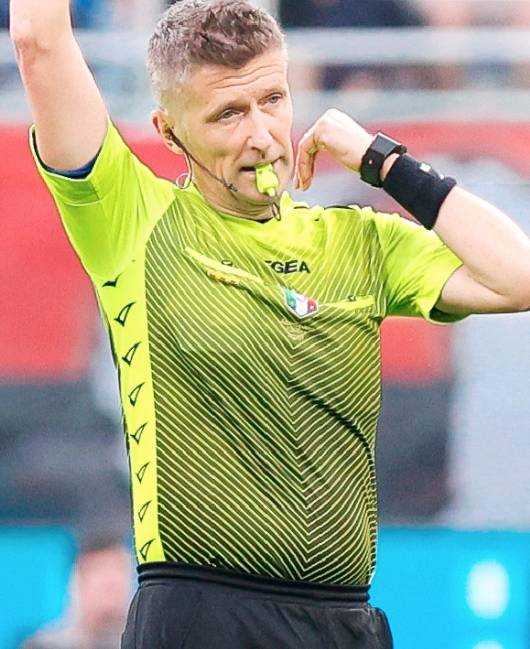
تتجه أنظار الجماهير في جميع المباريات صوب حكام الساحة الذين يديرون اللقاء؛ فهم العين الساهرة التي تحفظ عدالة المنافسة، وتضمن سير اللعبة بروح رياضية، ورغم أن نجوم الكرة يخطفون الأضواء عادة، يبقى الحكم هو العقل المدبّر في الميدان، يقف بين اللاعبين بصلابة واتزان، ممسكاً بزمام المباراة بحزم وعدالة، فالحكم ليس مجرد صافرة تطلق، بل هو قائد يقرأ تفاصيل اللعب، ويوازن بين حماس الجماهير وانفعالات اللاعبين.
ويظل السؤال: حكام الملاعب يُشجِّعون مَن؟ وهل ميولهم الانتمائية للأندية تؤثر على سير التحكيم؟
ورداً على السؤال يقول المستشار الاجتماعي والمهتم بالشأن الرياضي طلال محمد الناشري لـ«عكاظ»:
مهما كانت ميول حكام الملاعب الرياضية، وتحديداً في عالم كرة القدم، وتشجيعهم للأندية مثل بقية الجماهير، يظلون مسؤولين عن تطبيق قوانين اللعبة بشكل محايد وضمان سير المنافسة الرياضية بشكل صحيح وآمن داخل المستطيل الأخضر، فدورهم ينحصر في قيادة المباراة وفقاً للقواعد المحددة، دون أي اعتبار لميولهم أو انتمائهم لفريق محدد، ففي يوم مباراة فريقهم المفضل يكون الحكام محايدين وغير منحازين لأي طرف، ومطالبين بتطبيق القوانين. ويستشهد الناشري بالتصريح الناري الذي أطلقه الحكم الإسباني الدولي السابق إدواردو إيتورالدي غونزاليس، في وقت سابق، حول الحكام الذين يديرون المباريات المحلية عندما قال إن معظم الحكام في إسبانيا يشجعون ريال مدريد بنسبة 90% مقابل 10% لبرشلونة، ولكنهم لا يفصحون عن ذلك، إذ مطلوب منهم الحزم والعدالة والصدق والأمانة، وهناك ضوابط وقوانين رياضية يجب أن يتقيدوا بها، فالحكام لا يأتون من المريخ فهم يدخلون مجال التحكيم لأنهم يحبون كرة القدم ولهم ميول تشجيعية مثل بقية الجماهير الرياضية.
وتابع الناشري: هناك بعض النقاط المهمة في هذا الجانب، وهي: أن معظم الحكام الرياضيين في العالم قد يكونون مشجعين لفريق ما قبل دخولهم سلك التحكيم، وهذا أمر طبيعي، وبمجرد أن يصبح الشخص حكماً رسمياً يطلب منه أن يضع ميوله جانباً، وألا يعلن عنها أو يتصرف بما يوحي بتفضيل فريق على آخر، وفي حال لو كشف الحكم ميوله أو أظهرها علناً، فقد يتعرض لانتقادات حادة أو حتى عقوبات من اتحاد كرة القدم الذي يتبع له؛ لأن ذلك يثير الشكوك في نزاهة قراراته داخل الملعب، كما أن بعض الاتحادات تمنع الحكام من إدارة مباريات لفرق من مدينتهم نفسها أو فرق يعرف أنهم شجعوها سابقاً، لتفادي أي تضارب في المصالح، فالحكم بشر، وقد تكون له ميول، لكن يفترض أن تبقى سرّاً، وألا يظهرها بأي شكل؛ لأنها تمس مصداقيته.
وختم الناشري حديثه بالقول: لا يقتصر دور الحكم على الصفارة والبطاقات، بل يمتلك لغة خاصة توصل رسائله دون كلمات، فإشارة باليد وحركة بالرأس أو حتى نظرة حاسمة قد تكون كافية لفرض النظام داخل الملعب، فالثقة التي يبثها الحكم عبر لغة جسده تعكس هيبته وتمنح قراراته قوة مضاعفة، وتُشعر اللاعبين بأن العدالة حاضرة، حتى قبل أن ترفع البطاقة، إنها اللغة الصامتة التي لا يتقنها إلا الحكم النزيه والمتمرس.
لا يُفصحون عن انتمائهم للأندية..الحُكام يُشجّعون مَن ؟!
10 أكتوبر 2025 - 03:24
|
آخر تحديث 10 أكتوبر 2025 - 03:24


تابع قناة عكاظ على الواتساب
محمد داوود (جدة) mdawood77@
The eyes of the fans in all matches are directed towards the referees who manage the game; they are the vigilant eye that preserves the fairness of the competition and ensures that the game proceeds in a sportsmanlike manner. Although football stars usually steal the spotlight, the referee remains the mastermind on the field, standing firm and balanced among the players, holding the reins of the match with firmness and fairness. The referee is not just a whistle that is blown; he is a leader who reads the details of the game and balances the enthusiasm of the fans with the emotions of the players.
The question remains: Who do the referees support? And do their club affiliations affect their officiating?
In response to the question, social consultant and sports affairs enthusiast Talal Mohammed Al-Nashari told "Okaz":
No matter what the inclinations of the sports referees are, specifically in the world of football, and their support for clubs like the rest of the fans, they remain responsible for applying the laws of the game impartially and ensuring that the sports competition proceeds correctly and safely within the green rectangle. Their role is confined to leading the match according to the established rules, without any consideration for their inclinations or affiliation to a specific team. On the day of their favorite team's match, referees are neutral and not biased towards any side, and they are required to apply the laws. Al-Nashari cites the fiery statement made by former international Spanish referee Eduardo Iturralde González, earlier, regarding referees who manage local matches when he said that most referees in Spain support Real Madrid by 90% compared to 10% for Barcelona, but they do not disclose this, as they are required to be firm, fair, honest, and trustworthy. There are regulations and sports laws that they must adhere to, as referees do not come from Mars; they enter the field of officiating because they love football and have supportive inclinations like the rest of the sports fans.
Al-Nashari continued: There are some important points in this regard, which are: Most sports referees in the world may have been supporters of a team before entering the field of officiating, which is a natural thing. Once a person becomes an official referee, he is required to set aside his inclinations and not to announce them or act in a way that suggests favoritism towards one team over another. If a referee reveals or shows his inclinations publicly, he may face severe criticism or even penalties from the football association to which he belongs, as this raises doubts about the integrity of his decisions on the field. Additionally, some associations prohibit referees from officiating matches for teams from their own city or teams they are known to have supported previously, to avoid any conflict of interest. A referee is human and may have inclinations, but they are expected to remain a secret and not be displayed in any way, as it affects their credibility.
Al-Nashari concluded his remarks by saying: The role of the referee is not limited to the whistle and cards; he possesses a special language that conveys his messages without words. A hand signal, a nod of the head, or even a decisive glance may be enough to impose order on the field. The confidence that the referee exudes through his body language reflects his authority and gives his decisions added strength, making players feel that justice is present, even before the card is raised. It is the silent language that only an honest and experienced referee can master.
The question remains: Who do the referees support? And do their club affiliations affect their officiating?
In response to the question, social consultant and sports affairs enthusiast Talal Mohammed Al-Nashari told "Okaz":
No matter what the inclinations of the sports referees are, specifically in the world of football, and their support for clubs like the rest of the fans, they remain responsible for applying the laws of the game impartially and ensuring that the sports competition proceeds correctly and safely within the green rectangle. Their role is confined to leading the match according to the established rules, without any consideration for their inclinations or affiliation to a specific team. On the day of their favorite team's match, referees are neutral and not biased towards any side, and they are required to apply the laws. Al-Nashari cites the fiery statement made by former international Spanish referee Eduardo Iturralde González, earlier, regarding referees who manage local matches when he said that most referees in Spain support Real Madrid by 90% compared to 10% for Barcelona, but they do not disclose this, as they are required to be firm, fair, honest, and trustworthy. There are regulations and sports laws that they must adhere to, as referees do not come from Mars; they enter the field of officiating because they love football and have supportive inclinations like the rest of the sports fans.
Al-Nashari continued: There are some important points in this regard, which are: Most sports referees in the world may have been supporters of a team before entering the field of officiating, which is a natural thing. Once a person becomes an official referee, he is required to set aside his inclinations and not to announce them or act in a way that suggests favoritism towards one team over another. If a referee reveals or shows his inclinations publicly, he may face severe criticism or even penalties from the football association to which he belongs, as this raises doubts about the integrity of his decisions on the field. Additionally, some associations prohibit referees from officiating matches for teams from their own city or teams they are known to have supported previously, to avoid any conflict of interest. A referee is human and may have inclinations, but they are expected to remain a secret and not be displayed in any way, as it affects their credibility.
Al-Nashari concluded his remarks by saying: The role of the referee is not limited to the whistle and cards; he possesses a special language that conveys his messages without words. A hand signal, a nod of the head, or even a decisive glance may be enough to impose order on the field. The confidence that the referee exudes through his body language reflects his authority and gives his decisions added strength, making players feel that justice is present, even before the card is raised. It is the silent language that only an honest and experienced referee can master.


