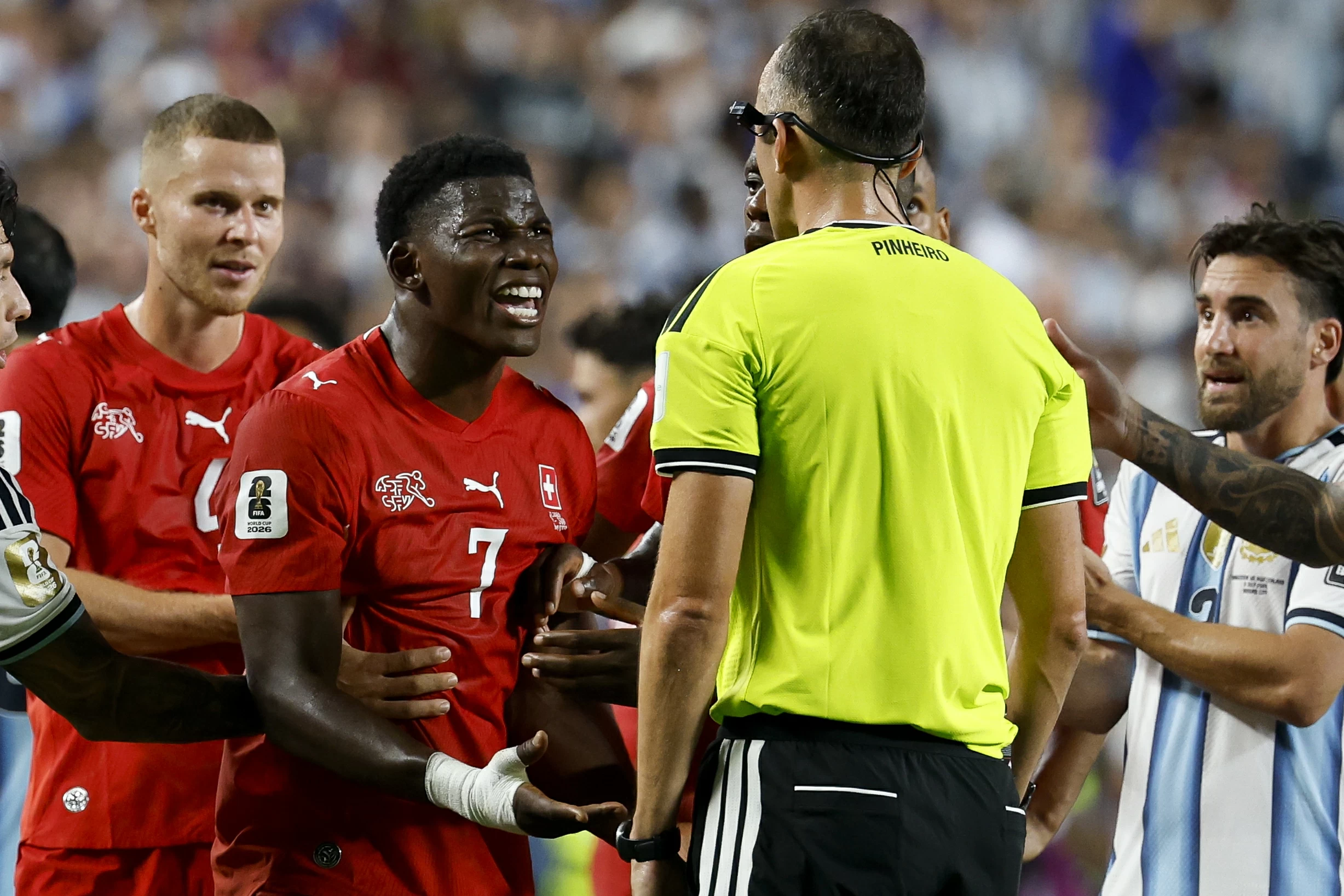
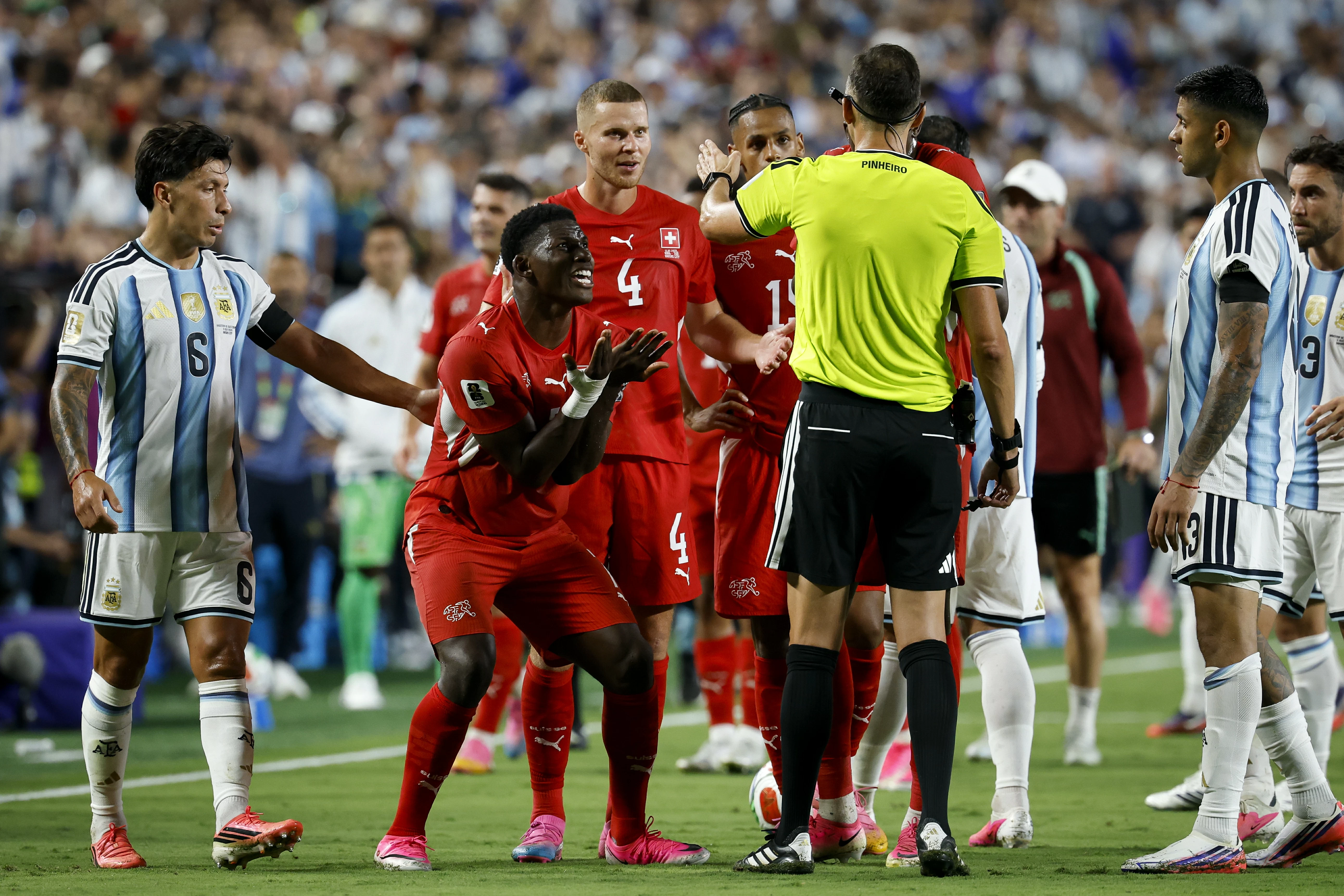
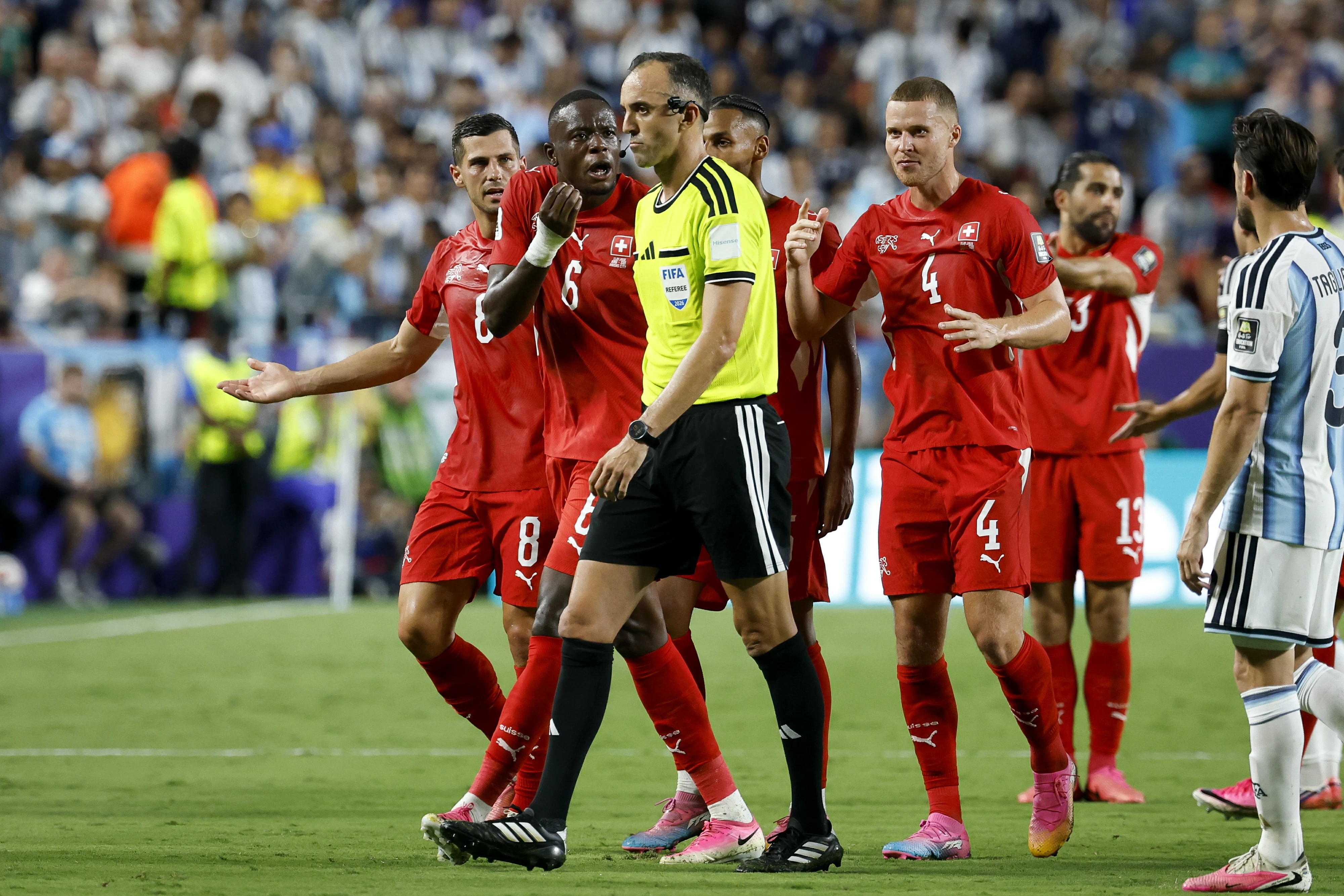
خرجت سويسرا من كأس العالم لكرة القدم وسط حالة من الغضب والجدل التحكيمي، بعدما اعتبرت أن طرد مهاجمها بريل إمبولو خلال مواجهة الأرجنتين في ربع النهائي كان نقطة التحول التي أثرت في مسار المباراة، التي انتهت بفوز المنتخب الأرجنتيني 3-1 بعد التمديد.
وأثار قرار الحكم إقصاء إمبولو في الشوط الثاني اعتراضات واسعة داخل المعسكر السويسري، بعدما تحولت لقطة احتكاكه مع الأرجنتيني لياندرو باريديس من مخالفة احتُسبت في البداية ضد لاعب الوسط الأرجنتيني إلى إنذار ثانٍ للمهاجم السويسري بعد مراجعة تقنية حكم الفيديو المساعد، ما أدى إلى طرده ومغادرته الملعب.
ووصف فابيان ريدر، لاعب وسط المنتخب السويسري، القرار بأنه «كارثي»، معبراً عن عدم فهمه للتدخل الذي حدث من غرفة الفيديو لتغيير مسار المباراة.
وقال ريدر عقب اللقاء: «لا أعرف ما الذي فعله الحكم في هذه الحالة، ولا أفهم لماذا تم استدعاؤه لمراجعة اللقطة. من الصعب أن يتدخل حكم الفيديو المساعد لتغيير مباراة بسبب موقف كهذا».
ولم يخفِ المدرب مراد ياكين استغرابه من القرار، مؤكداً أن اللقطة لم تكن تستحق من الأساس احتساب بطاقة صفراء بحق باريديس، معتبراً أن سلسلة القرارات التي أعقبت ذلك قادت إلى خسارة فريقه أحد أهم لاعبيه في المباراة.
وقال ياكين: «لم يكن هناك أي مبرر لمنح البطاقة الصفراء في البداية. كانت حالة عادية وغير مؤثرة، ولا أفهم كيف انتهت الأمور بطرد لاعبنا».
ودافع المدرب السويسري عن إمبولو، الذي بدا متأثراً للغاية أثناء مغادرته أرض الملعب، مؤكداً أن تحميله مسؤولية الخروج سيكون أمراً غير عادل. وأضاف: «كان محطماً لأنه لم يستطع مساعدة الفريق في اللحظات الحاسمة».
ورغم اللعب بـ10 لاعبين، أشاد ياكين بروح لاعبيه، مشيراً إلى أنهم واصلوا القتال حتى النهاية وكانوا قريبين من الوصول إلى ركلات الترجيح، حيث اعتقد أن الأفضلية النفسية كانت ستصب في مصلحتهم.
وقال: «قاتلنا بشدة حتى ونحن منقوصون. قدم الفريق مباراة رائعة، وكنا نرغب في الوصول إلى ركلات الترجيح لأن الزخم كان سيكون معنا».
ورفض ياكين اتهام المنتخب الأرجنتيني بالحصول على أفضلية تحكيمية، مؤكداً أن المواجهة كانت مفتوحة وأن الفريقين قدما كرة قدم جيدة، لكنه عبّر عن أسفه لأن النتيجة النهائية لم تكن في صالح سويسرا.
وختم قائلاً: «لا أعتقد أن هناك معاملة تفضيلية للأرجنتين. لعبنا مباراة جيدة، لكن في النهاية لم ننتصر. اليوم لم تكن كرة القدم هي الفائزة».
Switzerland exited the World Cup amid a state of anger and refereeing controversy, after they believed that the red card given to their striker Breel Embolo during the quarter-final match against Argentina was the turning point that affected the course of the game, which ended with the Argentine team winning 3-1 after extra time.
The referee's decision to send off Embolo in the second half sparked widespread objections within the Swiss camp, after the incident involving him and Argentine player Leandro Paredes changed from a foul initially called against the Argentine midfielder to a second yellow card for the Swiss striker following a review by the Video Assistant Referee (VAR), leading to his expulsion and departure from the field.
Fabian Rieder, the Swiss national team's midfielder, described the decision as "catastrophic," expressing his confusion over the intervention that occurred from the video room to change the course of the match.
Rieder said after the match: "I don't know what the referee did in this case, and I don't understand why he was called to review the incident. It's difficult for the VAR to intervene to change a match because of a situation like this."
Coach Murat Yakin did not hide his astonishment at the decision, confirming that the incident did not even warrant a yellow card against Paredes, considering that the series of decisions that followed led to his team losing one of their most important players in the match.
Yakin said: "There was no justification for giving the yellow card in the first place. It was a normal and non-influential situation, and I don't understand how things ended with our player being sent off."
The Swiss coach defended Embolo, who appeared to be deeply affected as he left the field, asserting that blaming him for the exit would be unfair. He added: "He was devastated because he couldn't help the team in the crucial moments."
Despite playing with 10 players, Yakin praised the spirit of his players, noting that they continued to fight until the end and were close to reaching penalties, where he believed the psychological advantage would have been in their favor.
He said: "We fought hard even when we were short-handed. The team played a great match, and we wanted to reach penalties because the momentum would have been with us."
Yakin rejected accusations that the Argentine team had a refereeing advantage, confirming that the match was open and both teams played good football, but he expressed regret that the final result was not in Switzerland's favor.
He concluded by saying: "I don't think there was preferential treatment for Argentina. We played a good match, but in the end, we did not win. Today, football was not the winner."