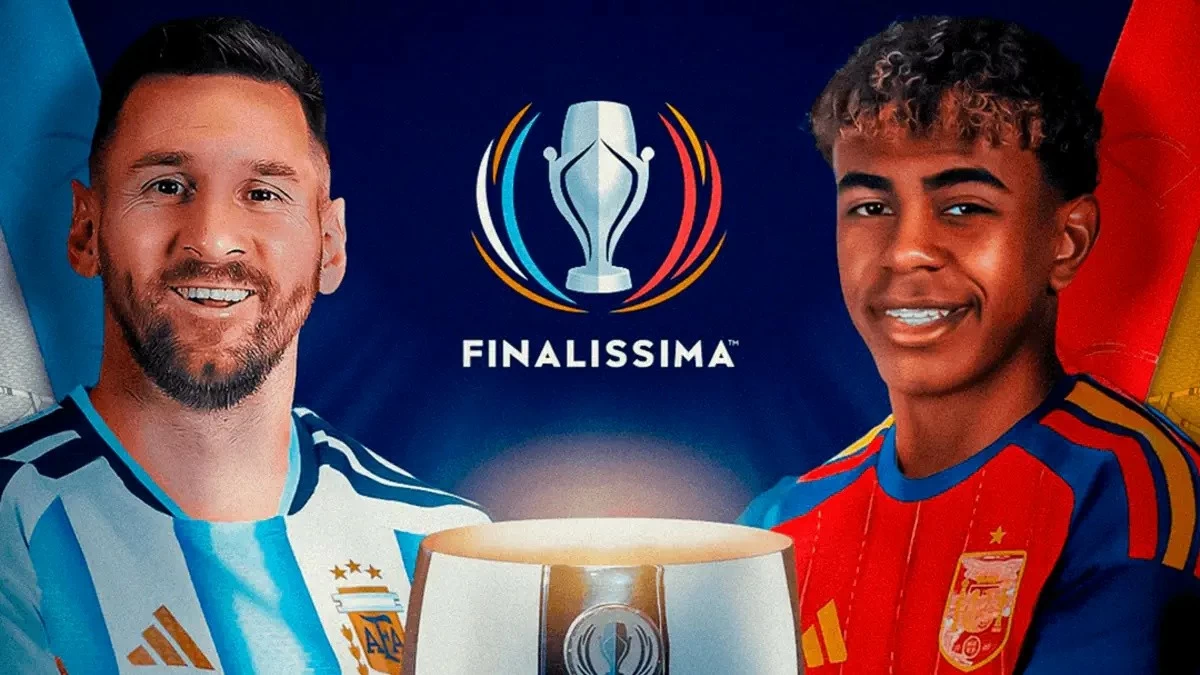
انتهت الجهود الرامية لتنظيم مباراة فيناليسيما 2026 بين منتخبي الأرجنتين وإسبانيا بالإلغاء، بعد تعثر التوصل إلى صيغة توافقية بشأن مكان وموعد إقامة اللقاء، وسط روايتين مختلفتين قدمهما كل من الاتحاد الأوروبي لكرة القدم (يويفا) والاتحاد الأرجنتيني لكرة القدم.
وكانت المباراة المرتقبة ستجمع بين منتخب إسبانيا بطل بطولة أمم أوروبا 2024 ومنتخب الأرجنتين بطل بطولة كوبا أمريكا 2024 ضمن البطولة التي أُطلقت في إطار الشراكة بين الاتحاد الأوروبي لكرة القدم واتحاد أمريكا الجنوبية لكرة القدم (كونميبول)، التي تجمع بطلي القارتين في مواجهة احتفالية رفيعة المستوى.
• ظروف إقليمية وتعثر في المفاوضات
وأوضح الاتحاد الأوروبي لكرة القدم أن اللقاء كان مقرراً إقامته في قطر يوم 27 مارس، غير أن «الظروف السياسية الراهنة في المنطقة» حالت دون تنظيمه هناك، رغم المشاورات المكثفة مع الجهات المنظمة القطرية، مشيراً إلى أن إلغاء المباراة يمثل «خيبة أمل كبيرة»، في ظل ما أثبتته قطر مراراً من قدرة على استضافة الأحداث الكروية الدولية الكبرى.
وأضاف البيان أن الاتحاد الأوروبي حاول إنقاذ المباراة عبر عدة مقترحات بديلة، من بينها إقامتها في ملعب سانتياغو برنابيو في مدريد في الموعد الأصلي مع تقسيم الحضور الجماهيري بالتساوي بين المنتخبين، أو تنظيمها بنظام مباراتي ذهاب وإياب، بحيث تُلعب المباراة الأولى في مدريد والثانية في بوينس آيرس خلال نافذة دولية لاحقة قبل بطولتي أمم أوروبا 2028 وكوبا أمريكا 2028.
كما اقترح الاتحاد الأوروبي إقامة المباراة في ملعب محايد داخل أوروبا يوم 27 أو 30 مارس، غير أن هذه الخيارات –بحسب البيان الأوروبي– لم تحظَ بموافقة الاتحاد الأرجنتيني لكرة القدم.
• الرواية الأرجنتينية: التمسك بالملعب المحايد
في المقابل، أكد الاتحاد الأرجنتيني لكرة القدم في بيانه أن اتحاد أمريكا الجنوبية لكرة القدم والاتحاد الأرجنتيني أبديا منذ البداية استعداداً لخوض المباراة في ملعب محايد، مشددين على أن إقامة مباراة واحدة في مدريد لا ينسجم مع مبدأ العدالة الرياضية، لكون الملعب يقع داخل الدولة التي يمثلها أحد طرفي المباراة.
وأشار البيان إلى أن الاتحادين القاريين كانا قد توصلا قبل أشهر إلى اتفاق مبدئي يقضي بإقامة المباراة في قطر، قبل أن يتم استبعاد هذا الخيار لاحقاً، ما دفع الأطراف المعنية إلى البحث عن بدائل أخرى.
وأوضح الاتحاد الأرجنتيني أنه تلقى في 14 مارس مقترحاً بإقامة المباراة في ملعب محايد داخل إيطاليا يوم 27 مارس، وأنه وافق على الفكرة دون تحفظ، مع اقتراح تأجيل الموعد إلى 31 مارس. غير أن الاتحاد الأوروبي لكرة القدم أبلغ لاحقاً بعدم إمكانية إقامة المباراة في هذا التاريخ، رغم أن الفارق لا يتجاوز 4 أيام عن الموعد المقترح.
• طريق مسدود
وبينما أشار الاتحاد الأوروبي لكرة القدم إلى أن الجانب الأرجنتيني اقترح إقامة المباراة بعد بطولة كأس العالم لكرة القدم، وهو خيار لم يكن ممكناً بسبب ازدحام جدول منتخب إسبانيا، انتهت المفاوضات في نهاية المطاف دون اتفاق، ليُعلن رسمياً إلغاء نسخة 2026 من بطولة فيناليسيما.
وفي ختام البيانين، أعرب الطرفان عن أسفهما لعدم تمكن المنتخبين من خوض المباراة، مع توجيه الشكر للسلطات في قطر على استعدادها للاستضافة، وكذلك إلى نادي ريال مدريد والاتحاد الإسباني لكرة القدم على التعاون والمرونة خلال محاولات تنظيم هذا اللقاء.
The efforts to organize the 2026 Finalissima match between the national teams of Argentina and Spain have ended in cancellation, after failing to reach a consensus on the location and timing of the match, amid two different narratives presented by both UEFA and the Argentine Football Association.
The anticipated match was set to bring together the Spanish national team, the champion of the UEFA Euro 2024, and the Argentine national team, the champion of the Copa America 2024, as part of the tournament launched under the partnership between UEFA and the South American Football Confederation (CONMEBOL), which features the champions of both continents in a high-profile celebratory match.
• Regional circumstances and stalled negotiations
UEFA clarified that the match was scheduled to take place in Qatar on March 27, but that "the current political circumstances in the region" prevented it from being organized there, despite extensive consultations with the Qatari organizing authorities, noting that the cancellation of the match represents a "great disappointment," given Qatar's repeated demonstration of its ability to host major international football events.
The statement added that UEFA attempted to salvage the match through several alternative proposals, including holding it at the Santiago Bernabéu Stadium in Madrid on the original date with an equal division of the audience between the two teams, or organizing it as a two-legged match, with the first game played in Madrid and the second in Buenos Aires during a later international window before the UEFA Euro 2028 and Copa America 2028 tournaments.
UEFA also proposed holding the match at a neutral venue within Europe on March 27 or 30, but these options – according to the European statement – did not receive the approval of the Argentine Football Association.
• The Argentine narrative: insisting on a neutral venue
In contrast, the Argentine Football Association confirmed in its statement that CONMEBOL and the Argentine association had expressed from the outset their readiness to play the match at a neutral venue, emphasizing that holding a single match in Madrid does not align with the principle of sporting fairness, as the stadium is located within the country represented by one of the teams.
The statement indicated that the two continental federations had reached a preliminary agreement months ago to hold the match in Qatar, before this option was later excluded, prompting the concerned parties to seek other alternatives.
The Argentine association explained that it received a proposal on March 14 to hold the match at a neutral venue in Italy on March 27, and it agreed to the idea without reservation, suggesting postponing the date to March 31. However, UEFA later informed that it was not possible to hold the match on this date, even though the difference was only 4 days from the proposed date.
• Deadlock
While UEFA indicated that the Argentine side proposed holding the match after the FIFA World Cup, a choice that was not feasible due to the busy schedule of the Spanish national team, the negotiations ultimately ended without an agreement, leading to the official announcement of the cancellation of the 2026 edition of the Finalissima.
At the end of both statements, both parties expressed their regret that the two teams could not play the match, thanking the authorities in Qatar for their willingness to host, as well as Real Madrid and the Spanish Football Federation for their cooperation and flexibility during the attempts to organize this encounter.