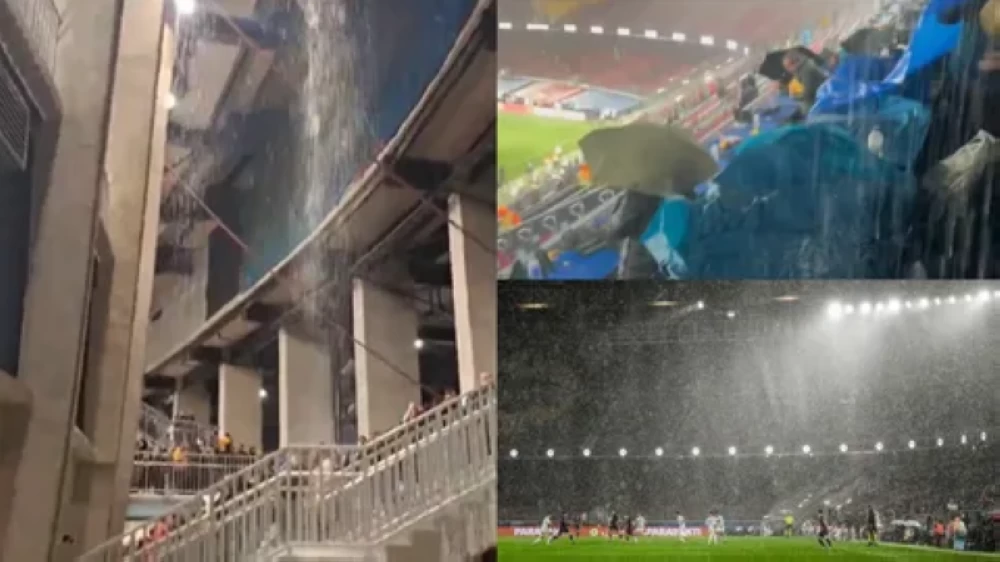
في مشهد لم يكن متوقعاً من أحد أكثر ملاعب العالم رمزية، شهد ملعب «كامب نو» حادثة لافتة بعدما تسربت مياه الأمطار إلى مقاعد مخصصة للإعلاميين وأجزاء من المدرجات، ما أثار موجة من الاستياء والتساؤلات حول إدارة المرحلة الانتقالية لأحد أضخم مشاريع التطوير في كرة القدم الأوروبية.
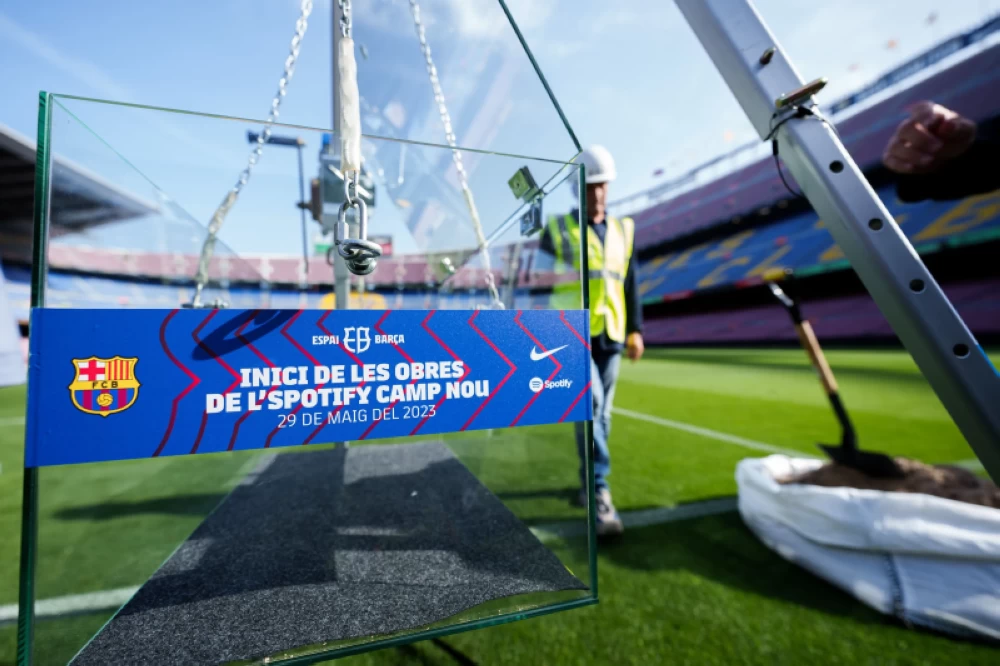
الواقعة جاءت في توقيت حساس، إذ يخضع معقل برشلونة التاريخي لعملية تجديد شاملة وطموحة، يُفترض أن تعيد رسم ملامح الملعب وفق أعلى المعايير الحديثة. غير أن ما حدث أعاد فتح النقاش حول قدرة النادي على الموازنة بين أعمال التطوير واستضافة المباريات الرسمية دون المساس بالحد الأدنى من الجاهزية والراحة.
الإعلام تحت الاختبار
اللافت أن تسرب المياه طال مناطق مخصصة لوسائل الإعلام، ما اضطُر عدداً من الصحفيين إلى تغيير أماكنهم أو اتخاذ تدابير سريعة لحماية معداتهم، في وقت تُنقل صورة «كامب نو» إلى ملايين المشاهدين حول العالم. المشهد، وإن بدا عابراً، حمل دلالات أعمق تتعلق بصورة التنظيم والاحترافية في أحد أبرز مسارح اللعبة.
ولم تقتصر المشكلة على المنصة الإعلامية، إذ سُجلت شكاوى مماثلة من جماهير في بعض المدرجات، وسط حالة من التذمر، خصوصاً أن الأمر يتعلق بعوامل تتصل بالسلامة والراحة العامة.
التجديد لا يبرر الإخلال
صحيح أن المشاريع الإنشائية الكبرى غالباً ما تصاحبها تحديات مؤقتة، وصحيح أن «كامب نو» يعيش مرحلة انتقالية معقدة، إلا أن ذلك -وفق مراقبين- لا يبرر حدوث مثل هذه المشاهد داخل ملعب يستضيف مباريات رسمية على أعلى مستوى تنافسي. فالتطوير، مهما بلغت طموحاته، لا ينبغي أن يأتي على حساب المعايير الأساسية للتنظيم والأمان.
تيباس يبعث برسالة هادئة
في هذا السياق، علّق رئيس رابطة الدوري الإسباني خافيير تيباس، على الحادثة بنبرة اتسمت بالهدوء، لكنها حملت رسالة واضحة المعالم. إذ أكد أن الرابطة تتابع جاهزية الملاعب بشكل مستمر، وأن المعايير التنظيمية تظل قائمة حتى في ظل مشاريع التحديث والتجديد.
تصريح تيباس فُهم على نطاق واسع كتنبيه مباشر مفاده أن التطوير مرحّب به، لكن صورة «الليغا» ومكانتها لا تحتمل أخطاء تمس التنظيم أو تجربة الجماهير والإعلام.
In an unexpected scene from one of the world's most iconic stadiums, the "Camp Nou" witnessed a notable incident as rainwater seeped into seats designated for journalists and parts of the stands, sparking a wave of discontent and questions regarding the management of the transitional phase of one of the largest development projects in European football.
The incident occurred at a sensitive time, as Barcelona's historic stronghold is undergoing a comprehensive and ambitious renovation, which is supposed to reshape the stadium according to the highest modern standards. However, what happened reopened the discussion about the club's ability to balance development work and hosting official matches without compromising the minimum level of readiness and comfort.
The media under scrutiny
It is noteworthy that the water seepage affected areas designated for the media, forcing several journalists to change their locations or take quick measures to protect their equipment, at a time when the image of "Camp Nou" is being broadcast to millions of viewers around the world. The scene, although seemingly fleeting, carried deeper implications related to the image of organization and professionalism in one of the game's most prominent stages.
Moreover, the problem was not limited to the media platform, as similar complaints were recorded from fans in some stands, amidst a state of discontent, especially since the matter relates to factors concerning safety and general comfort.
Renovation does not justify negligence
It is true that major construction projects often come with temporary challenges, and it is true that "Camp Nou" is experiencing a complex transitional phase, yet this - according to observers - does not justify the occurrence of such scenes inside a stadium that hosts official matches at the highest competitive level. Development, no matter how ambitious, should not come at the expense of the basic standards of organization and safety.
Tebas sends a calm message
In this context, the president of the Spanish League, Javier Tebas, commented on the incident with a tone that was calm but carried a clear message. He confirmed that the league continuously monitors the readiness of stadiums and that organizational standards remain in place even amid modernization and renovation projects.
Tebas's statement was widely understood as a direct warning that while development is welcome, the image and status of "La Liga" cannot afford mistakes that affect organization or the experience of fans and the media.