
معظم نجوم الطرب والغناء في دول الخليج العربية من الأوائل، بدأ مشواره الفني وسط ظروف معيشية صعبة وفي ظل مجتمعات محافظة كانت تحارب الفن والغناء وتنظر إلى أصحابه نظرة استهجان وعدم احترام، بل كان هؤلاء في مجتمعات خليجية معينة منبوذين ومتهمين بنشر الفساد واللهو على حساب الدين والعادات والتقاليد المتوارثة. لذا قلما نجد بينهم من لم يعانِ ويتألم ويُطعن في شرفه ويقاسي الأمرين في سبيل تطوير مواهبه الفنية.
تلك كانت مقدمة لا بد منها للحديث عن شخصية من الساحل الشرقي للمملكة العربية السعودية، نسيه الكثيرون ولم يعد اسمه يتردد اليوم في الأدبيات الموسيقية، على الرغم من تشبثه بمواهبه ومحاولته الجسورة في إبراز اسمه على الصعيد الفني في الزمن الصعب، ومقاومته لكل المحاذير والمعوقات الاجتماعية السائدة آنذاك.
قدمه الإعلامي محمد الخميسي في برنامج «وينك» على شاشة قناة «روتانا خليجية» يوم 19 نوفمبر 2014 قائلاً: «من الصعب أن تجد الأسئلة مكاناً لروح فنان لم يهادنه الزمن على الدوام، ولم يقف معه الأصدقاء كما يجب، وهو الذي أوقد من روحه فتيل الهوى الصافي للحب والأهل والأرض. والعاشقين على السواء. الصوت الذي وهبته النخيل للأحساء ليغني بلون التمر وطعم التين والليمون والرمان».
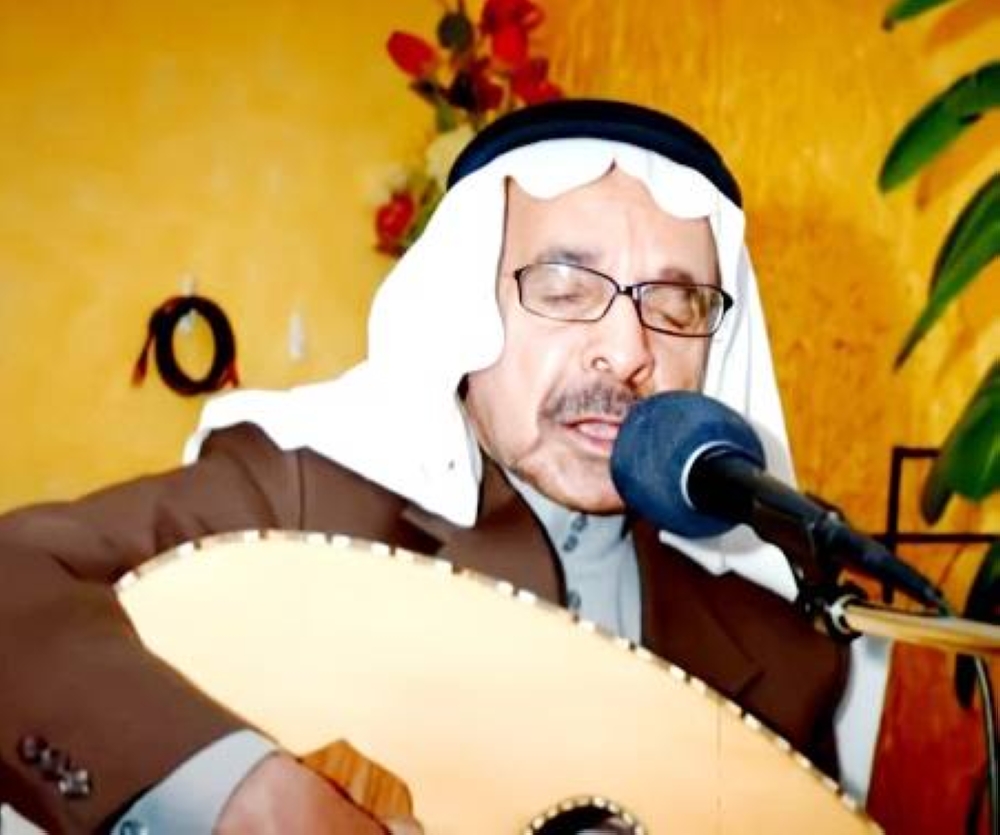
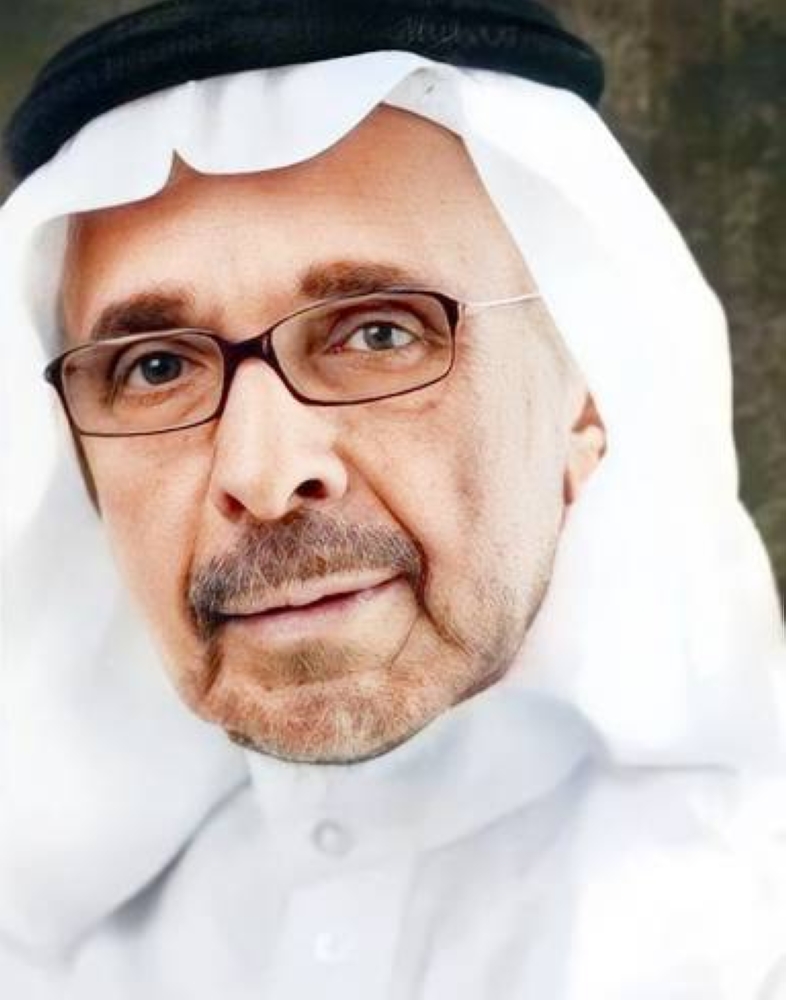
حديثنا في هذه المادة هو عن المغني والملحن والفنان الشعبي السعودي «مطلق دخيل العويس» الشهير فنيا باسم «مطلق الدخيل»، الذي وُلد في السابع عشر من سبتمبر من عام 1936 (1355 للهجرة) بحي السبايب من مدينة المبرز الواقعة بمحافظة الأحساء السعودية، ابناً لعائلة متوسطة الحال. اشتهر الرجل معظم سنوات مسيرته الفنية بكنية «أبو عيسى»، قبل أن يتزوج ويرزق بابنه البكر الذي اختار له اسم إبراهيم، الشائع في مجتمعه الأحسائي، علماً بأن الأخير اقتفى أثر والده فصار هو الآخر فناناً حينما كبر، إذ التحق بشركة أرامكو وتمكن من التوفيق بين العمل والدراسة وممارسة هواة العزف على العود، تاركاً خلفه أحلامه بأن يصبح طياراً، إلى أن نال شهادة الدكتوراه في الإدارة، وأصبح ملحناً قديراً يشارك في تلحين المسرحيات ويمثل وطنه في المهرجانات الموسيقية الدولية.
التحق مطلق الدخيل بالعمل في الأمن العام مسؤولاً عن قسم الصادر والوارد، شأنه في ذلك شأن أسماء فنية سعودية عملت وخرجت من سلك الأمن، مثل الفنان القدير جميل محمود، أو عملت وخرجت من سلك القوات المسلحة مثل الفنان الكبير الموسيقار طارق عبدالحكيم (1918 ــ 2012)، الذي يُعد الأب الروحي للأغنية السعودية المطورة، وأول من طار بها إلى خارج حدود بلاده. ومما ذكره الدخيل في حوار معه في برنامج «وينك» المشار إليه، أن طارق عبدالحكيم استمع إلى صوته وعزفه خلال زيارة له إلى ستوديو تسجيل في الدمام، كان يملكه الفنان الإماراتي «محمد سهيل الكتبي» المقيم آنذاك بالدمام وأول من سجل لطارق أغنيته الشهيرة «تعلق قلبي»، فأُعجب طارق بما سمعه وتمنى مقابلة صاحبه، وهو ما حدا بالكتبي إلى استدعائه من الأحساء على عجل لمقابلة الفنان طارق عبدالحكيم.
أما تعلق الدخيل بالفن والطرب والموسيقى فقد بدأ في مطلع الخمسينات من القرن العشرين وهو في سن السابعة عشرة من عمره أو نحو ذاك، بتأثير من صديق والده خليل الرشيد، الذي كان يمتلك عوداً ويعزف عليه في جلسات السمر الخاصة. وقتها كان الطرب محظوراً في السعودية فكان هواة الغناء والموسيقى يمارسون هوايتهم خفية من خلال الجلسات الطربية الخاصة داخل غرف ومجالس مغلقة، وكان الدخيل أحد هؤلاء. لكن حبه للفن جعله يقدم في عام 1960 على تجربة جريئة بمقاييس زمنه، تجلت في تأسيس فرقة موسيقية بقيادته وعضوية عدد من أصدقائه المقربين. غير أن العائق الأبرز أمام ممارسة الفرقة لنشاطها السري تمثل في عدم توفر الآلات الموسيقية آنذاك بسبب حظر استيرادها وبيعها، ناهيك عن رفض من كان يمتلك أى آلات إعارتها للآخر، وهو الأمر الذي حرم المطلق وزملاءه من التدرب والتمرن على عزف أغاني أعلام الموسيقى المصرية والشامية والعراقية أو عزف أغانٍ من التراث الشعبي الخليجي والأحسائي.
وهكذا نجده وزملاءه يتحدون تلك الظروف بصناعة آلات موسيقية بدائية، مستخدمين صفائح الزيت المعدنية وصناديق الشاي الخشبية الفارغة مع شد أوتار بلاستيكية عليها من تلك التي تستخدم في صيد السمك، فنجحوا في صناعة عود بدائي وآلة كمان بدائية وبعض المراويس والطبول، وبدأوا تمارينهم في العزف والغناء استعداداً ليوم تنجلي فيه الأمور وتتحرر فيه الموسيقى من القيود، وتزول المحظورات ويتم خلاله الاعتراف بمواهبهم.
وقد تحققت أمنياتهم بسرعة لحسن حظهم، إذ كان تولي المغفور له الملك سعود بن عبدالعزيز مقاليد الحكم في التاسع من نوفمبر 1953 خلفاً لوالده الراحل الملك المؤسس طيب الله ثراه، ثم قيام جلالته بأول زيارة له كملك إلى المنطقة الشرقية من بلاده عام 1954، مناسبة عمت فيها الأفراح، طرباً وغناء ورقصاً، أرجاء المملكة قاطبة ومدن المنطقة الشرقية بصورة خاصة، ليُعلن على إثر ذلك السماح بالغناء وتسويق واستيراد الأسطوانات وأجهزة الغرامفون وبيع الآلات الموسيقية. ويذكر الدخيل، أنه غنى شخصياً أمام الملك الزائر في احتفال شعبي كبير أقيم على شرف جلالته في الأحساء، مؤدياً أغنية كتبها على عجل الشاعر حمدان بن ناصر ولحنها الدخيل بنفسه ومطلعها: «لك سلامي أيها الملك العظيم/ لك سلامي أيها القلب الكبير».
على أن طموح الدخيل كان أكبر من ذلك، فقد كان يطمح للشهرة وإبراز مواهبه والوصول إلى أكبر عدد من الجمهور المتعطش للطرب من خلال الأثير وبرامج الإذاعة الموسيقية، فلم يجد سبيلاً إلى ذلك سوى اللجوء إلى إذاعة البحرين اللاسلكية، التي كان بثها يصل بوضوح إلى مختلف مدن الساحل الشرقي من المملكة في أعقاب تدشينها رسمياً في الحادي والعشرين من يوليو 1955. وبالفعل طلب الدخيل من رؤسائه في الأمن العام إجازة من أجل السفر بحراً إلى البحرين للاشتراك في برنامج كانت محطة إذاعة البحرين تبثه تحت اسم «سهرة مع فنان»، غير أن رؤساءه لم يوافقوا على طلبه، الأمر الذي أصابه بالإحباط. وخروجاً من هذا المأزق وتحقيقاً لطموحه قرر أن يجازف ويتغيب عن عمله كي يسافر إلى البحرين ويسجل في البرنامج الإذاعي المذكور. عاد الدخيل من البحرين وذهب لمباشرة عمله متذرعاً بالمرض كسبب لغيابه عن عمله عدة أيام، لكن الحيلة لم تنطلِ على رؤسائه لأنهم عرفوا بوجوده في البحرين من خلال استماعهم له وهو يغني في إذاعة البحرين. وهكذا كان عقاب الدخيل على تركه العمل دون الحصول على إذن من مرجعه هو توقيفه وإيداعه السجن لمدة خمسة أيام.
«تاه الود»
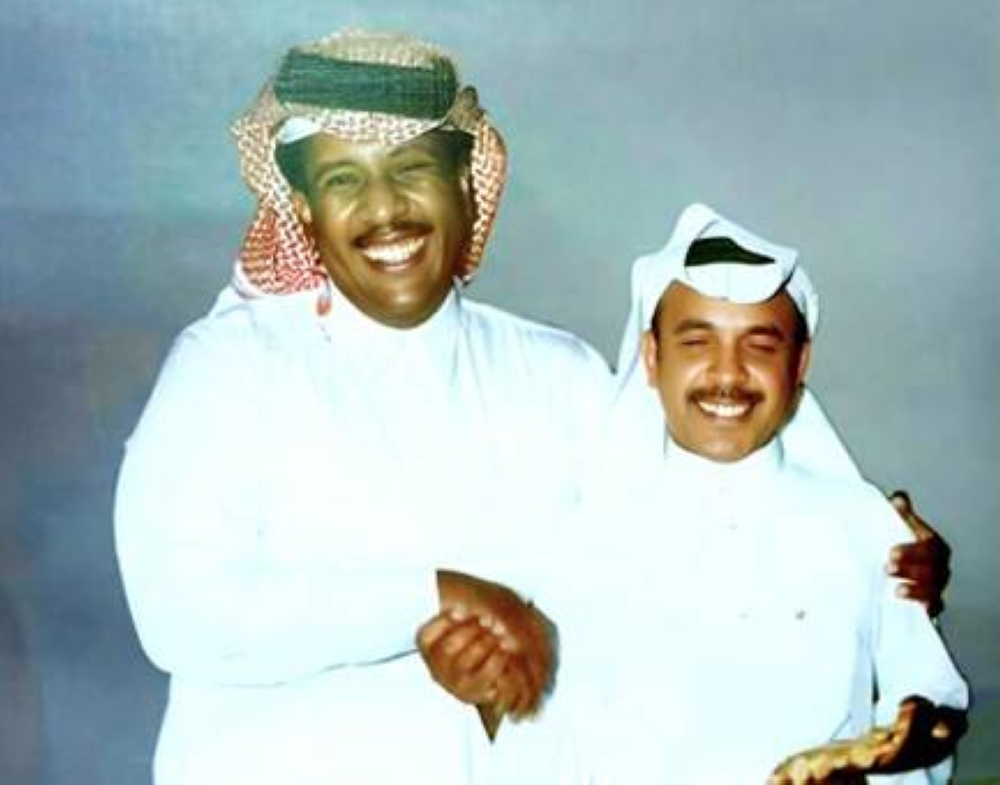
تكررت زيارات فناننا إلى البحرين سعياً وراء تسجيل أغانيه على أسطوانات القار القديمة لدى ستوديوهات التسجيل المنتشرة آنذاك في البحرين، مثل تسجيلات الساعاتي وتسجيلات سالم فون وأنور فون وإسماعيل فون وإبراهيم فون وجرجي فون وغيرها. وبالفعل سجل أول أسطوانة له في عام 1958 وتلتها أسطوانات أخرى في عام 1960، فساهمت تلك الأسطوانات في انتشار اسمه على مستوى المملكة والخليج، لاسيما بعد أن أشهر فرقته الموسيقية الخاصة في عام 1962، التي شاركه في تأسيسها صديقه العازف عبدالله العماني، وحملت اسم «فرقة هجر الموسيقية» وتكونت من ستة عازفين بالإضافة إلى المؤسسين وهم: صالح العباد (على الكمان) ومحمد سنبل (على الناي) وصالح العسوم (على القانون) وعبدالعزيز التمار (على الرق) وتركي المروس (على الإيقاع). حيث راحت الفرقة تنشط في حفلات الأندية الرياضية وتحديداً نادي الفتح بالمبرز، وكذلك مناسبات الأفراح والزواج واحتفالات الأعياد وحفلات تكريم موظفي شركة أرامكو وغيرها.
على أن انتشاره وتعرف الجمهور الأعرض عليه صوتاً وصورة تحقق في عام 1960، من خلال أغنية سجلها في محطة تلفزيون أرامكو من الظهران، التي كانت قد بدأت الإرسال في السادس عشر من أيلول (سبتمبر) من عام 1957 كأول قناة تلفزيونية ناطقة بالعربية في شبه الجزيرة العربية والخليج العربي. توالت بعد ذلك مشاركات الدخيل وفرقته في محطة تلفزيون أرامكو، التي اتفقت إدارتها معه على تقديم المعزوفات الموسيقية المرافقة للبرامج والمسابقات الثقافية، وهذا ساعده بدوره في الوصول إلى تلفزيون الدمام الحكومي بعد تدشينه رسمياً في عام 1969، حيث أعد له لحناً خاصاً للأطفال وقدم من خلاله أغنية مصورة بعنوان «تاه الود» كان قد سجلها في نفس العام على أسطوانة في لبنان. ومن كلماتها: «حاولت أنسى اللي كان بيني وبينك يوم/ غصباً عني قلبي دق ودق وتذكر/ تذكر ليالينا ليالي حلوة عشناها/ جنينا زهرة الياس وعذبنا أمانينا».
وفي عام 1972 قدم لتلفزيون الدمام أغنية وطنية مصورة بعنوان «إن كنت مسافر يا خي لا يفوتك مشروع الري»، من كلمات الشاعر الشعبي الأحسائي محمد بن سعد الجنوبي (1941 ــ 2009)، وذلك بمناسبة زيارة جلالة الملك فيصل بن عبدالعزيز للأحساء لافتتاح مشروع الري والصرف بتاريخ الأول من ديسمبر سنة 1971.
أشهر أغانيه العاطفية
من أشهر الأغنيات العاطفية التي قدمها الدخيل بصوته خلال مسيرته الفنية عدا أغنية «تاه الود» المشار إليها آنفاً: «يا حمد يا عشيري»، و«أنا ويلي على خلي»، و«صبرك على الحسرات»، و«بالهون»، و«وش غيرك»، و«يا نديمي»، و«دنيا الهوى»، وصولاً إلى آخر أغانيه وهي أغنية «يا عين هلّي صافي الدمع هلّيه / وإذا انتهى صافيه هاتي شريبه» من كلمات الشاعرة الراحلة نورة الحوشان وسجلها لإذاعة صوت الخليج من الدوحة. أما أغانيه الوطنية فقد كان آخرها أغنية «ديار العز يا الأحساء» من كلمات عماد عبدالرحمن النعيم وألحان وإشراف ولده الدكتور إبراهيم الدخيل وتوزيع أحمد عبدالجواد، بدعم من شركة عبدالعزيز سليمان العفالق وأولاده في الأحساء.
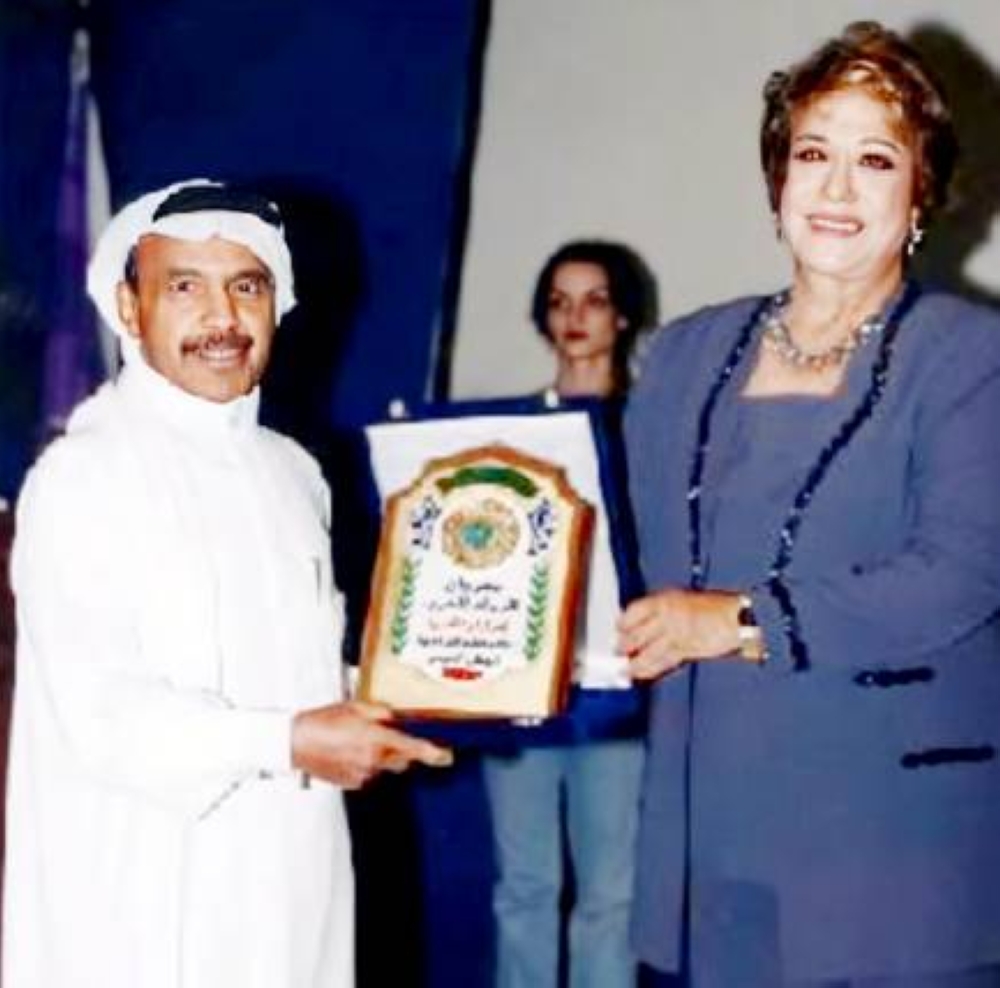
حصل فناننا على العديد من الجوائز والتكريمات. ففي عام 2002 حظي بتكريم من جامعة الدول العربية في مهرجان الرواد العرب بالقاهرة، تمثل في حصوله على درع وميدالية الرواد العرب في الفن الشعبي. وفي عام 2004 كان على موعد مع تكريم آخر من قبل جمعية الثقافة والفنون بالأحساء، التي قدمت له درعاً وشهادة تقدير. وفي العام التالي احتفت به إذاعة صوت الخليج للفن الشعبي من الدوحة، وسجلت له ستّ أغنيات برفقة مواطنه الفنان عبدالله عبدالرحمن بوخوة. وفي يناير من عام 2020 فاز في مسابقة الفلكلور الشعبي إلى جانب تسعة فائزين آخرين، علماً بأن هذه المسابقة التي نظمتها وزارة الثفافة السعودية بهدف توثيق التراث غير المادي للمملكة تضمنت مشاركات توثيقية لألوان غنائية ولحنية فلكلورية باستخدام آلات موسيقية شعبية. ومن آيات التقدير الأخرى التي حظي بها داخل وطنه دعوته في عام 2009 للمشاركة جنباً إلى جنب مع كبار الفنانين السعوديين والعرب في المهرجان الوطني للتراث والثقافة (مهرجان الجنادرية السنوي).
مطلق الدخيل.. أول من أسس فرقة موسيقية في شرق السعودية
23 يونيو 2025 - 03:01
|
آخر تحديث 23 يونيو 2025 - 03:01


تابع قناة عكاظ على الواتساب
بقلم: د. عبدالله المدني abu_taymour@
Most of the stars of music and singing in the Gulf Arab countries are among the pioneers. They began their artistic journeys amidst difficult living conditions and in conservative societies that fought against art and singing, viewing its practitioners with disdain and lack of respect. In fact, in certain Gulf communities, these individuals were ostracized and accused of spreading corruption and frivolity at the expense of religion and inherited customs and traditions. Therefore, it is rare to find among them someone who did not suffer, endure humiliation, and face hardships in order to develop their artistic talents.
This was a necessary introduction to talk about a personality from the eastern coast of the Kingdom of Saudi Arabia, who has been forgotten by many, and whose name is no longer echoed in musical literature, despite his steadfastness to his talents and his brave attempts to highlight his name artistically during difficult times, as well as his resistance to all the prevailing social taboos and obstacles at that time.
He was introduced by the media figure Mohammed Al-Khamisi on the program "Wainak" on the Rotana Khalejia channel on November 19, 2014, saying: "It is difficult to find questions that can accommodate the spirit of an artist who was not always favored by time, and whose friends did not stand by him as they should have, he who ignited from his soul the pure flame of love for family and homeland. The voice that the palms gifted to Al-Ahsa to sing in the color of dates and the taste of figs, lemons, and pomegranates."
Our discussion in this article is about the Saudi singer, composer, and folk artist "Mutlaq Dakhil Al-Owais," known artistically as "Mutlaq Al-Dakhil," who was born on September 17, 1936 (1355 AH) in the Al-Sabayeb neighborhood of the city of Al-Mubarraz in the Al-Ahsa province of Saudi Arabia, to a middle-class family. The man was known for most of his artistic career by the nickname "Abu Issa," before he got married and had his first son, whom he named Ibrahim, a common name in his Al-Ahsa community. It is worth noting that the latter followed in his father's footsteps and became an artist himself when he grew up, as he joined Aramco and managed to balance work, study, and practicing his hobby of playing the oud, leaving behind his dreams of becoming a pilot, until he obtained a doctorate in management and became a skilled composer participating in composing for plays and representing his country in international music festivals.
Mutlaq Al-Dakhil joined the public security work, responsible for the incoming and outgoing section, similar to other Saudi artistic names who worked and came from the security sector, such as the esteemed artist Jamil Mahmoud, or worked and came from the armed forces like the great artist musician Tariq Abdulhakim (1918 - 2012), who is considered the spiritual father of the developed Saudi song and the first to take it beyond the borders of his country. Dakhil mentioned in an interview with him on the aforementioned program "Wainak" that Tariq Abdulhakim listened to his voice and playing during a visit to a recording studio in Dammam, owned by the Emirati artist "Mohammed Suhail Al-Katbi," who was then residing in Dammam and was the first to record Tariq's famous song "Talaq Qalbi." Tariq was impressed by what he heard and wished to meet its owner, which prompted Al-Katbi to urgently summon him from Al-Ahsa to meet artist Tariq Abdulhakim.
As for Dakhil's attachment to art, singing, and music, it began in the early 1950s when he was about seventeen years old, influenced by his father's friend Khalil Al-Rasheed, who owned an oud and played it during private social gatherings. At that time, singing was prohibited in Saudi Arabia, so music and singing enthusiasts practiced their hobby secretly through private musical sessions inside closed rooms and councils, and Dakhil was one of them. However, his love for art led him in 1960 to undertake a bold experiment by the standards of his time, manifested in the establishment of a musical band under his leadership and the membership of several of his close friends. However, the most significant obstacle to the band's secret activities was the lack of musical instruments at that time due to the prohibition on importing and selling them, not to mention the refusal of those who owned any instruments to lend them to others, which deprived Mutlaq and his colleagues of practicing and rehearsing the songs of the icons of Egyptian, Levantine, and Iraqi music or playing songs from the Gulf and Al-Ahsa folk heritage.
Thus, we find him and his colleagues challenging those circumstances by making primitive musical instruments, using metal oil cans and empty wooden tea boxes, tightening plastic strings on them, like those used in fishing. They succeeded in making a primitive oud, a primitive violin, some maracas, and drums, and began their rehearsals in playing and singing in preparation for the day when things would clear up, music would be liberated from restrictions, prohibitions would be lifted, and their talents would be recognized.
Fortunately for them, their wishes were quickly fulfilled, as the late King Saud bin Abdulaziz assumed power on November 9, 1953, succeeding his late father, the founding king, may God rest his soul. Then, His Majesty made his first visit as king to the Eastern Province of his country in 1954, an occasion that brought joy, singing, and dancing throughout the Kingdom, especially in the Eastern Province cities, leading to the announcement of the permission for singing and the marketing and importing of records and gramophones and the sale of musical instruments. Dakhil recalls that he personally sang in front of the visiting king at a large public celebration held in his honor in Al-Ahsa, performing a song hastily written by the poet Hamdan bin Nasser and composed by Dakhil himself, the beginning of which is: "To you, my greetings, O great king / To you, my greetings, O great heart."
However, Dakhil's ambition was greater than that; he aspired to fame, to showcase his talents, and to reach the largest number of audiences thirsty for music through the airwaves and musical radio programs. He found no way to do that except by resorting to the Bahrain wireless radio station, which had begun broadcasting clearly to various cities on the eastern coast of the Kingdom following its official launch on July 21, 1955. Indeed, Dakhil requested a leave of absence from his superiors in public security to travel by sea to Bahrain to participate in a program that the Bahrain radio station was broadcasting under the name "An Evening with an Artist," but his superiors did not approve his request, which frustrated him. To get out of this predicament and achieve his ambition, he decided to take a risk and absent himself from work to travel to Bahrain and record in the mentioned radio program. Dakhil returned from Bahrain and went to resume his work, claiming illness as the reason for his absence for several days, but the ruse did not fool his superiors because they learned of his presence in Bahrain by listening to him singing on Bahrain radio. Thus, Dakhil's punishment for leaving work without obtaining permission from his superiors was a five-day suspension and imprisonment.
“Tahal Al-Wad”
Our artist's visits to Bahrain were repeated in pursuit of recording his songs on old vinyl records at the recording studios that were widespread at that time in Bahrain, such as Al-Sahati Records, Salim Phone Records, Anwar Phone, Ismail Phone, Ibrahim Phone, and Jerji Phone, among others. He indeed recorded his first record in 1958, followed by other records in 1960, which contributed to the spread of his name across the Kingdom and the Gulf, especially after he publicly announced his own musical band in 1962, which he co-founded with his friend musician Abdullah Al-Omani, and it was named "Hajr Musical Band," consisting of six musicians in addition to the founders: Saleh Al-Abbad (on violin), Mohammed Sanbal (on flute), Saleh Al-Asoum (on qanun), Abdulaziz Al-Tammar (on riq), and Turki Al-Maros (on percussion). The band became active in sports club parties, specifically Al-Fateh Club in Al-Mubarraz, as well as wedding celebrations, holiday festivities, and honoring Aramco employees, among others.
However, his spread and the wider audience's recognition of him in voice and image were achieved in 1960 through a song he recorded at the Aramco Television station in Dhahran, which had begun broadcasting on September 16, 1957, as the first Arabic-speaking television channel in the Arabian Peninsula and the Gulf. Following that, Dakhil and his band participated in the Aramco Television station, which agreed with him to present musical performances accompanying cultural programs and competitions, which helped him in turn to reach the government television in Dammam after its official launch in 1969, where he prepared a special melody for children and presented through it a music video titled "Tahal Al-Wad," which he had recorded that same year on a record in Lebanon. The lyrics include: "I tried to forget what was between you and me one day / Against my will, my heart beat and remembered / Remember our nights, sweet nights we lived / We harvested the flower of jasmine and sweetened our dreams."
In 1972, he presented to Dammam Television a patriotic music video titled "If you are traveling, O my brother, do not miss the irrigation project," with lyrics by the popular Al-Ahsa poet Mohammed bin Saad Al-Janubi (1941 - 2009), on the occasion of King Faisal bin Abdulaziz's visit to Al-Ahsa to inaugurate the irrigation and drainage project on December 1, 1971.
His Most Famous Romantic Songs
Among the most famous romantic songs that Dakhil presented in his artistic career, aside from the previously mentioned "Tahal Al-Wad," are: "Ya Hamad Ya Ashiri," "Ana Wili Ala Khali," "Sabrek Ala Al-Hasrat," "Bil-Houn," "Wesh Ghayrak," "Ya Nadimi," "Dunya Al-Hawa," culminating in his last song, "Ya Ain Hali Safi Al-Dam' Haliyeh / If it ends, bring a drink," with lyrics by the late poet Noura Al-Houshan, which he recorded for the Voice of the Gulf radio station in Doha. As for his patriotic songs, the last of which was "Diyar Al-Izz Ya Al-Ahsa," with lyrics by Imad Abdulrahman Al-Nuaim, composed and supervised by his son Dr. Ibrahim Al-Dakhil, and distributed by Ahmed Abduljawad, supported by Abdulaziz Suleiman Al-Afaleq and his sons in Al-Ahsa.
Our artist received many awards and honors. In 2002, he was honored by the Arab League at the Arab Pioneers Festival in Cairo, receiving a shield and a medal for Arab pioneers in folk art. In 2004, he was honored again by the Culture and Arts Association in Al-Ahsa, which presented him with a shield and a certificate of appreciation. The following year, the Voice of the Gulf radio station for folk art in Doha celebrated him, recording six songs for him alongside his compatriot artist Abdullah Abdulrahman Boukhwa. In January 2020, he won a folklore competition alongside nine other winners, noting that this competition, organized by the Saudi Ministry of Culture, aimed to document the intangible heritage of the Kingdom and included documentary contributions of folkloric musical and melodic styles using traditional musical instruments. Among the other accolades he received in his homeland was his invitation in 2009 to participate alongside prominent Saudi and Arab artists in the National Festival for Heritage and Culture (the annual Janadriyah Festival).
This was a necessary introduction to talk about a personality from the eastern coast of the Kingdom of Saudi Arabia, who has been forgotten by many, and whose name is no longer echoed in musical literature, despite his steadfastness to his talents and his brave attempts to highlight his name artistically during difficult times, as well as his resistance to all the prevailing social taboos and obstacles at that time.
He was introduced by the media figure Mohammed Al-Khamisi on the program "Wainak" on the Rotana Khalejia channel on November 19, 2014, saying: "It is difficult to find questions that can accommodate the spirit of an artist who was not always favored by time, and whose friends did not stand by him as they should have, he who ignited from his soul the pure flame of love for family and homeland. The voice that the palms gifted to Al-Ahsa to sing in the color of dates and the taste of figs, lemons, and pomegranates."
Our discussion in this article is about the Saudi singer, composer, and folk artist "Mutlaq Dakhil Al-Owais," known artistically as "Mutlaq Al-Dakhil," who was born on September 17, 1936 (1355 AH) in the Al-Sabayeb neighborhood of the city of Al-Mubarraz in the Al-Ahsa province of Saudi Arabia, to a middle-class family. The man was known for most of his artistic career by the nickname "Abu Issa," before he got married and had his first son, whom he named Ibrahim, a common name in his Al-Ahsa community. It is worth noting that the latter followed in his father's footsteps and became an artist himself when he grew up, as he joined Aramco and managed to balance work, study, and practicing his hobby of playing the oud, leaving behind his dreams of becoming a pilot, until he obtained a doctorate in management and became a skilled composer participating in composing for plays and representing his country in international music festivals.
Mutlaq Al-Dakhil joined the public security work, responsible for the incoming and outgoing section, similar to other Saudi artistic names who worked and came from the security sector, such as the esteemed artist Jamil Mahmoud, or worked and came from the armed forces like the great artist musician Tariq Abdulhakim (1918 - 2012), who is considered the spiritual father of the developed Saudi song and the first to take it beyond the borders of his country. Dakhil mentioned in an interview with him on the aforementioned program "Wainak" that Tariq Abdulhakim listened to his voice and playing during a visit to a recording studio in Dammam, owned by the Emirati artist "Mohammed Suhail Al-Katbi," who was then residing in Dammam and was the first to record Tariq's famous song "Talaq Qalbi." Tariq was impressed by what he heard and wished to meet its owner, which prompted Al-Katbi to urgently summon him from Al-Ahsa to meet artist Tariq Abdulhakim.
As for Dakhil's attachment to art, singing, and music, it began in the early 1950s when he was about seventeen years old, influenced by his father's friend Khalil Al-Rasheed, who owned an oud and played it during private social gatherings. At that time, singing was prohibited in Saudi Arabia, so music and singing enthusiasts practiced their hobby secretly through private musical sessions inside closed rooms and councils, and Dakhil was one of them. However, his love for art led him in 1960 to undertake a bold experiment by the standards of his time, manifested in the establishment of a musical band under his leadership and the membership of several of his close friends. However, the most significant obstacle to the band's secret activities was the lack of musical instruments at that time due to the prohibition on importing and selling them, not to mention the refusal of those who owned any instruments to lend them to others, which deprived Mutlaq and his colleagues of practicing and rehearsing the songs of the icons of Egyptian, Levantine, and Iraqi music or playing songs from the Gulf and Al-Ahsa folk heritage.
Thus, we find him and his colleagues challenging those circumstances by making primitive musical instruments, using metal oil cans and empty wooden tea boxes, tightening plastic strings on them, like those used in fishing. They succeeded in making a primitive oud, a primitive violin, some maracas, and drums, and began their rehearsals in playing and singing in preparation for the day when things would clear up, music would be liberated from restrictions, prohibitions would be lifted, and their talents would be recognized.
Fortunately for them, their wishes were quickly fulfilled, as the late King Saud bin Abdulaziz assumed power on November 9, 1953, succeeding his late father, the founding king, may God rest his soul. Then, His Majesty made his first visit as king to the Eastern Province of his country in 1954, an occasion that brought joy, singing, and dancing throughout the Kingdom, especially in the Eastern Province cities, leading to the announcement of the permission for singing and the marketing and importing of records and gramophones and the sale of musical instruments. Dakhil recalls that he personally sang in front of the visiting king at a large public celebration held in his honor in Al-Ahsa, performing a song hastily written by the poet Hamdan bin Nasser and composed by Dakhil himself, the beginning of which is: "To you, my greetings, O great king / To you, my greetings, O great heart."
However, Dakhil's ambition was greater than that; he aspired to fame, to showcase his talents, and to reach the largest number of audiences thirsty for music through the airwaves and musical radio programs. He found no way to do that except by resorting to the Bahrain wireless radio station, which had begun broadcasting clearly to various cities on the eastern coast of the Kingdom following its official launch on July 21, 1955. Indeed, Dakhil requested a leave of absence from his superiors in public security to travel by sea to Bahrain to participate in a program that the Bahrain radio station was broadcasting under the name "An Evening with an Artist," but his superiors did not approve his request, which frustrated him. To get out of this predicament and achieve his ambition, he decided to take a risk and absent himself from work to travel to Bahrain and record in the mentioned radio program. Dakhil returned from Bahrain and went to resume his work, claiming illness as the reason for his absence for several days, but the ruse did not fool his superiors because they learned of his presence in Bahrain by listening to him singing on Bahrain radio. Thus, Dakhil's punishment for leaving work without obtaining permission from his superiors was a five-day suspension and imprisonment.
“Tahal Al-Wad”
Our artist's visits to Bahrain were repeated in pursuit of recording his songs on old vinyl records at the recording studios that were widespread at that time in Bahrain, such as Al-Sahati Records, Salim Phone Records, Anwar Phone, Ismail Phone, Ibrahim Phone, and Jerji Phone, among others. He indeed recorded his first record in 1958, followed by other records in 1960, which contributed to the spread of his name across the Kingdom and the Gulf, especially after he publicly announced his own musical band in 1962, which he co-founded with his friend musician Abdullah Al-Omani, and it was named "Hajr Musical Band," consisting of six musicians in addition to the founders: Saleh Al-Abbad (on violin), Mohammed Sanbal (on flute), Saleh Al-Asoum (on qanun), Abdulaziz Al-Tammar (on riq), and Turki Al-Maros (on percussion). The band became active in sports club parties, specifically Al-Fateh Club in Al-Mubarraz, as well as wedding celebrations, holiday festivities, and honoring Aramco employees, among others.
However, his spread and the wider audience's recognition of him in voice and image were achieved in 1960 through a song he recorded at the Aramco Television station in Dhahran, which had begun broadcasting on September 16, 1957, as the first Arabic-speaking television channel in the Arabian Peninsula and the Gulf. Following that, Dakhil and his band participated in the Aramco Television station, which agreed with him to present musical performances accompanying cultural programs and competitions, which helped him in turn to reach the government television in Dammam after its official launch in 1969, where he prepared a special melody for children and presented through it a music video titled "Tahal Al-Wad," which he had recorded that same year on a record in Lebanon. The lyrics include: "I tried to forget what was between you and me one day / Against my will, my heart beat and remembered / Remember our nights, sweet nights we lived / We harvested the flower of jasmine and sweetened our dreams."
In 1972, he presented to Dammam Television a patriotic music video titled "If you are traveling, O my brother, do not miss the irrigation project," with lyrics by the popular Al-Ahsa poet Mohammed bin Saad Al-Janubi (1941 - 2009), on the occasion of King Faisal bin Abdulaziz's visit to Al-Ahsa to inaugurate the irrigation and drainage project on December 1, 1971.
His Most Famous Romantic Songs
Among the most famous romantic songs that Dakhil presented in his artistic career, aside from the previously mentioned "Tahal Al-Wad," are: "Ya Hamad Ya Ashiri," "Ana Wili Ala Khali," "Sabrek Ala Al-Hasrat," "Bil-Houn," "Wesh Ghayrak," "Ya Nadimi," "Dunya Al-Hawa," culminating in his last song, "Ya Ain Hali Safi Al-Dam' Haliyeh / If it ends, bring a drink," with lyrics by the late poet Noura Al-Houshan, which he recorded for the Voice of the Gulf radio station in Doha. As for his patriotic songs, the last of which was "Diyar Al-Izz Ya Al-Ahsa," with lyrics by Imad Abdulrahman Al-Nuaim, composed and supervised by his son Dr. Ibrahim Al-Dakhil, and distributed by Ahmed Abduljawad, supported by Abdulaziz Suleiman Al-Afaleq and his sons in Al-Ahsa.
Our artist received many awards and honors. In 2002, he was honored by the Arab League at the Arab Pioneers Festival in Cairo, receiving a shield and a medal for Arab pioneers in folk art. In 2004, he was honored again by the Culture and Arts Association in Al-Ahsa, which presented him with a shield and a certificate of appreciation. The following year, the Voice of the Gulf radio station for folk art in Doha celebrated him, recording six songs for him alongside his compatriot artist Abdullah Abdulrahman Boukhwa. In January 2020, he won a folklore competition alongside nine other winners, noting that this competition, organized by the Saudi Ministry of Culture, aimed to document the intangible heritage of the Kingdom and included documentary contributions of folkloric musical and melodic styles using traditional musical instruments. Among the other accolades he received in his homeland was his invitation in 2009 to participate alongside prominent Saudi and Arab artists in the National Festival for Heritage and Culture (the annual Janadriyah Festival).