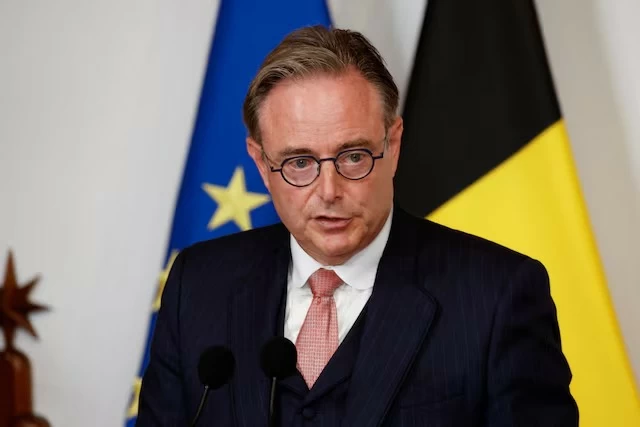
تواجه بلجيكا أزمة سياسية تهدد مستقبل حكومتها، بعدما فشلت أحزاب الائتلاف الحاكم في التوصل إلى اتفاق بشأن خفض الإنفاق وإقرار موازنة العام المقبل، ما دفع رئيس الوزراء بارت دي ويفر إلى التوجه للقصر الملكي تمهيدًا لتقديم استقالته.
وتأتي الأزمة وسط خلافات حادة بشأن خطة مالية بقيمة 10 مليارات يورو، ومخاوف من تفاقم الديون وارتفاع تكاليف الاقتراض، لتبقى البلاد أمام احتمالات إعادة تشكيل الحكومة أو الذهاب إلى انتخابات مبكرة.
ووصل دي ويفر إلى القصر الملكي في العاصمة بروكسل، صباح (الاثنين)، للقاء الملك فيليب، وسط توقعات واسعة بأن يعرض استقالة حكومته، بعدما أخفق الائتلاف المكون من خمسة أحزاب للمرة الثانية في الاتفاق على موازنة العام المقبل.
ولم يصدر مكتب رئيس الوزراء تعليقًا فوريًا على هذه التطورات، كما امتنع دي ويفر عن الإدلاء بأي تصريحات للصحفيين لدى وصوله إلى القصر الملكي.
10 مليارات يورو تشعل الخلاف داخل الائتلاف الحاكم
وتأتي الأزمة بعد أشهر من الخلافات بين مكونات الحكومة بشأن حزمة مالية تقدر بنحو 10 مليارات يورو، أي ما يعادل 11.2 مليار دولار، تشمل تخفيضات في الإنفاق العام وزيادات ضريبية، يرى دي ويفر أنها ضرورية للسيطرة على أوضاع المالية العامة والحد من تفاقم الدين الحكومي.
وتتركز الخلافات بين حزب التحالف الفلمنكي الجديد القومي (N-VA)، وحزب الحركة الإصلاحية الليبرالي (MR)، من جهة، وشركائهما الاشتراكيين والوسطيين في الائتلاف من جهة أخرى.
ويدفع الحزبان باتجاه تقليص الإنفاق الحكومي، بما في ذلك النفقات المخصصة لقطاع الرعاية الصحية، بينما يطالب الشركاء الاشتراكيون والوسطيون بفرض ضرائب أعلى على الثروات، بهدف زيادة الإيرادات الحكومية وتوفير الموارد اللازمة لمعالجة العجز المالي.
الملك فيليب أمام خيارات صعبة
وبحسب ما نقلته صحيفة «دي تايد» البلجيكية عن مصادر مطلعة، لم يكن متوقعًا أن يقبل الملك فيليب استقالة الحكومة بصورة فورية، إذ قد يعيد تكليف دي ويفر بمحاولة أخيرة للتوصل إلى تسوية بين الأحزاب المتحالفة وإنقاذ الائتلاف الحكومي.
وفي حال قبول الاستقالة، سيكون أمام الملك عدد من الخيارات الدستورية والسياسية، من بينها تكليف أحزاب أخرى بمحاولة تشكيل ائتلاف حكومي جديد، أو التوجه نحو إجراء انتخابات عامة مبكرة.
تحذيرات من تفاقم أعباء الديون وارتفاع الفوائد
وتتزامن الأزمة السياسية مع ضغوط متزايدة على الأسواق المالية الأوروبية، بعدما شهدت عوائد السندات الحكومية في بلجيكا وفرنسا وعدد من الدول الأوروبية التي تعاني أوضاعًا مالية ضعيفة ارتفاعًا ملحوظًا.
وحذر دي ويفر مرارًا من مخاطر ما وصفه بـ«كرة الثلج الخاصة بالفوائد»، في إشارة إلى احتمال اضطرار بلجيكا إلى الاقتراض مجددًا لسداد فوائد ديونها الحالية، بما يؤدي إلى تراكم الالتزامات المالية وزيادة أعباء خدمة الدين.
وتعكس الأزمة حجم الانقسام داخل الائتلاف الحاكم بشأن كيفية معالجة الاختلالات المالية، بين تيار يطالب بخفض الإنفاق العام للسيطرة على الدين، وآخر يرى أن زيادة الضرائب على أصحاب الثروات تمثل خيارًا ضروريًا لتعزيز الإيرادات دون تحميل الخدمات العامة مزيدًا من التخفيضات.
وتضع هذه الخلافات مستقبل الحكومة البلجيكية أمام مفترق طرق، في وقت تتزايد فيه الضغوط الاقتصادية والمالية على البلاد، وسط ترقب لقرار الملك فيليب بشأن الخطوة التالية، وما إذا كانت المفاوضات ستنجح في إنقاذ الائتلاف أو ستفتح الباب أمام تغيير حكومي أو انتخابات مبكرة.
Belgium is facing a political crisis that threatens the future of its government, after the ruling coalition parties failed to reach an agreement on spending cuts and the approval of next year's budget, prompting Prime Minister Bart De Wever to head to the royal palace in preparation for submitting his resignation.
The crisis comes amid sharp disagreements over a financial plan worth 10 billion euros, and concerns about escalating debt and rising borrowing costs, leaving the country facing the possibility of a government reshuffle or early elections.
De Wever arrived at the royal palace in the capital Brussels on Monday morning to meet King Philippe, amid widespread expectations that he would offer his government's resignation, after the coalition of five parties failed for the second time to agree on next year's budget.
The Prime Minister's office did not issue an immediate comment on these developments, and De Wever refrained from making any statements to reporters upon his arrival at the royal palace.
10 billion euros ignite disputes within the ruling coalition
The crisis follows months of disagreements among government components regarding a financial package estimated at around 10 billion euros, equivalent to 11.2 billion dollars, which includes cuts in public spending and tax increases, which De Wever believes are necessary to control public finances and limit the escalation of government debt.
The disagreements are concentrated between the New Flemish Alliance (N-VA) and the Liberal Reformist Party (MR) on one side, and their socialist and centrist partners in the coalition on the other side.
The two parties are pushing for reductions in government spending, including expenditures allocated to the healthcare sector, while the socialist and centrist partners are demanding higher taxes on wealth, with the aim of increasing government revenues and providing the necessary resources to address the financial deficit.
King Philippe faces difficult choices
According to what was reported by the Belgian newspaper "De Tijd" from informed sources, it was not expected that King Philippe would immediately accept the government's resignation, as he may reappoint De Wever for one last attempt to reach a settlement between the coalition parties and save the government coalition.
If the resignation is accepted, the king will have a number of constitutional and political options, including assigning other parties to attempt to form a new government coalition, or moving towards holding early general elections.
Warnings of escalating debt burdens and rising interest rates
The political crisis coincides with increasing pressures on European financial markets, after yields on government bonds in Belgium, France, and several other European countries suffering from weak financial conditions have risen significantly.
De Wever has repeatedly warned of the risks of what he described as the "snowball effect of interest rates," referring to the possibility that Belgium may have to borrow again to pay the interest on its current debts, leading to the accumulation of financial obligations and increased debt service burdens.
The crisis reflects the extent of the division within the ruling coalition regarding how to address financial imbalances, between a faction calling for cuts in public spending to control debt, and another that sees increasing taxes on the wealthy as a necessary option to enhance revenues without imposing further cuts on public services.
These disagreements place the future of the Belgian government at a crossroads, as economic and financial pressures on the country increase, amid anticipation of King Philippe's decision regarding the next step, and whether negotiations will succeed in saving the coalition or open the door to a government change or early elections.