في ظل تصاعد التوتر بين واشنطن وطهران، تتأرجح الخيارات الأمريكية بين التفاوض والاستعداد للمواجهة العسكرية، وسط ضغوط إسرائيلية على الرئيس الأمريكي دونالد ترمب للتحرك سريعًا واستئناف الضربات ضد إيران.
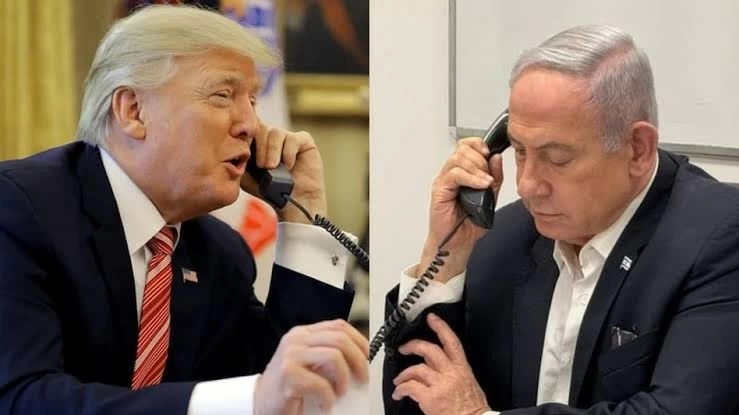
وكشف موقع «أكسيوس» تفاصيل مكالمة هاتفية وُصفت بالصعبة بين الرئيس الأمريكي دونالد ترمب ورئيس الوزراء الإسرائيلي بنيامين نتنياهو عن تباين في الرؤى بشأن مستقبل الأزمة، في وقت تواصل فيه قطر جهود الوساطة لإحياء المفاوضات، بينما يلوّح البيت الأبيض باستهداف مواقع نووية إيرانية.
وأجرى ترمب، السبت، اتصالًا هاتفيًا مباشرًا مع نتنياهو، تناول تطورات المفاوضات الأمريكية الإيرانية والخيارات المطروحة بشأن توقيت استئناف العمليات العسكرية ضد طهران، وسط تباين في المواقف بين الجانبين بشأن أولوية المسار الدبلوماسي أو التحرك العسكري.
ونقل «أكسيوس» عن مصدر إسرائيلي وآخر أمريكي أن نتنياهو يضغط على ترمب لشن هجوم عسكري على إيران فور انتهاء انتخابات التجديد النصفي الأمريكية، المقررة الثلاثاء، في حين يفضل الرئيس الأمريكي، في الوقت الراهن، منح المفاوضات فرصة للاستمرار، وهو توجه يثير مخاوف رئيس الوزراء الإسرائيلي.
ووصف المصدر الإسرائيلي الاتصال بأنه «صعب»، بينما اعتبره المصدر الأمريكي «مباشرًا»، دون الكشف عن تفاصيل إضافية بشأن ما دار بين الزعيمين. ورفض البيت الأبيض ومكتب رئيس الوزراء الإسرائيلي التعليق على فحوى المكالمة.
ترمب يوازن بين التفاوض والاستعداد العسكري
وتأتي المكالمة في إطار استراتيجية تتبناها إدارة ترمب، تقوم على التحرك في مسارين متوازيين، أولهما محاولة التوصل إلى اتفاق يعيد إطلاق محادثات السلام مع إيران، والثاني الاستعداد لاحتمال استئناف عمليات عسكرية واسعة النطاق بعد انتخابات التجديد النصفي.
ويشير التقرير إلى أن ترمب اتبع نهجًا مشابهًا قبل إطلاق عمليتي «مطرقة منتصف الليل» في يونيو 2025 و«الغضب الملحمي» في فبراير، إذ أبقى الخيارات الدبلوماسية والعسكرية مطروحة بالتوازي.
وفي أحدث التحركات الدبلوماسية، بعث نائب الرئيس الأمريكي جيه دي فانس، الأسبوع الماضي، رسالة إلى المسؤول عن الأمن القومي الإيراني محسن رضائي، تناولت إمكانية استئناف المفاوضات بين واشنطن وطهران، في خطوة تُعد من أبرز الاتصالات الأمريكية رفيعة المستوى مع إيران خلال الأشهر الماضية.
وخلال تصريحات للصحفيين، السبت، قال ترمب إن المفاوضات مع إيران «تسير بشكل جيد»، مؤكدًا أنه ليس في عجلة من أمره للتوصل إلى اتفاق.
وأشار الرئيس الأمريكي إلى أن الإيرانيين يرغبون في إبرام اتفاق، لكنه شكك في إمكانية الاعتماد على التزاماتهم، قائلًا إنهم «ليسوا موثوقين للغاية»، وإنهم يبرمون الاتفاقات ثم يتراجعون عنها.
ترمب يلوّح باستهداف مواقع نووية إيرانية
ورغم حديثه عن استمرار المفاوضات، لم يستبعد ترمب اللجوء إلى الخيار العسكري، مشيرًا إلى أن الولايات المتحدة لا تزال بحاجة إلى التعامل مع موقع أو موقعين نوويين داخل إيران.
وقال الرئيس الأمريكي إن بلاده تستطيع تنفيذ ذلك خلال 10 دقائق، مضيفًا أن الخطط العسكرية جاهزة، ومشيرًا بالاسم إلى موقع «بيك آكس ماونتن» (Pickaxe Mountain)، الذي يُعتقد أنه منشأة نووية مشيدة داخل جبل.
وتعكس تصريحات ترمب استمرار الضغوط العسكرية الأمريكية على طهران، بالتزامن مع إبقاء الباب مفتوحًا أمام استئناف المفاوضات، دون حسم نهائي بشأن المسار الذي ستتبناه واشنطن خلال المرحلة المقبلة.
تحركات قطرية لإعادة إطلاق المفاوضات الأمريكية الإيرانية
وفي تطور متصل، عقد وسطاء قطريون اجتماعات مع مسؤولين إيرانيين، الأحد، لليوم الثالث على التوالي، في إطار مساعٍ للتوصل إلى تفاهم يمهد لاستئناف المفاوضات المباشرة بين الولايات المتحدة وإيران.
وتسعى الوساطة القطرية إلى تقريب وجهات النظر بين الطرفين، وإعادة فتح قنوات الحوار بشأن الملفات العالقة، في ظل استمرار التوترات والمخاوف من تجدد المواجهة العسكرية.
من جانبه، أكد وزير الخارجية الإيراني عباس عراقجي، الأحد، عدم التوصل إلى أي اتفاق حتى الآن، مشددًا على أن نجاح المفاوضات يتوقف على تقديم الولايات المتحدة إجابات عن الأسئلة والاستفسارات الإيرانية.
وقال عراقجي إن بلاده تبذل كل الجهود الممكنة في هذا الاتجاه، معربًا عن أمله في أن يُظهر الطرف الآخر قدرًا كافيًا من العقلانية لاختيار الدبلوماسية بدلًا من المسارات الأخرى.
مستقبل المواجهة يتوقف على مسار الاتصالات
وتكشف التطورات الأخيرة عن تباين في حسابات واشنطن وتل أبيب بشأن التعامل مع الملف الإيراني؛ فبينما يسعى ترمب إلى استثمار الفرصة الدبلوماسية واختبار إمكانية التوصل إلى تفاهم مع طهران، يضغط نتنياهو باتجاه التحرك العسكري السريع، خشية أن تؤدي المفاوضات إلى تأجيل المواجهة أو إضعاف فرص تحقيق الأهداف الإسرائيلية.
وفي ظل استمرار الاتصالات والوساطات القطرية، تظل احتمالات استئناف العمليات العسكرية قائمة، بالتوازي مع الجهود الرامية إلى إعادة إطلاق الحوار المباشر، ما يجعل الأيام المقبلة حاسمة في تحديد اتجاه الأزمة بين واشنطن وطهران.
Amid rising tensions between Washington and Tehran, U.S. options are swinging between negotiation and preparation for military confrontation, with Israeli pressure on President Donald Trump to act quickly and resume strikes against Iran.
The website "Axios" revealed details of a difficult phone call between U.S. President Donald Trump and Israeli Prime Minister Benjamin Netanyahu, highlighting a divergence in views regarding the future of the crisis, as Qatar continues its mediation efforts to revive negotiations, while the White House hints at targeting Iranian nuclear sites.
On Saturday, Trump made a direct phone call to Netanyahu, discussing developments in U.S.-Iranian negotiations and the options regarding the timing of resuming military operations against Tehran, amid differing positions between the two sides regarding the priority of the diplomatic path or military action.
Axios reported from an Israeli source and another American source that Netanyahu is pressuring Trump to launch a military attack on Iran immediately after the U.S. midterm elections scheduled for Tuesday, while the U.S. president currently prefers to give negotiations a chance to continue, a stance that raises concerns for the Israeli prime minister.
The Israeli source described the call as "difficult," while the American source considered it "direct," without revealing additional details about the conversation between the two leaders. The White House and the Israeli Prime Minister's Office declined to comment on the content of the call.
Trump balances between negotiation and military readiness
The call is part of a strategy adopted by the Trump administration, which involves moving in parallel paths: the first is attempting to reach an agreement that revives peace talks with Iran, and the second is preparing for the possibility of resuming large-scale military operations after the midterm elections.
The report indicates that Trump followed a similar approach before launching operations "Midnight Hammer" in June 2025 and "Epic Fury" in February, keeping both diplomatic and military options open in parallel.
In the latest diplomatic moves, U.S. Vice President J.D. Vance sent a letter last week to Iranian National Security Chief Mohsen Rezaei, discussing the possibility of resuming negotiations between Washington and Tehran, in a step considered one of the most significant high-level U.S. communications with Iran in recent months.
During statements to reporters on Saturday, Trump said that negotiations with Iran "are going well," emphasizing that he is not in a hurry to reach an agreement.
The U.S. president indicated that the Iranians want to reach an agreement, but he expressed doubt about the reliability of their commitments, stating that they "are not very reliable," and that they make agreements and then backtrack.
Trump hints at targeting Iranian nuclear sites
Despite his comments about the continuation of negotiations, Trump did not rule out resorting to military options, indicating that the United States still needs to deal with one or two nuclear sites within Iran.
The U.S. president stated that his country could carry out such actions within 10 minutes, adding that military plans are ready, specifically mentioning "Pickaxe Mountain," which is believed to be a nuclear facility built inside a mountain.
Trump's statements reflect the ongoing U.S. military pressure on Tehran, while keeping the door open for resuming negotiations, without a final resolution regarding the path Washington will take in the upcoming phase.
Qatari moves to revive U.S.-Iranian negotiations
In a related development, Qatari mediators held meetings with Iranian officials on Sunday for the third consecutive day, as part of efforts to reach an understanding that paves the way for resuming direct negotiations between the United States and Iran.
The Qatari mediation aims to bridge the views between the two parties and reopen channels of dialogue regarding outstanding issues, amid ongoing tensions and fears of renewed military confrontation.
For his part, Iranian Foreign Minister Abbas Araghchi confirmed on Sunday that no agreement has been reached yet, emphasizing that the success of negotiations depends on the United States providing answers to Iranian questions and inquiries.
Araghchi stated that his country is making every possible effort in this direction, expressing hope that the other side will show enough rationality to choose diplomacy over other paths.
The future of confrontation depends on the communication path
The recent developments reveal a divergence in the calculations of Washington and Tel Aviv regarding how to deal with the Iranian file; while Trump seeks to capitalize on the diplomatic opportunity and test the possibility of reaching an understanding with Tehran, Netanyahu is pushing for rapid military action, fearing that negotiations may delay confrontation or weaken the chances of achieving Israeli goals.
Amid ongoing communications and Qatari mediation, the prospects for resuming military operations remain, alongside efforts to revive direct dialogue, making the coming days crucial in determining the direction of the crisis between Washington and Tehran.