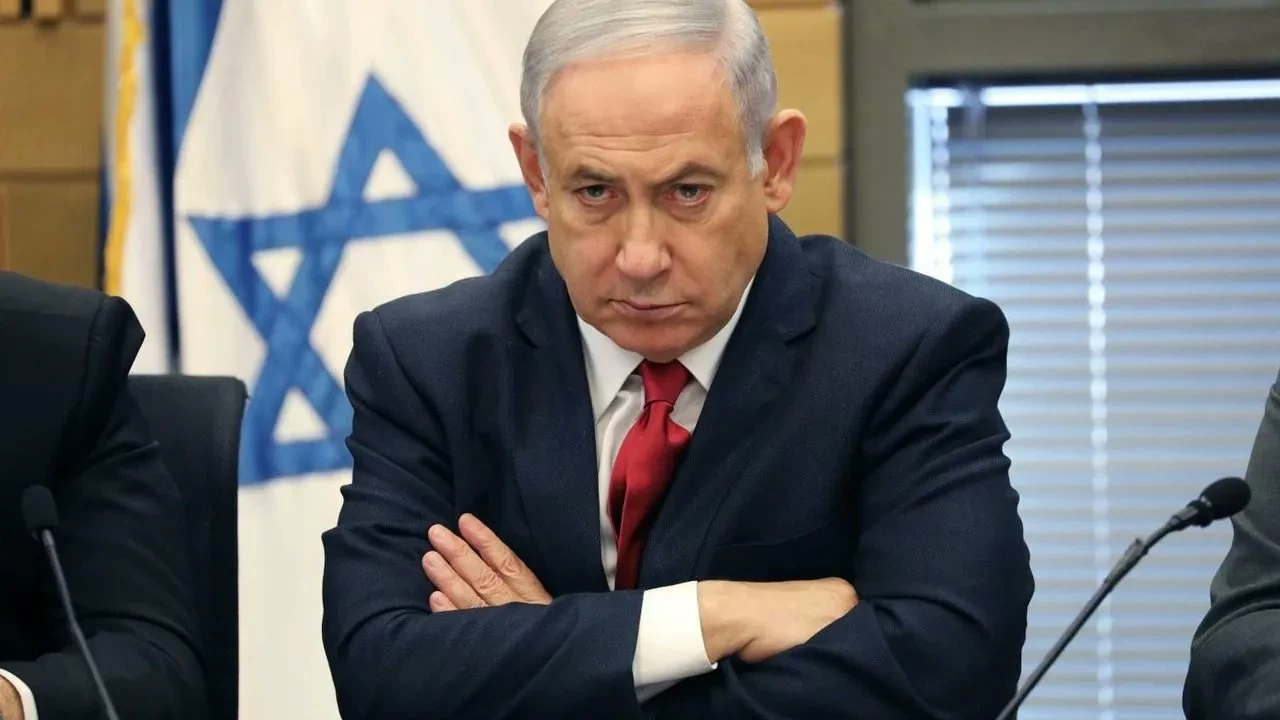
رفض نائب رئيس لجنة الانتخابات المركزية الإسرائيلية المطالب التي يطرحها حزب الليكود بقيادة بنيامين نتنياهو للتشكيك في نتائج الانتخابات البرلمانية، مؤكدا أن الكنيست الجديد سيؤدي اليمين الدستورية في موعده المقرر، وأن خسارة معسكر نتنياهو 15 مقعدا لا تشكل مبررا لإلغاء التصويت.
وقال المسؤول، في تصريحات نقلتها وسائل إعلام عبرية، إن على حزب الليكود التوقف عن إطلاق الادعاءات بشأن نزاهة الانتخابات، مضيفا: «لقد خسروا الانتخابات وفقدوا 15 مقعدا، وهذا ليس سببا لإلغاء الانتخابات».
وشدد على أن خسارة المقاعد البرلمانية لا تمنح أي حزب حق المطالبة بإبطال العملية الانتخابية، مؤكدا المضي في الإجراءات الدستورية وفق الجدول الزمني المحدد، بما في ذلك أداء أعضاء الكنيست الجديد اليمين الدستورية.
وتأتي هذه التصريحات في أعقاب تصعيد حزب الليكود اتهاماته بشأن نتائج انتخابات 27 أكتوبر، بعدما أعلن أن الانتخابات «سُرقت»، وطالب بفتح تحقيق في مزاعم وقوع عمليات تزوير ورشى وتهديدات ومخالفات مرتبطة بالتصويت، خصوصا في المناطق ذات الأغلبية العربية.
وردت لجنة الانتخابات المركزية على هذه الاتهامات بالتأكيد أن جميع الشكاوى المتعلقة بنزاهة التصويت تخضع للفحص، لكنها شددت على أن التحقيق في الادعاءات لا يعني ثبوتها، وأن المعلومات المتداولة بشأن وجود تدخل واسع النطاق لا تستند إلى أدلة معلنة.
كما أكدت الشرطة الإسرائيلية عدم وجود أساس تحقيقي أو استخباراتي يدعم الادعاء بأن الانتخابات سُرقت، فيما أوضح جهاز الأمن العام «الشاباك» أن التحقيق في شبهات التدخل الخارجي محدود النطاق، ولا يستهدف التشكيك في حق المواطنين العرب في التصويت.
خسارة الأغلبية و15 مقعدا
وأظهرت النتائج النهائية التي أعلنتها لجنة الانتخابات المركزية تقدم معسكر نتنياهو بحصوله على 53 مقعدا من أصل 120 في الكنيست، مقابل 48 مقعدا لمعسكر المعارضة بقيادة غادي أيزنكوت، فيما حصدت القائمتان العربيتان، القائمة المشتركة و«رعام»، 19 مقعدا مجتمعَتين.
وبذلك تراجع معسكر نتنياهو من 68 مقعدا في الكنيست المنتهية ولايته إلى 53 مقعدا في البرلمان الجديد، بخسارة 15 مقعدا، كما أخفق في الاحتفاظ بالأغلبية اللازمة لتشكيل الحكومة، والمحددة بـ61 مقعدا.
وحصل حزب الليكود، الذي يقوده نتنياهو، على 27 مقعدا، ليظل أكبر الأحزاب المنفردة في البرلمان، بينما حصد حزب «ياشار» بقيادة أيزنكوت 21 مقعدا، وحزب «معا» بقيادة نفتالي بينيت 12 مقعدا.
وتكتسب النتائج العربية أهمية استثنائية، إذ حققت القائمة المشتركة 11 مقعدا، وحصل حزب «رعام» بقيادة منصور عباس على 8 مقاعد، ليصل مجموع تمثيل الأحزاب العربية إلى 19 مقعدا، وهو أعلى تمثيل لها في تاريخ الكنيست، ما يجعلها رقما مؤثرا في مفاوضات تشكيل الحكومة المقبلة.
موعد الكنيست الجديد ومصير حكومة نتنياهو
وبحسب الجدول الزمني الذي أعلنته لجنة الانتخابات، من المقرر تقديم النتائج الرسمية المعتمدة إلى الرئيس الإسرائيلي إسحاق هرتسوغ في 4 نوفمبر المقبل، على أن يؤدي أعضاء الكنيست السادس والعشرين اليمين الدستورية في 10 نوفمبر.
ولا يعني انعقاد الكنيست الجديد أن الحكومة المقبلة ستتشكل تلقائيا، إذ يتعين على الأحزاب التفاوض لتأمين أغلبية لا تقل عن 61 مقعدا، قبل أن يكلف الرئيس الإسرائيلي أحد المرشحين بتشكيل الحكومة.
وتواجه المعارضة بقيادة أيزنكوت معضلة الحصول على دعم كاف لتشكيل حكومة، في ظل رفض بعض أحزابها التعاون مع القائمتين العربيتين، رغم امتلاكهما 19 مقعدا يمكن أن تغير موازين القوى البرلمانية.
وفي المقابل، لا يزال معسكر نتنياهو متقدما من حيث عدد المقاعد، لكنه يفتقر إلى الأغلبية التي تتيح له تشكيل حكومة بمفرده، ما يفتح الباب أمام مفاوضات سياسية معقدة، أو احتمال التوجه إلى انتخابات جديدة إذا فشلت محاولات تشكيل ائتلاف حاكم.
The Deputy Chairman of the Israeli Central Elections Committee rejected the demands raised by the Likud party, led by Benjamin Netanyahu, to question the results of the parliamentary elections, affirming that the new Knesset will take the oath of office on the scheduled date, and that the loss of 15 seats by Netanyahu's camp does not justify canceling the vote.
The official, in statements reported by Hebrew media, stated that the Likud party should stop making claims about the integrity of the elections, adding: "They lost the elections and lost 15 seats, and this is not a reason to cancel the elections."
He emphasized that losing parliamentary seats does not give any party the right to demand the annulment of the electoral process, confirming the continuation of constitutional procedures according to the specified timeline, including the swearing-in of the new Knesset members.
These statements come in the wake of the Likud party escalating its accusations regarding the results of the October 27 elections, after announcing that the elections were "stolen," and calling for an investigation into allegations of fraud, bribery, threats, and violations related to voting, particularly in areas with an Arab majority.
The Central Elections Committee responded to these accusations by confirming that all complaints related to the integrity of the vote are subject to examination, but stressed that investigating the allegations does not mean they are proven, and that the circulated information regarding widespread interference is not based on publicly available evidence.
The Israeli police also confirmed that there is no investigative or intelligence basis supporting the claim that the elections were stolen, while the General Security Service "Shabak" clarified that the investigation into suspicions of external interference is limited in scope and does not target questioning the voting rights of Arab citizens.
Loss of Majority and 15 Seats
The final results announced by the Central Elections Committee showed Netanyahu's camp advancing with 53 seats out of 120 in the Knesset, compared to 48 seats for the opposition camp led by Gadi Eisenkot, while the two Arab lists, the Joint List and "Ra'am," together secured 19 seats.
Thus, Netanyahu's camp declined from 68 seats in the outgoing Knesset to 53 seats in the new parliament, losing 15 seats, and failed to retain the majority needed to form a government, which is set at 61 seats.
The Likud party, led by Netanyahu, obtained 27 seats, remaining the largest single party in the parliament, while the "Yashar" party led by Eisenkot won 21 seats, and the "Together" party led by Naftali Bennett secured 12 seats.
The Arab results are of exceptional importance, as the Joint List achieved 11 seats, and the "Ra'am" party led by Mansour Abbas obtained 8 seats, bringing the total representation of Arab parties to 19 seats, the highest representation in the history of the Knesset, making it a significant factor in negotiations for forming the next government.
Date of the New Knesset and the Fate of Netanyahu's Government
According to the timeline announced by the Elections Committee, the official certified results are scheduled to be submitted to Israeli President Isaac Herzog on November 4, with the members of the 26th Knesset taking the oath of office on November 10.
The convening of the new Knesset does not mean that the next government will be formed automatically, as parties must negotiate to secure a majority of at least 61 seats before the Israeli president tasks one of the candidates with forming the government.
The opposition, led by Eisenkot, faces the dilemma of obtaining sufficient support to form a government, amid the refusal of some of its parties to cooperate with the two Arab lists, despite their possession of 19 seats that could shift the parliamentary balance of power.
On the other hand, while Netanyahu's camp still leads in terms of the number of seats, it lacks the majority needed to form a government alone, opening the door to complex political negotiations, or the possibility of heading to new elections if attempts to form a governing coalition fail.