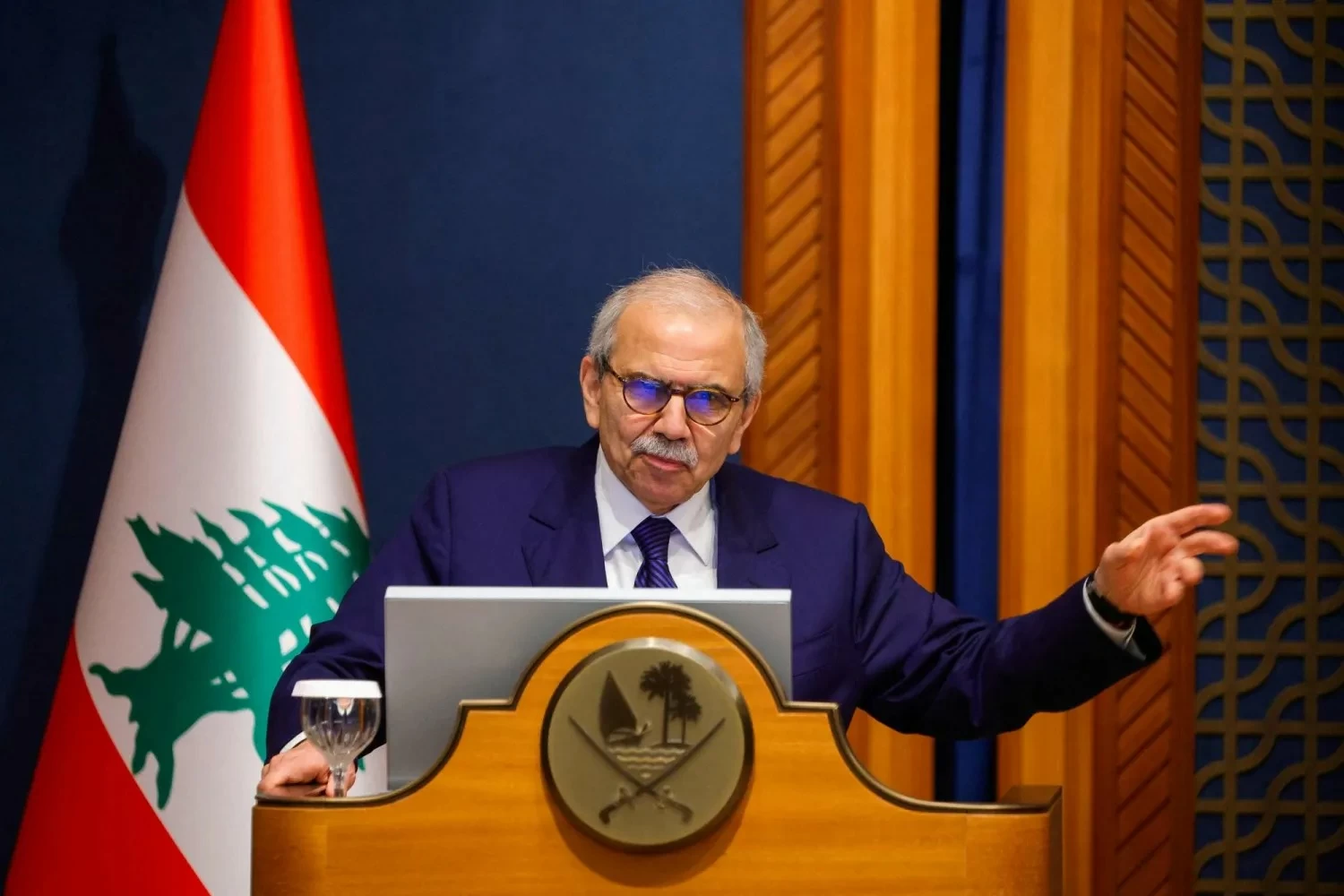
أعلن رئيس الحكومة اللبنانية نواف سلام بدء تحرك مشترك مع القيادة الفلسطينية لمعالجة ملف السلاح داخل مخيمات اللاجئين الفلسطينيين، مؤكدا أن هذه المخيمات تخضع لسيادة الدولة اللبنانية وقوانينها، في إطار مساعٍ لإحكام سلطة الدولة على كامل أراضيها.
وقال سلام، الجمعة، خلال إطلاق المشاورات الخاصة بـ«الخطة الوطنية لحوكمة مخيمات اللاجئين الفلسطينيين في لبنان»، إن الحكومة والقيادة الفلسطينية تعملان على اتخاذ خطوات عملية لتسليم السلاح وفق جدول زمني محدد، بما ينهي وجود مناطق خارج إطار القانون اللبناني.
وأوضح أن هذا المسار يستند إلى التفاهمات التي تم التوصل إليها خلال القمة اللبنانية الفلسطينية في مايو 2025، وإلى قرار مجلس الوزراء الذي كلف الجيش اللبناني إعداد خطة لحصر السلاح بيد الدولة، مشددا على أن معالجة هذا الملف تتطلب تعاونا بين المؤسسات اللبنانية والجهات الفلسطينية المعنية.
وأكد رئيس الحكومة اللبنانية أن التعامل مع أوضاع المخيمات لا يمكن أن يقتصر على الجانب الأمني، بل يتطلب مقاربة متكاملة تجمع بين تعزيز سلطة الدولة وتوفير الحقوق الاقتصادية والاجتماعية للاجئين الفلسطينيين.
وجدد سلام تمسك لبنان بحق الشعب الفلسطيني في تقرير مصيره وإقامة دولته، ورفضه توطين اللاجئين الفلسطينيين أو أي مشروعات للتهجير أو حلول تفرض على حساب الحقوق الوطنية الفلسطينية أو المصالح اللبنانية.
مراحل تسليم السلاح
وتأتي تصريحات سلام في سياق مسار بدأ تنفيذه عقب القمة التي جمعت الرئيس اللبناني جوزيف عون والرئيس الفلسطيني محمود عباس في بيروت في 21 مايو 2025، والتي اتفق خلالها الجانبان على حصر السلاح بيد الدولة اللبنانية، وتشكيل لجنة مشتركة لمتابعة أوضاع المخيمات الفلسطينية.
وبدأت عمليات تسليم الأسلحة إلى الجيش اللبناني في أغسطس 2025، وشملت في مراحلها الأولى مخيم برج البراجنة في بيروت، ثم مخيمات الرشيدية والبص والبصّ الشمالي في منطقة صور، قبل أن تمتد إلى مخيمات أخرى، من بينها عين الحلوة والبداوي.
وفي 30 ديسمبر 2025، أعلنت لجنة الحوار اللبناني الفلسطيني استكمال المرحلة الخامسة من تسليم الأسلحة الثقيلة التابعة لمنظمة التحرير الفلسطينية في مخيم عين الحلوة، ووضعها في عهدة الجيش اللبناني، ضمن خطة تدريجية تهدف إلى إنهاء ملف السلاح داخل المخيمات.
لكن تنفيذ الخطة لا يزال يواجه تحديات، في ظل عدم مشاركة جميع الفصائل الفلسطينية في عمليات التسليم، إذ أشار تقرير للأمم المتحدة صدر في عام 2026 إلى أن عمليات التسليم التي جرت خلال عام 2025 اقتصرت على الفصائل المرتبطة بالسلطة الفلسطينية ومنظمة التحرير، فيما لم تستجب فصائل أخرى لخطة الدولة اللبنانية.
معضلة السلاح والسيادة
وتكتسب القضية أهمية خاصة بالنظر إلى الوضع الأمني والتاريخي للمخيمات الفلسطينية في لبنان، حيث درجت السلطات اللبنانية، بموجب ترتيبات تاريخية، على عدم ممارسة الجيش اللبناني السيطرة الأمنية المباشرة داخل المخيمات، وترك جانب كبير من المسؤولية الأمنية للفصائل الفلسطينية.
ويعود جانب أساسي من هذا الواقع إلى اتفاق القاهرة الموقع عام 1969، الذي نظم الوجود الفلسطيني المسلح في لبنان ومنح الفصائل ترتيبات خاصة داخل المخيمات، قبل أن يصبح هذا الملف أحد أبرز القضايا الخلافية في العلاقة بين الدولة اللبنانية والفصائل الفلسطينية.
ويستضيف لبنان 12 مخيما فلسطينيا رسميا، يعيش فيها عشرات الآلاف من اللاجئين الذين يواجهون ظروفا اقتصادية واجتماعية صعبة، إلى جانب قيود قانونية تتعلق ببعض مجالات العمل وحقوق الملكية.
وتسعى الحكومة اللبنانية من خلال الخطة الجديدة إلى الربط بين إنهاء المظاهر المسلحة خارج سلطة الدولة وتحسين إدارة المخيمات والخدمات المقدمة لسكانها، بما يتيح معالجة الملف الأمني دون تجاهل أبعاده الإنسانية والاجتماعية.
ويأتي هذا التحرك أيضا في سياق مساعي الدولة اللبنانية إلى تعزيز سيادتها وحصر قرار الحرب والسلم والمؤسسات الأمنية والعسكرية بيدها، بعد سنوات من تعدد مراكز النفوذ المسلح والتوترات الأمنية التي شهدتها البلاد.
The Lebanese Prime Minister, Nawaf Salam, announced the start of a joint initiative with the Palestinian leadership to address the issue of weapons within Palestinian refugee camps, emphasizing that these camps are subject to the sovereignty of the Lebanese state and its laws, as part of efforts to strengthen state authority over all its territory.
Salam stated on Friday, during the launch of consultations regarding the "National Plan for the Governance of Palestinian Refugee Camps in Lebanon," that the government and the Palestinian leadership are working to take practical steps to hand over weapons according to a specific timeline, aiming to end the existence of areas outside the framework of Lebanese law.
He clarified that this path is based on the understandings reached during the Lebanese-Palestinian summit in May 2025, and on the Cabinet's decision that tasked the Lebanese army with preparing a plan to restrict weapons to the state, stressing that addressing this issue requires cooperation between Lebanese institutions and the relevant Palestinian parties.
The Lebanese Prime Minister affirmed that dealing with the conditions of the camps cannot be limited to the security aspect, but requires a comprehensive approach that combines strengthening state authority with providing economic and social rights for Palestinian refugees.
Salam reiterated Lebanon's commitment to the right of the Palestinian people to self-determination and the establishment of their state, rejecting the resettlement of Palestinian refugees or any projects for displacement or solutions imposed at the expense of Palestinian national rights or Lebanese interests.
Stages of Weapons Transfer
Salam's statements come in the context of a process that began following the summit that brought together Lebanese President Joseph Aoun and Palestinian President Mahmoud Abbas in Beirut on May 21, 2025, during which both sides agreed to restrict weapons to the Lebanese state and to form a joint committee to monitor the conditions of the Palestinian camps.
The transfer of weapons to the Lebanese army began in August 2025, initially including the Burj al-Barajneh camp in Beirut, followed by the Rashidiya, al-Bass, and northern al-Bass camps in the Tyre area, before extending to other camps, including Ain al-Hilweh and Beddawi.
On December 30, 2025, the Lebanese-Palestinian Dialogue Committee announced the completion of the fifth phase of the transfer of heavy weapons belonging to the Palestine Liberation Organization in Ain al-Hilweh camp, placing them under the custody of the Lebanese army, as part of a gradual plan aimed at ending the issue of weapons within the camps.
However, the implementation of the plan still faces challenges, as not all Palestinian factions are participating in the transfer operations. A report from the United Nations issued in 2026 indicated that the transfers that took place in 2025 were limited to factions associated with the Palestinian Authority and the Palestine Liberation Organization, while other factions did not respond to the Lebanese state's plan.
The Dilemma of Weapons and Sovereignty
The issue holds particular importance given the security and historical context of the Palestinian camps in Lebanon, where Lebanese authorities, under historical arrangements, have refrained from exercising direct security control by the Lebanese army within the camps, leaving a significant part of the security responsibility to the Palestinian factions.
A fundamental aspect of this reality stems from the Cairo Agreement signed in 1969, which organized the armed Palestinian presence in Lebanon and granted the factions special arrangements within the camps, before this issue became one of the most prominent contentious points in the relationship between the Lebanese state and the Palestinian factions.
Lebanon hosts 12 official Palestinian camps, home to tens of thousands of refugees facing difficult economic and social conditions, alongside legal restrictions related to certain areas of work and property rights.
The Lebanese government, through the new plan, seeks to link the end of armed manifestations outside state authority with improving the management of the camps and the services provided to their residents, allowing for the security issue to be addressed without neglecting its humanitarian and social dimensions.
This initiative also comes as part of the Lebanese state's efforts to enhance its sovereignty and confine the decision of war and peace, as well as security and military institutions, to itself, after years of multiple centers of armed influence and the security tensions that the country has witnessed.