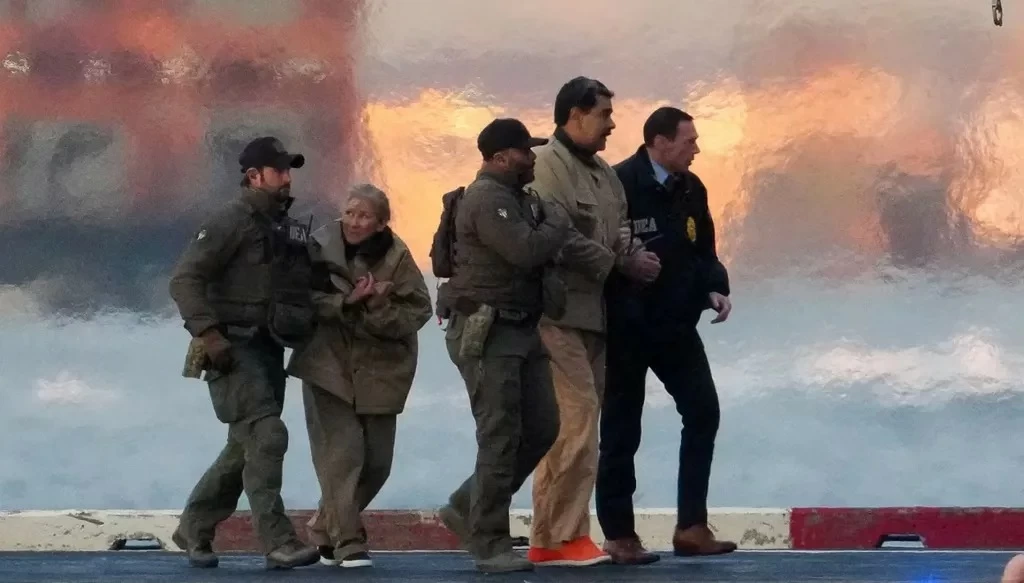
توفي القاضي الفيدرالي الأمريكي ألفين هيلرستين، الذي أشرف على القضية الجنائية المرفوعة ضد الرئيس الفنزويلي السابق نيكولاس مادورو في نيويورك، عن عمر ناهز 92 عاماً، في تطور يثير تساؤلات بشأن مسار المحاكمة المقررة في يونيو 2027.
وأُعلنت وفاة هيلرستين، الأربعاء، وأكدها إدوارد فريدلاند، المسؤول الإداري بمحكمة المنطقة الجنوبية من نيويورك، فيما لم يُعلن في البداية سبب الوفاة. وأفادت المحكمة بأن القضايا التي كان ينظرها القاضي، ومنها قضية مادورو، ستُحال عشوائياً إلى قضاة اتحاديين آخرين.
وكان هيلرستين قد عُيّن قاضياً فيدرالياً عام 1998 بقرار من الرئيس الأمريكي الأسبق بيل كلينتون، وعمل في محكمة مانهاتن لنحو ثلاثة عقود، تولى خلالها قضايا بارزة، من بينها دعاوى مرتبطة بهجمات 11 سبتمبر 2001، وقضايا أخرى شملت الرئيس الأمريكي دونالد ترمب، فضلاً عن محاكمة مادورو.
وجاءت وفاته بعد نحو أسبوعين من ترؤسه جلسة في القضية المرفوعة ضد مادورو وزوجته سيليا فلوريس، اللذين يواجهان اتهامات جنائية في الولايات المتحدة، من بينها التآمر المرتبط بالإرهاب المرتبط بالمخدرات والاتجار بالكوكايين، حيث كان الاثنان قد دفعا ببراءتهما من الاتهامات، فيما يعتزم فريق الدفاع الطعن في قانونية الإجراءات، بما في ذلك مسألة الحصانة المرتبطة بصفة مادورو رئيساً لدولة ذات سيادة.
وكان هيلرستين قد حدد الأول من يونيو 2027 موعداً لبدء المحاكمة، بناء على جدول زمني اتفق عليه الادعاء والدفاع. ومن المتوقع أن يتولى قاض جديد النظر في القضية، لكن لم يتضح على الفور ما إذا كان تغيير القاضي سيؤدي إلى تعديل الجدول الزمني أو تأجيل بعض الإجراءات، في ظل الحاجة إلى الاطلاع على ملف القضية ومذكرات الطرفين.
وتعود القضية إلى اتهامات أمريكية لمادورو باستخدام نفوذه السياسي ومؤسسات الدولة لتسهيل أنشطة تهريب المخدرات إلى الولايات المتحدة، وهي اتهامات ينفيها. وتقول السلطات الأمريكية إن القضية تتعلق بشبكات تهريب واسعة، بينما يطعن فريق الدفاع في الأساس القانوني للملاحقة وفي ظروف نقل مادورو إلى الولايات المتحدة.
وتكتسب المحاكمة أهمية سياسية وقانونية، إذ تجمع بين اتهامات جنائية خطيرة ودفاع محتمل يستند إلى الحصانة السيادية وقانونية القبض على متهم كان يشغل منصب رئيس دولة. وقد يؤدي حسم هذه المسائل الأولية إلى التأثير في نطاق المحاكمة قبل الوصول إلى بحث الأدلة والاتهامات الأساسية.
U.S. Federal Judge Alvin Hellerstein, who oversaw the criminal case against former Venezuelan President Nicolás Maduro in New York, has passed away at the age of 92, in a development that raises questions about the course of the trial scheduled for June 2027.
Hellerstein's death was announced on Wednesday and confirmed by Edward Friedland, the administrative officer of the Southern District Court of New York, although the cause of death was not initially disclosed. The court stated that the cases Hellerstein was handling, including the Maduro case, would be randomly assigned to other federal judges.
Hellerstein was appointed as a federal judge in 1998 by former President Bill Clinton and served in the Manhattan court for nearly three decades, during which he handled prominent cases, including lawsuits related to the September 11, 2001 attacks, as well as other cases involving former President Donald Trump, in addition to the Maduro trial.
His death came about two weeks after he presided over a hearing in the case against Maduro and his wife, Cilia Flores, who face criminal charges in the United States, including conspiracy related to drug trafficking and cocaine smuggling. Both have pleaded not guilty to the charges, while the defense team intends to challenge the legality of the proceedings, including the issue of immunity related to Maduro's status as the head of a sovereign state.
Hellerstein had set June 1, 2027, as the date to begin the trial, based on a timeline agreed upon by the prosecution and defense. A new judge is expected to take over the case, but it was not immediately clear whether the change in judges would lead to adjustments in the timeline or delays in some proceedings, given the need to review the case file and the parties' motions.
The case stems from U.S. allegations that Maduro used his political influence and state institutions to facilitate drug smuggling activities into the United States, allegations he denies. U.S. authorities state that the case involves extensive smuggling networks, while the defense team challenges the legal basis for the prosecution and the circumstances surrounding Maduro's transfer to the United States.
The trial holds significant political and legal importance, as it combines serious criminal charges with a potential defense based on sovereign immunity and the legality of arresting a defendant who held the position of head of state. Resolving these preliminary issues could impact the scope of the trial before reaching the examination of evidence and the core charges.