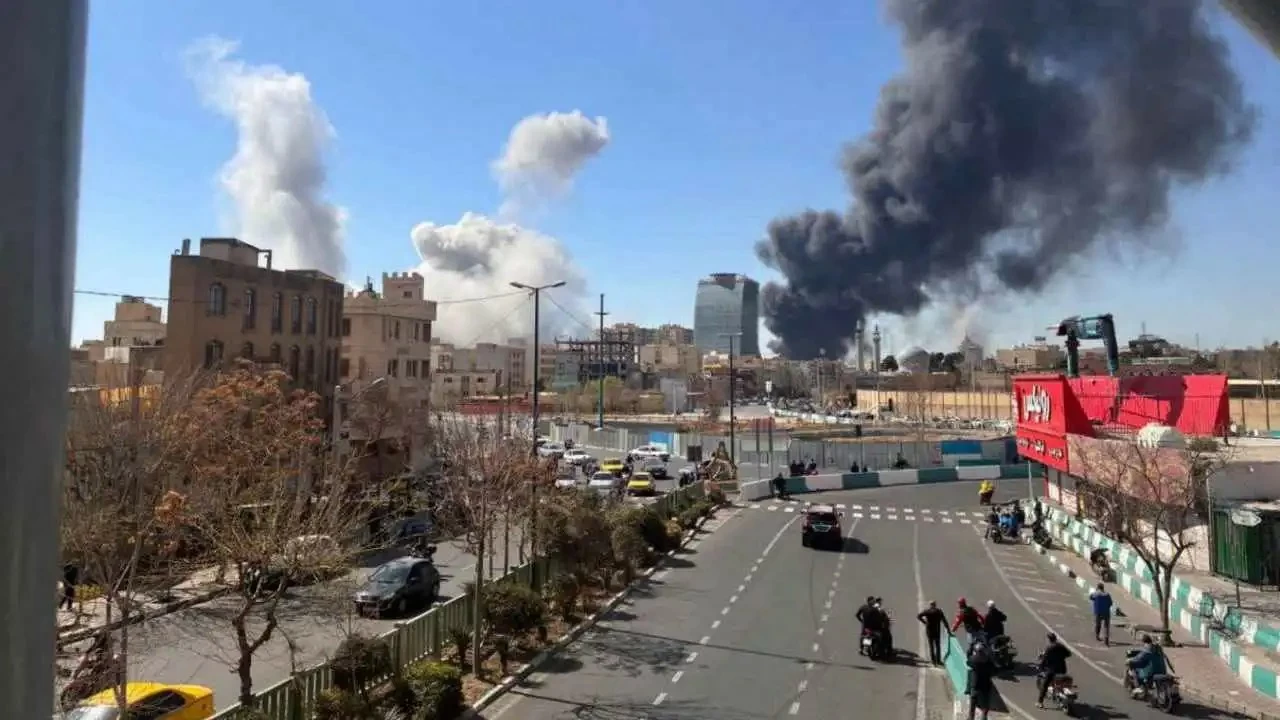
كشف موقع «أكسيوس» الأمريكي أن خطط الضربات العسكرية المحتملة على إيران قد تشمل قيادات في النظام ومنشآت للطاقة والبرنامج النووي والبنية التحتية، في وقت تتواصل فيه التحركات الدبلوماسية لاستئناف المفاوضات بين واشنطن وطهران وتجنب تجدد المواجهة.
ونقل الموقع عن مسؤولين أمريكيين وإسرائيليين ومصادر إقليمية أن السيناريو العسكري المطروح قد يتضمن حملة جوية واسعة تستمر نحو أسبوع، إذا أخفقت الجهود الدبلوماسية في التوصل إلى تفاهم يمهد لاستئناف المفاوضات ويحول دون العودة إلى القتال.
تنسيق عسكري أمريكي إسرائيلي
وفي مؤشر على الاستعدادات العسكرية، أشار «أكسيوس» إلى أن رئيس أركان الجيش الإسرائيلي إيال زامير بحث، الاثنين، مع قائد القيادة المركزية الأمريكية «سنتكوم» الأدميرال براد كوبر، الاستعدادات المرتبطة بهجمات محتملة على إيران.
ولم يفد التقرير بصدور قرار نهائي بشن الضربات أو تحديد موعد لتنفيذها، لكنه أشار إلى احتمال تصاعد فرص استئناف العمليات العسكرية بعد انتخابات التجديد النصفي الأمريكية المقررة في 3 نوفمبر، إذا لم تنجح الوساطات في تحقيق تقدم بين الجانبين.
وفي مقابل التحركات العسكرية، تستمر جهود الوساطة لاستئناف المفاوضات، سعياً إلى إيجاد صيغة تتيح العودة إلى المحادثات النووية وتجنب موجة جديدة من الضربات قد توسع نطاق المواجهة في المنطقة.
وتشمل المقترحات المطروحة، وفقاً للمصادر التي نقل عنها الموقع، السماح لمفتشي الأمم المتحدة بزيارة المنشآت النووية الإيرانية التي تعرضت للقصف، مقابل تخفيف بعض العقوبات الأمريكية، بما يتيح لواشنطن الحصول على ضمانات بشأن البرنامج النووي الإيراني، ويمنح طهران متنفساً اقتصادياً.
اليورانيوم والعقوبات يُعقِّدان التفاهم
ولا تزال الخلافات قائمة بين الطرفين، خصوصاً بشأن مخزون إيران من اليورانيوم المخصب؛ إذ تطالب واشنطن بتنازلات تتعلق بالبرنامج النووي، فيما تسعى طهران إلى رفع الضغوط الأمريكية، بما في ذلك الحصار البحري والإفراج عن أموالها المجمدة، وفق ما أورده «أكسيوس».
وتأتي هذه التحركات في ظل تداعيات المواجهة العسكرية السابقة بين الولايات المتحدة وإسرائيل من جهة وإيران من جهة أخرى، التي شهدت استهداف منشآت نووية وعسكرية إيرانية، وردوداً إيرانية وهجمات طالت مصالح وقواعد أمريكية في المنطقة.
وتزيد احتمالات استهداف منشآت الطاقة من مخاطر التصعيد، في ظل ما قد يترتب على ذلك من تداعيات على الاقتصاد الإيراني وأسواق النفط وأمن الملاحة، فيما قد يؤدي استهداف قيادات إيرانية إلى ردود انتقامية جديدة، بما يعقد الجهود الرامية إلى احتواء المواجهة.
The American website "Axios" revealed that potential military strike plans against Iran may include targeting leaders of the regime, energy facilities, the nuclear program, and infrastructure, at a time when diplomatic efforts continue to resume negotiations between Washington and Tehran and avoid a renewed confrontation.
The site reported that American and Israeli officials, along with regional sources, indicated that the proposed military scenario could involve a wide-ranging air campaign lasting about a week if diplomatic efforts fail to reach an understanding that paves the way for resuming negotiations and prevents a return to fighting.
U.S.-Israeli Military Coordination
In a sign of military preparations, "Axios" noted that Israeli Chief of Staff Eyal Zamir discussed, on Monday, with U.S. Central Command (CENTCOM) Admiral Brad Cooper, the preparations related to potential attacks on Iran.
The report did not indicate that a final decision had been made to launch strikes or set a date for their execution, but it pointed to the possibility of increased chances for resuming military operations after the upcoming U.S. midterm elections scheduled for November 3, if mediation efforts do not succeed in making progress between the two sides.
In contrast to military movements, mediation efforts to resume negotiations continue, seeking to find a formula that allows a return to nuclear talks and avoids a new wave of strikes that could escalate the confrontation in the region.
The proposed suggestions, according to the sources cited by the site, include allowing UN inspectors to visit the Iranian nuclear facilities that were targeted, in exchange for easing some U.S. sanctions, which would enable Washington to obtain guarantees regarding the Iranian nuclear program and provide Tehran with economic relief.
Uranium and Sanctions Complicate Understanding
Disagreements remain between the two sides, particularly regarding Iran's stockpile of enriched uranium; Washington demands concessions related to the nuclear program, while Tehran seeks to lift U.S. pressures, including the maritime blockade and the release of its frozen funds, according to "Axios."
These movements come amid the repercussions of the previous military confrontation between the United States and Israel on one side and Iran on the other, which saw the targeting of Iranian nuclear and military facilities, Iranian responses, and attacks on U.S. interests and bases in the region.
The likelihood of targeting energy facilities increases the risks of escalation, given the potential repercussions on the Iranian economy, oil markets, and maritime security, while targeting Iranian leaders could lead to new retaliatory responses, complicating efforts to contain the confrontation.