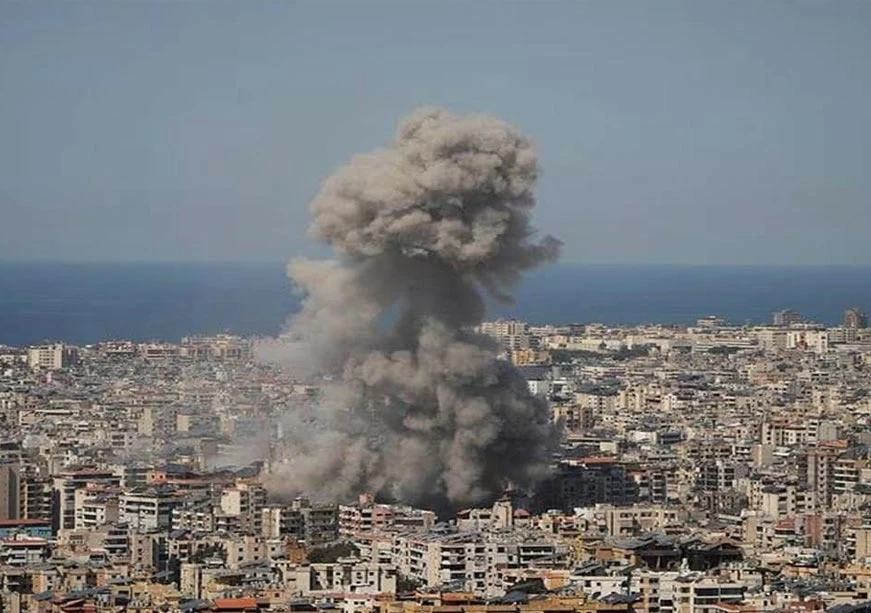
تجاوزت تكلفة الحرب الأمريكية على إيران 47 مليار دولار حتى الآن، بزيادة تزيد على 25% مقارنة بالتقديرات التي أعلنتها وزارة الدفاع الأمريكية في يوليو الماضي، وفقًا لبيانات من البنتاغون، حسبما أفادت وكالة «رويترز».
ويأتي الكشف عن ارتفاع النفقات العسكرية في وقت يواجه فيه الحزب الجمهوري تداعيات سياسية مرتبطة بالحرب، مع اقتراب انتخابات الثالث من نوفمبر، التي ستحدد الحزب المسيطر على مجلسي الكونغرس الأمريكي خلال العامين المقبلين.
ارتفاع تكاليف الطاقة يضغط على الجمهوريين
وأثرت تداعيات الحرب على تكاليف الطاقة العالمية في مستويات الدعم التي يحظى بها المرشحون الجمهوريون، كما انعكست على معدلات تأييد الرئيس الأمريكي دونالد ترمب، وفقًا للتقرير.
ويتمتع الحزب الجمهوري بأغلبية ضئيلة في مجلسي الكونغرس، ما يضع تكلفة الحرب وآثارها الاقتصادية ضمن الملفات التي قد تواجه اهتمامًا سياسيًا متزايدًا مع اقتراب الانتخابات.
الذخائر والمعدات العسكرية ترفع الفاتورة
وتتضمن أحدث تقديرات البنتاغون تكاليف العمليات العسكرية المرتبطة بالحرب، إلى جانب نفقات تعويض الذخائر والمعدات التي استُهلكت أو فُقدت خلال العمليات.
وتشير التقديرات إلى أن تعويض الذخائر المستخدمة في الحرب قد يتطلب أكثر من 29 مليار دولار، بينما قد تتجاوز تكلفة استبدال المعدات العسكرية وما يُعرف بخسائر المنصات العسكرية 6 مليارات دولار.
وتشمل خسائر المنصات الطائرات التي فُقدت خلال الحرب، ومن بينها عدد كبير من الطائرات المسيّرة.
وتعكس هذه الأرقام حجم الموارد المطلوبة لمواصلة العمليات العسكرية، فضلًا عن إعادة بناء المخزونات العسكرية وتعويض المعدات التي خرجت من الخدمة.
استراتيجية عسكرية تغيرت مع تطورات الحرب
وكان الرئيس الأمريكي دونالد ترمب قد أطلق الحرب على إيران بالتعاون مع إسرائيل في فبراير الماضي، متوقعًا أن تستمر لفترة قصيرة.
واعتمدت الاستراتيجية الأمريكية في مرحلتها الأولى على استخدام صواريخ دقيقة مرتفعة التكلفة لاستهداف الدفاعات الإيرانية، تمهيدًا للاعتماد لاحقًا على ذخائر أقل تكلفة، من بينها القنابل غير الموجهة المزودة بأنظمة التوجيه المعروفة باسم «جدام» (JDAM)، التي تتوافر منها مخزونات كبيرة.
لكن وقف إطلاق النار الذي دخل حيز التنفيذ في أبريل أتاح لإيران، بحسب التقرير، وقتًا للعمل على إخراج منشآت تخزين تحت الأرض من العزلة وإعادة تشغيل بعض أنظمة الدفاع، إلى جانب استعادة إمكانية استخدام صواريخ وطائرات مسيّرة لم تكن متاحة سابقًا.
حصار بحري واحتمالات استئناف القتال
وفرض ترمب لاحقًا حصارًا بحريًا على إيران بهدف تقليص عائداتها من صادرات النفط، كما أبقى احتمال استئناف العمليات القتالية مطروحًا بعد انتخابات التجديد النصفي للكونجرس.
ونقلت «رويترز» عن مسؤولين أمريكيين، أن البنتاغون يخطط لاحتمال استئناف القتال واسع النطاق إذا صدرت أوامر بذلك.
وتأتي هذه التطورات في ظل استمرار التساؤلات بشأن المدة المحتملة للصراع، وحجم الموارد التي قد تحتاج إليها الولايات المتحدة إذا عادت العمليات العسكرية إلى التصعيد.
تقديرات تتجاوز أرقام يوليو ولا تشمل جميع الأضرار بوضوح
وتُظهر المقارنة بين الأرقام الحالية والتقديرات السابقة ارتفاعًا ملحوظًا في تكلفة الحرب؛ إذ قدّر وزير الدفاع الأمريكي بيت هيغسيث، في يوليو الماضي، النفقات المرتبطة بالصراع بنحو 37.5 مليار دولار، قبل أن تتجاوز التكلفة الإجمالية، وفق البيانات الجديدة 47 مليار دولار.
ورغم أن التقديرات تشمل مجموعة واسعة من النفقات التشغيلية، بدءًا من عمليات الطيران وصولًا إلى الدعم السيبراني، فإنها لا توضح بصورة كاملة كيفية احتساب التكاليف الكبيرة المتوقعة لإصلاح الأضرار التي لحقت بالقواعد العسكرية الأمريكية جراء الهجمات الإيرانية بالصواريخ والطائرات المسيّرة.
ويثير ذلك احتمال وجود أعباء مالية إضافية لا تظهر بوضوح في الأرقام المعلنة، في وقت تظل فيه التكلفة النهائية للحرب مرتبطة بتطورات العمليات العسكرية، وحجم الأضرار، والاحتياجات اللازمة لتعويض الذخائر والمعدات وإصلاح المنشآت المتضررة.
The cost of the American war on Iran has surpassed $47 billion so far, an increase of more than 25% compared to the estimates announced by the U.S. Department of Defense last July, according to data from the Pentagon, as reported by Reuters.
The revelation of rising military expenses comes at a time when the Republican Party is facing political repercussions related to the war, with the elections on November 3 approaching, which will determine the dominant party in both houses of the U.S. Congress for the next two years.
Rising energy costs pressure Republicans
The repercussions of the war have affected global energy costs and the level of support for Republican candidates, as well as reflecting on the approval ratings of U.S. President Donald Trump, according to the report.
The Republican Party holds a slim majority in both houses of Congress, placing the cost of the war and its economic impacts among the issues that may face increasing political attention as the elections draw near.
Military supplies and equipment raise the bill
The latest Pentagon estimates include the costs of military operations related to the war, along with expenses for replenishing munitions and equipment that were consumed or lost during operations.
Estimates suggest that replenishing the munitions used in the war could require more than $29 billion, while the cost of replacing military equipment and what is known as platform losses could exceed $6 billion.
Platform losses include aircraft that were lost during the war, including a significant number of drones.
These figures reflect the scale of resources required to continue military operations, as well as to rebuild military stocks and replace equipment that has gone out of service.
Military strategy changed with developments in the war
U.S. President Donald Trump launched the war on Iran in collaboration with Israel last February, expecting it to be short-lived.
The initial phase of the American strategy relied on using high-cost precision missiles to target Iranian defenses, paving the way for later reliance on less expensive munitions, including unguided bombs equipped with guidance systems known as JDAM, of which there are large stockpiles.
However, the ceasefire that came into effect in April allowed Iran, according to the report, time to work on bringing underground storage facilities out of isolation and to reactivate some defense systems, as well as to regain the ability to use missiles and drones that were not previously available.
Naval blockade and the possibility of resuming fighting
Trump later imposed a naval blockade on Iran to reduce its revenues from oil exports, while keeping the possibility of resuming combat operations open after the midterm congressional elections.
Reuters quoted U.S. officials as saying that the Pentagon is planning for the possibility of resuming large-scale fighting if ordered to do so.
These developments come amid ongoing questions about the potential duration of the conflict, and the scale of resources the United States may need if military operations escalate again.
Estimates exceed July figures and do not clearly include all damages
A comparison between the current figures and previous estimates shows a significant increase in the cost of the war; U.S. Secretary of Defense Pete Hegseth estimated the expenses related to the conflict at about $37.5 billion last July, before the total cost, according to the new data, surpassed $47 billion.
Although the estimates include a wide range of operational expenses, from flight operations to cyber support, they do not fully clarify how the large expected costs for repairing damages to U.S. military bases due to Iranian missile and drone attacks are calculated.
This raises the possibility of additional financial burdens that are not clearly reflected in the announced figures, while the final cost of the war remains tied to developments in military operations, the extent of the damages, and the needs required to replenish munitions and equipment and repair damaged facilities.