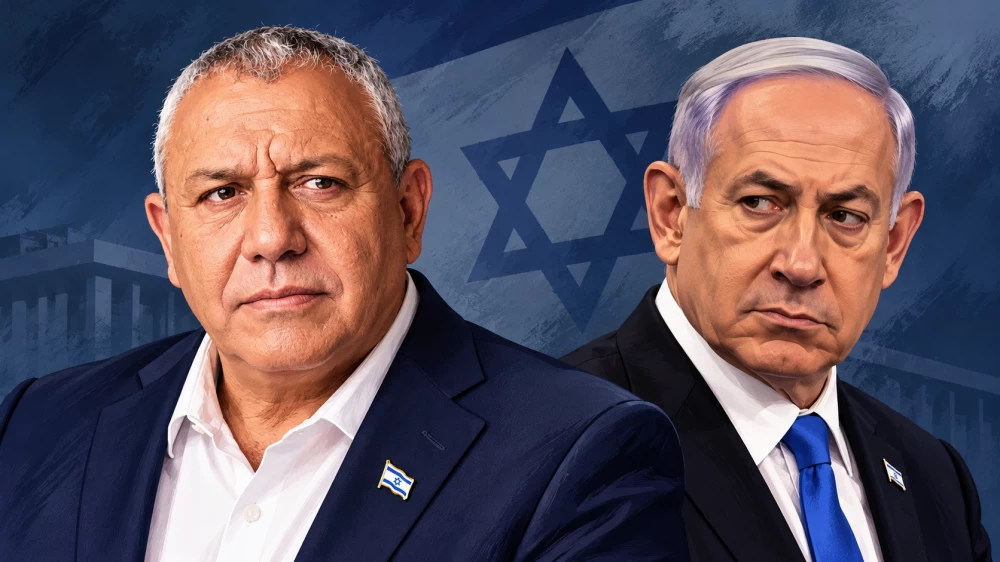
اعتبر زعيم حزب «يشار» الإسرائيلي غادي آيزنكوت أن بلاده دخلت مرحلة جديدة في تاريخها، مؤكداً أن نتائج التصويت تعكس رفض الناخبين استمرار رئيس الوزراء بنيامين نتنياهو في السلطة، بعدما فقد ثقة الشعب الإسرائيلي.
وقال آيزنكوت، خلال مؤتمر صحفي أعقب صدور استطلاعات نتائج الانتخابات الإسرائيلية التي أظهرت تقدم المعارضة، إن الحياة السياسية لنتنياهو انتهت، متهماً إياه بترسيخ «ثقافة الكذب والفشل».
وتعهد بالعمل على تشكيل حكومة مستقرة تمثل مختلف أطياف المجتمع الإسرائيلي، محذراً من أن إجراء انتخابات جديدة سيكون خطأ، ومشيراً إلى أن الحكومة التي يسعى لتشكيلها ستواجه تحديات اقتصادية كبيرة.
تعهدات أمنية ومرحلة جديدة
وفي ما يتعلق بالملف الأمني، أكد آيزنكوت أن حكومته ستكون ملتزمة بتقويض حركة حماس والقضاء عليها، معتبراً أن إسرائيل تتجه نحو عهد جديد.
ورغم تأكيده أن اتجاه تصويت الناخبين أصبح واضحاً، شدد آيزنكوت على ضرورة انتظار النتائج النهائية، خصوصاً أن استطلاعات إغلاق صناديق الاقتراع أظهرت في تحديثاتها تبايناً وتقارباً بين المعسكرين، قبل أن تشير بعض التقديرات إلى تقدم المعارضة.
تعادل المعسكرين في استطلاعات الانتخابات
وأظهرت استطلاعات أعلنتها هيئة البث الإسرائيلية تعادل المعارضة ومعسكر نتنياهو بحصول كل منهما على 51 مقعداً، مقابل 18 مقعداً للأحزاب العربية.
وأُغلقت صناديق الاقتراع في الانتخابات الإسرائيلية بنسبة مشاركة بلغت 77.7%، وهي الأعلى منذ عام 2001، فيما أعلنت لجنة الانتخابات الإسرائيلية أن نتائج التصويت ستصدر تدريجياً، وفقاً لـ«العربية».
وتُعد هذه الانتخابات أول اختبار انتخابي لنتنياهو منذ أحداث السابع من أكتوبر 2023، وما أعقبها من حرب على جبهات متعددة، في ظل انقسامات سياسية بشأن أداء الحكومة وملفات الأمن والخدمة العسكرية.
وتتركز التحديات أمام المعسكرين في تأمين أغلبية 61 مقعداً من أصل 120 مقعداً في الكنيست، اللازمة لتشكيل الحكومة، وسط تشتت أصوات المعارضة وتعدد الأحزاب الصغيرة التي قد تؤدي دوراً حاسماً في ترجيح كفة المفاوضات.
ووفق النظام الانتخابي النسبي في إسرائيل، يتعين على القوائم الانتخابية تجاوز نسبة الحسم البالغة 3.25% لدخول الكنيست، فيما قد تمتد مفاوضات تشكيل الحكومة لأسابيع في حال عدم حصول أي معسكر على أغلبية واضحة.
The leader of the Israeli "Yesh Atid" party, Gadi Eisenkot, considered that his country has entered a new phase in its history, affirming that the voting results reflect the voters' rejection of Prime Minister Benjamin Netanyahu's continued rule, after he lost the trust of the Israeli people.
Eisenkot stated during a press conference following the release of the Israeli election exit polls, which showed the opposition's lead, that Netanyahu's political life is over, accusing him of entrenching a "culture of lies and failure."
He pledged to work on forming a stable government that represents various segments of Israeli society, warning that holding new elections would be a mistake, and pointing out that the government he aims to form will face significant economic challenges.
Security Commitments and a New Phase
Regarding the security file, Eisenkot confirmed that his government will be committed to undermining and eliminating Hamas, considering that Israel is heading towards a new era.
Despite confirming that the direction of voter sentiment has become clear, Eisenkot emphasized the need to wait for the final results, especially since the exit polls showed variations and closeness between the two camps before some estimates indicated the opposition's lead.
Equal Standing of the Camps in Election Polls
The polls announced by the Israeli Broadcasting Authority showed that the opposition and Netanyahu's camp are tied, with each obtaining 51 seats, compared to 18 seats for the Arab parties.
The polling stations in the Israeli elections closed with a turnout of 77.7%, the highest since 2001, while the Israeli Election Committee announced that the voting results will be released gradually, according to "Al Arabiya."
This election is the first electoral test for Netanyahu since the events of October 7, 2023, and the subsequent war on multiple fronts, amid political divisions regarding the government's performance and issues of security and military service.
The challenges facing both camps center on securing a majority of 61 seats out of 120 in the Knesset, necessary to form a government, amidst the fragmentation of opposition votes and the presence of several small parties that may play a decisive role in tipping the scales of negotiations.
According to the proportional electoral system in Israel, electoral lists must surpass the threshold of 3.25% to enter the Knesset, while negotiations to form a government may extend for weeks if no camp achieves a clear majority.