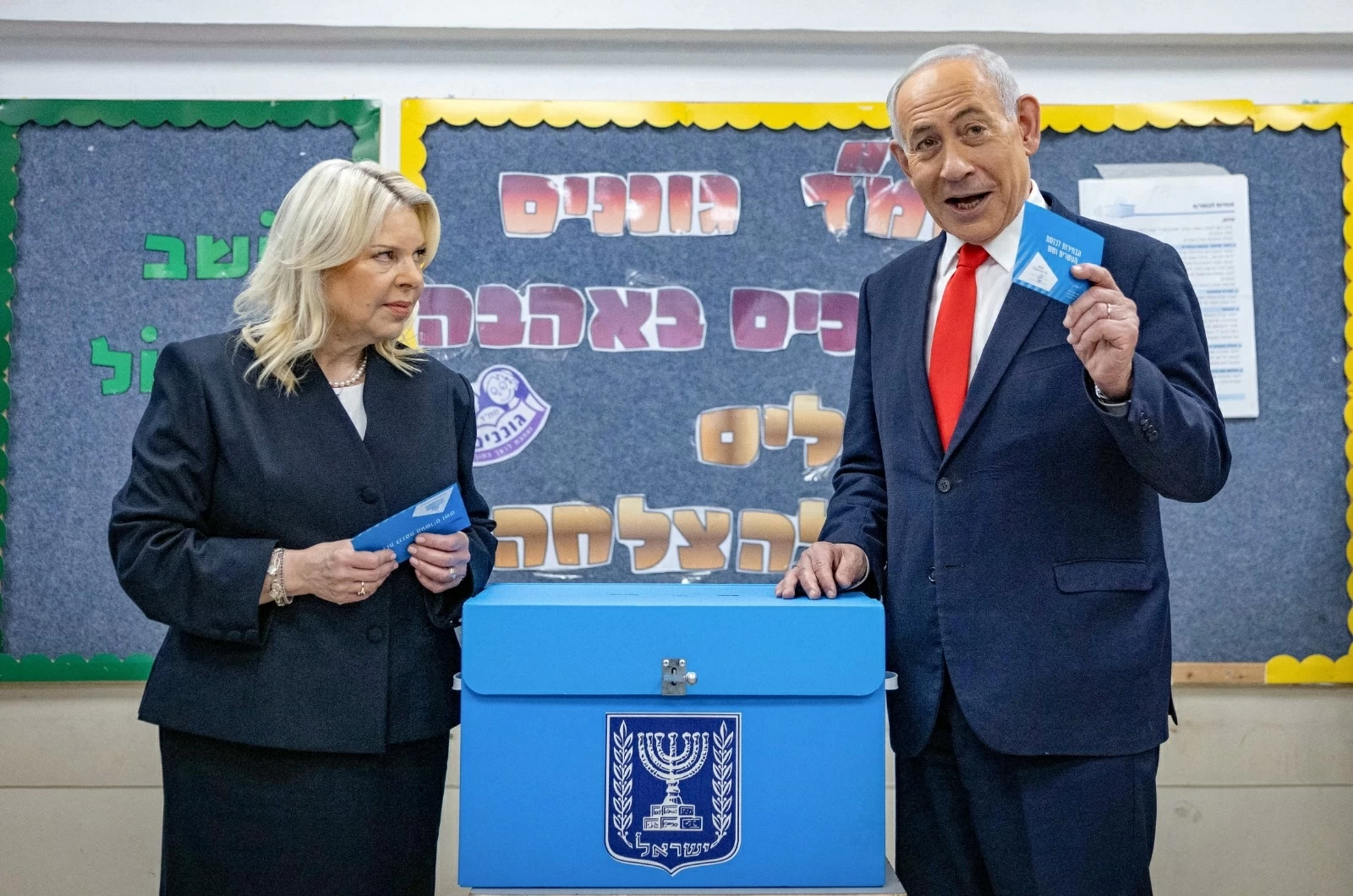
سجلت انتخابات الكنيست الإسرائيلي اليوم (الثلاثاء)، إقبالاً قياسياً، إذ بلغت نسبة المشاركة 66.7% حتى السادسة مساءً بالتوقيت المحلي، مقارنة بـ57.7% في التوقيت نفسه خلال انتخابات 2022، وسط تحركات مكثفة لرئيس الوزراء بنيامين نتنياهو وحلفائه لحشد ناخبي اليمين، ومخاوف من تأثير المشاركة المرتفعة على فرص الأحزاب الصغيرة في دخول الكنيست.
وتقدم حزب «الليكود» بطلب إلى لجنة الانتخابات المركزية لتمديد التصويت إلى ما بعد العاشرة مساءً، بدعم من أحزاب «شاس» و«عوتسما يهوديت» و«شعب إسرائيل»، مبرراً ذلك بازدحام مراكز الاقتراع. في المقابل، عارض حزب «ياشار» بزعامة جادي آيزنكوت الطلب، معتبراً أنه لا توجد ظروف استثنائية تبرر التمديد، ومتهماً الليكود بمحاولة التشكيك في نزاهة الانتخابات. وأكدت لجنة الانتخابات أن الناخبين الموجودين في الطوابير عند موعد الإغلاق سيتمكنون من التصويت.
وكثف نتنياهو وحلفاؤه تحركاتهم الميدانية، ودعا رئيس الوزراء الإسرائيليين إلى التصويت لليكود، فيما نسق مع وزير المالية بتسلئيل سموتريتش جهود حشد الناخبين، وأطلق وزير الأمن القومي إيتمار بن جفير حملة ميدانية في بات يام.
واتهم نتنياهو أطرافاً بمحاولة «سرقة الانتخابات»، مدعياً اعتقال ثلاثة مسؤولين من القائمة العربية الموحدة بحوزتهم أموالاً، دون تقديم أدلة. في المقابل، نفت لجنة الانتخابات وجود مؤشرات على تلاعب منهجي، مؤكدة التعامل مع الشكاوى الفردية.
وسجلت مدينة رهط العربية مشاركة بلغت 60.6% حتى الرابعة مساءً، فيما أعلن الجيش الإسرائيلي أن 68% من جنوده أدلوا بأصواتهم حتى الخامسة مساءً. ويتنافس في الانتخابات 36 قائمة على 120 مقعداً، فيما يبقى توزيع المقاعد مرهوناً بنتائج الفرز وتجاوز القوائم الصغيرة العتبة الانتخابية.
The Israeli Knesset elections today (Tuesday) recorded a historic turnout, with participation reaching 66.7% by 6 PM local time, compared to 57.7% at the same time during the 2022 elections, amid intensive efforts by Prime Minister Benjamin Netanyahu and his allies to rally right-wing voters, and concerns about the impact of high participation on the chances of smaller parties entering the Knesset.
The Likud party submitted a request to the Central Elections Committee to extend voting beyond 10 PM, supported by the Shas, Otzma Yehudit, and the People of Israel parties, justifying it by the overcrowding at polling stations. In contrast, the Yashar party, led by Gadi Eisenkot, opposed the request, arguing that there were no exceptional circumstances to justify the extension, accusing Likud of attempting to undermine the integrity of the elections. The Elections Committee confirmed that voters in line at the closing time would be able to vote.
Netanyahu and his allies intensified their field efforts, with the Prime Minister urging Israelis to vote for Likud, while coordinating with Finance Minister Bezalel Smotrich on voter mobilization efforts, and National Security Minister Itamar Ben Gvir launching a field campaign in Bat Yam.
Netanyahu accused some parties of attempting to "steal the elections," claiming the arrest of three officials from the United Arab List who were found with money, without providing evidence. In response, the Elections Committee denied the existence of indicators of systematic manipulation, confirming that they were addressing individual complaints.
The Arab city of Rahat recorded a turnout of 60.6% by 4 PM, while the Israeli army announced that 68% of its soldiers had cast their votes by 5 PM. A total of 36 lists are competing in the elections for 120 seats, with the distribution of seats dependent on the results of the counting and whether smaller lists surpass the electoral threshold.