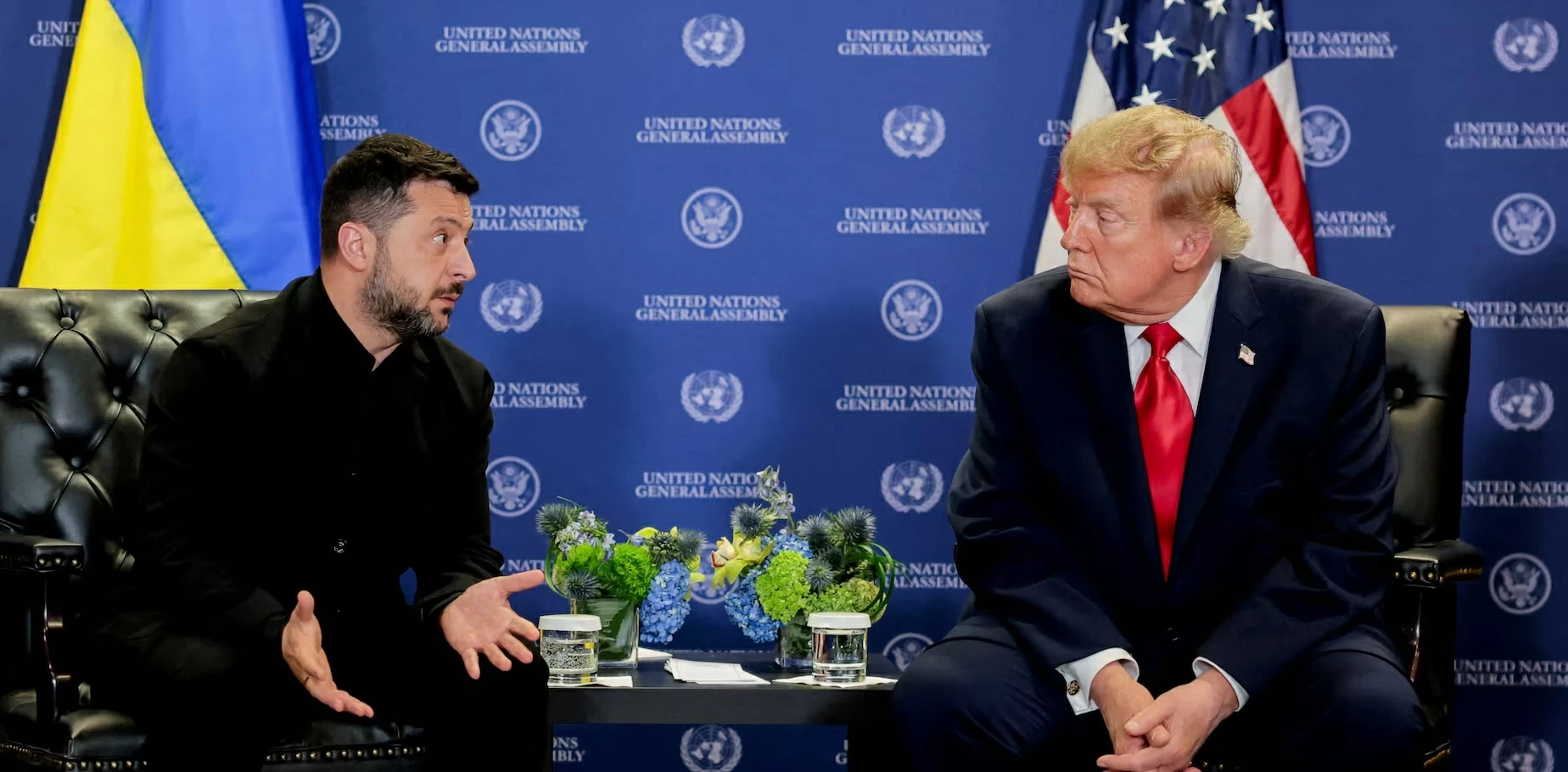
تتزايد الضغوط السياسية على الرئيس الأوكراني فولوديمير زيلينسكي، في وقت تتراجع فيه أولوية الحرب الأوكرانية على أجندة الرئيس الأمريكي دونالد ترمب، الذي يسعى إلى تحقيق اختراق في مسار التسوية مع روسيا قبل انتخابات التجديد النصفي للكونغرس في نوفمبر القادم.
وبين حسابات ترمب الانتخابية، وتمسك زيلينسكي بمواقفه حيال الشروط الروسية، تبدو العلاقات بين واشنطن وكييف أمام مرحلة أكثر تعقيداً، خصوصاً مع تصاعد الخلافات بشأن التنازلات الإقليمية والضمانات الأمنية التي يفترض أن تتضمنها أي تسوية محتملة.
ولم يعد التوتر بين الرئيسين مقتصراً على الخلافات الشخصية، التي ظهرت بوضوح خلال لقائهما العاصف في البيت الأبيض في فبراير 2025، بل امتد إلى مستقبل الدعم الأمريكي لأوكرانيا، وحدود استعداد واشنطن لمواصلة تحمل أعباء الحرب.
حسابات انتخابية تضغط على كييف
يربط مراقبون تشدد موقف ترمب تجاه زيلينسكي برغبته في تحقيق إنجاز سياسي خارجي، يعزز موقف الجمهوريين قبل الانتخابات النصفية، في ظل تحديات داخلية وضغوط اقتصادية مرتبطة بارتفاع أسعار الطاقة وتداعيات المواجهة مع إيران.
ويرى المراقبون أن استمرار رفض كييف بعض الطروحات الأمريكية للتسوية بات يمثل عقبة أمام مساعي ترمب لإنهاء الحرب سريعاً، خصوصاً مع استمرار الدعم الأوروبي للموقف الأوكراني.
وتعكس تصريحات ترمب بشأن ضرورة تغيير القيادة الأوكرانية اتساع الهوة بين الطرفين، فيما يواصل الكرملين إظهار ارتياحه للتحركات الأمريكية، معتبراً أن القيادة الأوكرانية لم تعد قادرة على تغيير مسار المواجهة.
الدعم الأمريكي.. مؤشرات مقلقة
على الرغم من استمرار بعض أشكال التعاون العسكري والاستخباراتي بين واشنطن وكييف، فإن تقارير إعلامية تحدثت عن عراقيل تواجه وصول إمدادات عسكرية أمريكية إلى أوكرانيا، من بينها صواريخ اعتراضية سبق أن مولت دول أخرى شراءها.
كما أثارت تقارير عن تراجع مستوى تبادل المعلومات الاستخباراتية، وفرض قيود على بعض خدمات الاتصالات الفضائية، تساؤلات بشأن مستقبل المساندة الأمريكية للقوات الأوكرانية.
وتكتسب هذه التطورات أهمية خاصة في ظل اعتماد كييف على القدرات الأمريكية في الدفاع الجوي والمعلومات الاستخباراتية، وهو ما يجعل أي تقليص لهذه المساعدات عاملاً مؤثراً في قدرتها على مواصلة الحرب.
وكان زيلينسكي قد أقر بصعوبة استمرار المواجهة دون دعم واشنطن، بالتزامن مع اعترافه بتحول جانب كبير من الاهتمام الدولي نحو تطورات الشرق الأوسط.
ملفات الفساد تزيد الضغوط
ولا تقتصر التحديات التي يواجهها زيلينسكي على خلافاته مع الإدارة الأمريكية، إذ تتزامن الضغوط الخارجية مع قضايا فساد طالت شخصيات من دائرته السياسية والمقربة منه.
وتناولت تقارير إعلامية تحقيقات واتهامات مرتبطة بمسؤولين وشخصيات بارزة، من بينهم مدير مكتبه أندريه يرماك، ورجل الأعمال تيمور مينديتش، الذي ارتبط اسمه سابقاً بزيلينسكي من خلال شركة الإنتاج الفني «كفارتال 95».
وتوفر هذه الملفات مادة إضافية لانتقادات ترمب، الذي دأب على التشكيك في حجم المساعدات الأمريكية المقدمة لأوكرانيا وآليات الرقابة على إنفاقها خلال إدارة الرئيس السابق جو بايدن.
زيلينسكي أمام خيارات صعبة
تضع هذه التطورات الرئيس الأوكراني أمام معادلة سياسية وعسكرية شديدة التعقيد؛ فالموافقة على تسوية تتضمن تنازلات إقليمية قد تثير اعتراضات داخلية واسعة، بينما يحمل استمرار رفض المقترحات المطروحة مخاطر اتساع الخلاف مع واشنطن.
وفي المقابل، لا يبدو الدعم الأوروبي، على أهميته، كافياً بالضرورة لتعويض جميع القدرات العسكرية والاستخباراتية التي توفرها الولايات المتحدة.
ومع اقتراب الانتخابات الأمريكية النصفية، يتزايد الضغط الزمني على مساعي التسوية، فيما يحاول زيلينسكي الحفاظ على الدعم الغربي دون تقديم تنازلات يعتبرها تهديداً لمستقبل بلاده.
وبين إصرار ترمب على إنهاء الحرب وفق حساباته السياسية، وتمسك زيلينسكي بشروطه، يبقى السؤال الأبرز: هل تنجح الضغوط الأمريكية في دفع كييف إلى تسوية لا ترغب فيها، أم تتحول الخلافات بين الحليفين إلى أزمة تعيد رسم مستقبل القيادة الأوكرانية؟
Political pressures are increasing on Ukrainian President Volodymyr Zelensky, at a time when the priority of the Ukrainian war is diminishing on the agenda of U.S. President Donald Trump, who is seeking to achieve a breakthrough in the settlement with Russia before the upcoming midterm elections in November.
Between Trump's electoral calculations and Zelensky's steadfastness regarding Russian conditions, the relationship between Washington and Kyiv appears to be entering a more complicated phase, especially with the escalation of disagreements over territorial concessions and security guarantees that should be included in any potential settlement.
The tension between the two presidents is no longer limited to personal disagreements, which were clearly evident during their stormy meeting at the White House in February 2025, but has extended to the future of U.S. support for Ukraine and the limits of Washington's willingness to continue bearing the burdens of the war.
Electoral calculations pressuring Kyiv
Observers link Trump's hardening stance towards Zelensky to his desire to achieve an external political accomplishment that would bolster the Republicans' position ahead of the midterm elections, amid internal challenges and economic pressures related to rising energy prices and the repercussions of the confrontation with Iran.
Observers believe that Kyiv's continued rejection of some U.S. proposals for a settlement has become an obstacle to Trump's efforts to end the war quickly, especially with ongoing European support for the Ukrainian position.
Trump's statements about the need for a change in Ukrainian leadership reflect the widening gap between the two sides, while the Kremlin continues to express its satisfaction with U.S. moves, considering that the Ukrainian leadership is no longer capable of changing the course of the confrontation.
U.S. support... concerning indicators
Despite the continuation of some forms of military and intelligence cooperation between Washington and Kyiv, media reports have mentioned obstacles facing the arrival of U.S. military supplies to Ukraine, including interceptor missiles that other countries had previously funded their purchase.
Reports about a decline in the level of intelligence sharing and the imposition of restrictions on some satellite communication services have raised questions about the future of U.S. support for Ukrainian forces.
These developments are particularly significant given Kyiv's reliance on U.S. capabilities in air defense and intelligence, making any reduction in this assistance a significant factor in its ability to continue the war.
Zelensky has acknowledged the difficulty of continuing the confrontation without Washington's support, coinciding with his recognition of a significant shift in international attention towards developments in the Middle East.
Corruption files increase pressures
The challenges facing Zelensky are not limited to his disagreements with the U.S. administration, as external pressures coincide with corruption issues involving figures from his political circle and close associates.
Media reports have addressed investigations and accusations related to officials and prominent figures, including his chief of staff Andriy Yermak and businessman Tymur Mendyts, who had previously been associated with Zelensky through the production company "Kvartal 95."
These files provide additional material for Trump's criticisms, who has consistently questioned the size of U.S. aid provided to Ukraine and the oversight mechanisms for its spending during the administration of former President Joe Biden.
Zelensky facing difficult choices
These developments place the Ukrainian president in a highly complex political and military equation; agreeing to a settlement that includes territorial concessions may provoke widespread internal objections, while continuing to reject the proposed suggestions carries the risk of widening the rift with Washington.
On the other hand, European support, while important, does not necessarily suffice to compensate for all the military and intelligence capabilities provided by the United States.
As the U.S. midterm elections approach, the time pressure on settlement efforts is increasing, while Zelensky tries to maintain Western support without making concessions that he considers a threat to his country's future.
Amid Trump's insistence on ending the war according to his political calculations and Zelensky's adherence to his conditions, the most pressing question remains: Will U.S. pressures succeed in pushing Kyiv towards a settlement it does not desire, or will the disagreements between the allies turn into a crisis that reshapes the future of Ukrainian leadership?