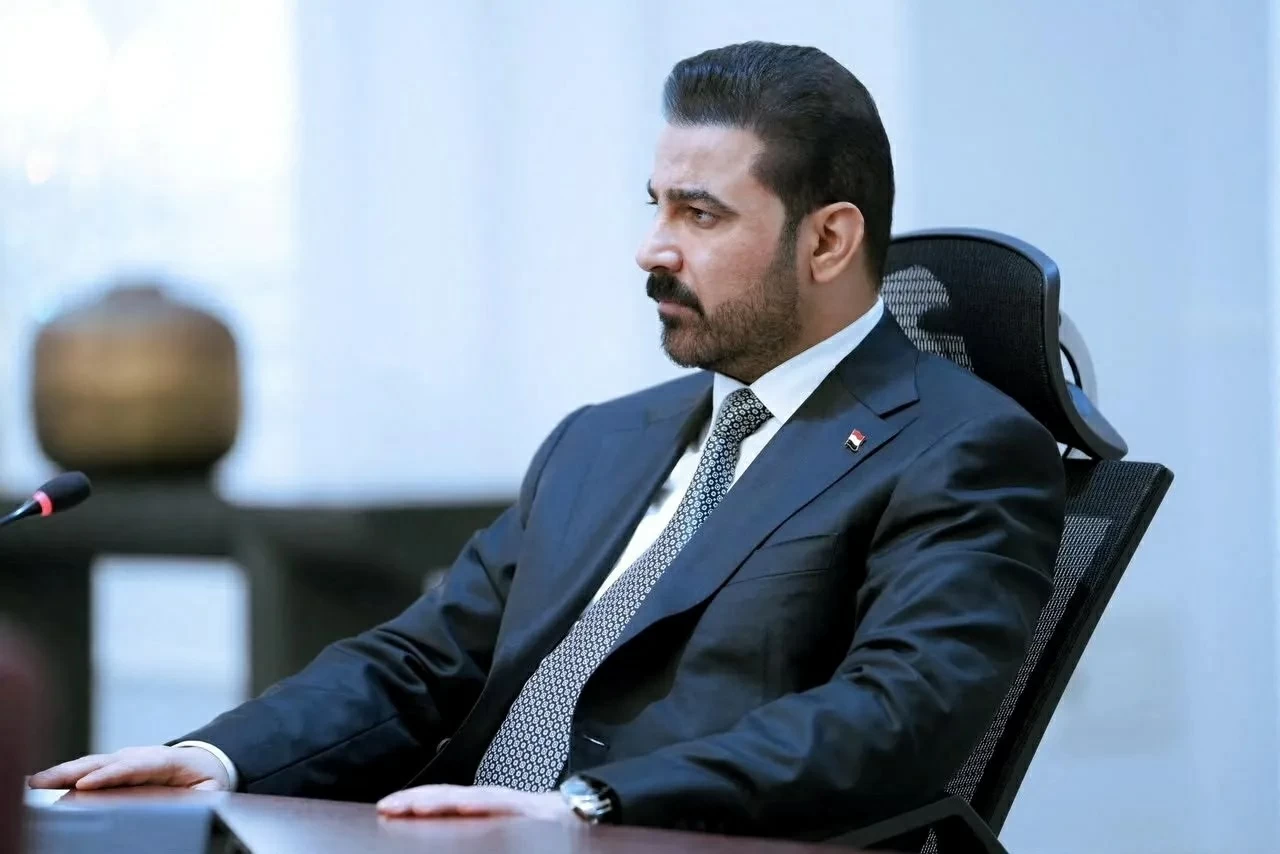
أكد رئيس الحكومة العراقية علي الزيدي أن زيارته للسعودية كانت رسالة إيجابية، موضحاً أنه ناقش مع ولي العهد رئيس مجلس الوزراء الأمير محمد بن سلمان أمن المنطقة ومستقبل العلاقات الثنائية، في إطار مساعي تعزيز الروابط مع الرياض وبقية دول الخليج.
لن نشارك في أي حرب بالمنطقة
وشدد الزيدي في مقابلة مع تلفزيون «العراقية»، أمس (الجمعة)، أن بلاده لن تشارك في أي حرب بالمنطقة، مؤكداً أن حصر السلاح بيد الدولة قرار نهائي، ومعلناً استهداف إنهاء وجود الأسلحة خارج إطار المؤسسات الأمنية بحلول 30 يونيو 2027. وقال الزيدي، إن بغداد لم تعد بحاجة إلى علاقات عسكرية، مؤكداً عدم وجود جنود أو مستشارين أجانب في البلاد.
وأشار إلى إنجاز ملف السلاح مع ثلاثة فصائل، فيما تتواصل المفاوضات لاستكمال الإجراءات مع فصائل أخرى للمضي قدماً في تسليم سلاحهم.
واعتبر أن انتهاء الوجود العسكري الأجنبي يعني انتفاء المبرر الذي كان يُطرح لحمل السلاح، مشدداً على أن «حصر السلاح بيد الدولة قرار نهائي لا رجعة عنه»، وأن العراق يجب أن يكون دولة تمتلك فصائل، لا فصائل تمتلك دولة.
وأوضح الزيدي أن حكومته عملت على تجنيب العراق خطر العزلة الدولية، بعدما كان مهدداً بالحصار ومغادرة السفارات، مشيراً إلى أن المجتمع الغربي كانت لديه قناعة بأن الدولة العراقية «مختطفة من جماعات معينة»، وفق تصريحاته.
تفاهمات لتسليم قاعدة بعشيقة
وفي الملف الأمني، كشف الزيدي عن تفاهمات لمغادرة القوات التركية وتسليم قاعدة بعشيقة إلى الجيش العراقي، إلى جانب تفاهمات مع قوات اليبشة بشأن تسليم جبل سنجار وانخراط عناصرها في الحشد الشعبي.
فيما يتعلق بالوضع الإقليمي، أكد الزيدي أن العراق يسعى إلى أن يكون «نقطة تلاقٍ وليس عداء»، مؤكداً أن سياسة حكومته تقوم على دعم التهدئة وإطفاء فتيل الأزمة، وأن الأزمة الإقليمية لا بد أن تنتهي باتفاق مهما تعددت الاحتمالات.
وحذر رئيس الحكومة من أن إغلاق الحدود العراقية الإيرانية ليس في مصلحة البلدين، لأنه سيؤدي إلى محاصرتهما اقتصادياً، مؤكداً في الوقت نفسه أن بغداد تعمل على إقامة علاقات مميزة مع دول الخليج.
النفط في حسابات الأزمة
وتحدث الزيدي عن الصادرات النفطية العراقية، لافتاً إلى أنها تشهد تذبذباً بين التوقف والتصدير بسبب الظروف الإقليمية، وأكد أن اضطرابات مضيق هرمز أثرت في قدرة العراق على الاستفادة من ارتفاع أسعار النفط. وأضاف أن الحكومة تعمل على تنويع منافذ تصدير الخام، بما في ذلك إنشاء شبكة أنابيب وإعادة تفعيل مسار جيهان، إلى جانب خطة لرفع الإنتاج النفطي إلى 10 ملايين برميل يومياً بحلول عام 2032.
وفي ما يتعلق بسعر الصرف، قال الزيدي إن الحكومة تعمل على معالجة فجوة سعر الدولار وزيادة الإمدادات النقدية، معرباً عن أمله في أن يشهد العام القادم تحسناً اقتصادياً ينعكس على المواطنين.
The Iraqi Prime Minister Ali Al-Zaydi confirmed that his visit to Saudi Arabia was a positive message, explaining that he discussed with Crown Prince and Prime Minister Mohammed bin Salman the security of the region and the future of bilateral relations, as part of efforts to strengthen ties with Riyadh and other Gulf countries.
We will not participate in any war in the region
Al-Zaydi emphasized in an interview with Al-Iraqiya TV yesterday (Friday) that his country will not participate in any war in the region, affirming that the decision to restrict weapons to the state is final, and announcing the goal of ending the presence of weapons outside the framework of security institutions by June 30, 2027. Al-Zaydi stated that Baghdad no longer needs military relations, confirming that there are no foreign soldiers or advisors in the country.
He pointed out the completion of the weapons file with three factions, while negotiations continue to finalize procedures with other factions to proceed with the handover of their weapons.
He considered that the end of foreign military presence means the elimination of the justification that was presented for carrying weapons, stressing that "restricting weapons to the state is a final decision with no turning back," and that Iraq should be a state that possesses factions, not factions that possess a state.
Al-Zaydi explained that his government has worked to spare Iraq the danger of international isolation, after it was threatened with sanctions and the departure of embassies, pointing out that the Western community had the conviction that the Iraqi state was "hijacked by certain groups," according to his statements.
Agreements for the handover of Bashiqa base
In the security file, Al-Zaydi revealed agreements for the withdrawal of Turkish forces and the handover of the Bashiqa base to the Iraqi army, along with agreements with the YPG regarding the handover of Mount Sinjar and the integration of its elements into the Popular Mobilization Forces.
Regarding the regional situation, Al-Zaydi confirmed that Iraq seeks to be "a point of convergence, not enmity," emphasizing that his government's policy is based on supporting de-escalation and extinguishing the fuse of the crisis, and that the regional crisis must end with an agreement regardless of the various possibilities.
He warned that closing the Iraqi-Iranian borders is not in the interest of the two countries, as it will lead to their economic blockade, while also affirming that Baghdad is working to establish special relations with Gulf countries.
Oil in the crisis calculations
Al-Zaydi spoke about Iraqi oil exports, noting that they are experiencing fluctuations between halting and exporting due to regional conditions, and confirmed that the disturbances in the Strait of Hormuz have affected Iraq's ability to benefit from rising oil prices. He added that the government is working to diversify crude oil export outlets, including the establishment of a pipeline network and reactivating the Ceyhan route, along with a plan to raise oil production to 10 million barrels per day by 2032.
Regarding the exchange rate, Al-Zaydi stated that the government is working to address the dollar price gap and increase cash supplies, expressing hope that the coming year will witness an economic improvement that reflects positively on citizens.