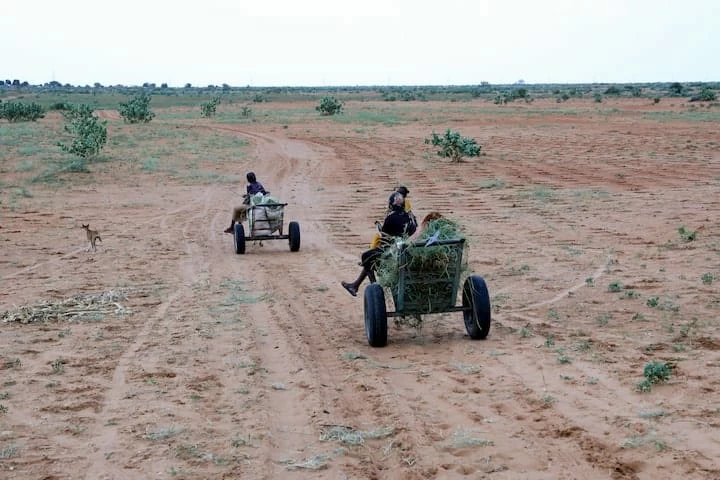
لم تعد الحرب وحدها ما يهدد حياة السودانيين بعد أكثر من ثلاث سنوات من الصراع، إذ بات الجفاف وارتفاع درجات الحرارة عدواً جديداً يطارد المزارعين ويهدد بإعادة البلاد إلى شبح المجاعة، مع تراجع الأمطار وتضرر المحاصيل ونفوق المواشي، في وقت تتقلص فيه المساعدات الإنسانية وتتزايد أعداد النازحين بحثاً عن الغذاء.
وبحسب وكالة «رويترز» تفاقمت المخاوف من أزمة غذائية جديدة مع تأثيرات ظاهرة «إل نينيو» المناخية، التي ترتبط بتغيرات واسعة في أنماط الطقس، إذ أسهمت الظروف الجافة وارتفاع درجات الحرارة في الإضرار بالمناطق الزراعية جنوب السودان، حيث تعتمد مساحات واسعة من الأراضي على مياه الأمطار لإنتاج الغذاء.
وحذر خبراء إغاثة ومسؤولون أمميون، من أن تراجع المحاصيل والإنتاج الحيواني قد يفاقم انعدام الأمن الغذائي، خصوصاً في المناطق التي أنهكتها الحرب والحصار.
وفي تحذير صدر في 12 أكتوبر، قال التصنيف المرحلي المتكامل للأمن الغذائي (IPC)، المدعوم من الأمم المتحدة، إن خطر المجاعة يتزايد في العديد من المناطق المتضررة من النزاع، مع تفاقم الأوضاع الإنسانية المتدهورة بالفعل بفعل الجفاف المرتبط بظاهرة «إل نينيو».
الأمطار عند أدنى مستوياتها منذ عقود
وتكشف بيانات هيئة المسح الجيولوجي الأمريكية أن معدلات هطول الأمطار خلال الفترة من يوليو إلى سبتمبر، التي تمثل ذروة موسم الأمطار، سجلت أدنى مستوياتها منذ أكثر من 30 عاماً في أنحاء السودان.
وفي ولاية شمال دارفور غربي البلاد، تراجعت الأمطار إلى أدنى مستوى منذ عام 1984، وهو العام الذي شهد مجاعة مدمرة في السودان وإثيوبيا.
كما سجلت ولاية شمال كردفان، الواقعة في وسط البلاد، أدنى معدل للأمطار منذ عام 1990، بينما شهدت ولاية القضارف جنوب شرقي السودان أقل معدلات هطول منذ عام 1991.
وتثير هذه الأرقام مخاوف متزايدة من تراجع الإنتاج الزراعي في مناطق تمثل ركيزةً مهمةً لإمدادات الغذاء، في وقت لا تزال فيه العمليات العسكرية والنزوح يعطلان النشاط الاقتصادي والزراعي في أجزاء واسعة من البلاد.
وكان التصنيف المرحلي المتكامل للأمن الغذائي قد قدر، في يونيو الماضي، أن 5.1 مليون شخص في السودان يواجهون مستويات حادة من الجوع، فيما يجري حالياً تحديث التقديرات.
وكانت التوقعات تشير إلى إمكانية تراجع أعداد المتضررين مع بدء موسم الحصاد خلال نوفمبر وديسمبر، خصوصاً مع هدوء القتال في بعض المناطق، لكن الجفاف الناجم عن «إل نينيو» بات يهدد بقلب هذه التوقعات ورفع أعداد الجوعى بدلاً من خفضها.
وبحسب تقديرات برنامج الأغذية العالمي التي كشف عنها رئيس برنامجه في السودان، صامويل كليندون، من المتوقع أن يواجه 350 ألف شخص إضافي مستويات حادة من الجوع بحلول نهاية عام 2026، على أن يرتفع العدد إلى 1.2 مليون شخص إضافي بحلول أغسطس 2027.
وأوضح كليندون أن هذه الأرقام وردت في بيانات شاركها البرنامج مع الجهات المانحة، مشيراً إلى أن إقليمي دارفور وكردفان هما الأكثر تضرراً من الأزمة.
المساعدات تتراجع والجوع يتسع
وفي مواجهة الأزمة، يركز برنامج الأغذية العالمي جهوده على إيصال الغذاء إلى نحو 5 ملايين من أكثر السودانيين احتياجاً، لكنه يؤكد عدم قدرته على الوصول إلى جميع المحتاجين.
وحتى في المناطق التي يتمكن من الوصول إليها، اضطر البرنامج إلى خفض الحصص الغذائية بهدف توزيع موارده المحدودة على أكبر عدد ممكن من المستفيدين.
ووفقاً لبيانات البرنامج حتى 17 أكتوبر، بلغت الأموال المتاحة لتمويل عملياته في السودان 276 مليون دولار، أي أقل من نصف ميزانية العام الماضي، فيما يحتاج إلى 134 مليون دولار إضافية لمواجهة الجوع الناجم عن الجفاف.
وتشير بيانات لمراقبة المناخ إلى أن درجات الحرارة في القضارف يوم 20 أكتوبر تجاوزت متوسطاتها التاريخية بما يتراوح بين 7 و9 درجات مئوية، وهو فارق كبير يزيد الضغط على المحاصيل والمواشي ومصادر المياه.
وفي المقابل، قللت الحكومة السودانية من حجم التهديد الذي يواجه الإمدادات الغذائية. وقال وزير الزراعة عصمت قرشي، خلال مؤتمر صحفي في الخرطوم (8 أكتوبر)، إن محصول العام الحالي سيكون أقل من العام الماضي، لكنه لن ينخفض بصورة كبيرة.
The war is no longer the only threat to the lives of Sudanese people after more than three years of conflict, as drought and rising temperatures have become a new enemy chasing farmers and threatening to plunge the country back into the specter of famine, with declining rainfall, damaged crops, and livestock deaths, at a time when humanitarian aid is shrinking and the number of displaced people is increasing in search of food.
According to Reuters, fears of a new food crisis have intensified due to the effects of the climatic phenomenon "El Niño," which is associated with widespread changes in weather patterns. The dry conditions and rising temperatures have harmed agricultural areas in South Sudan, where vast stretches of land rely on rainfall to produce food.
Relief experts and UN officials have warned that the decline in crops and livestock production could exacerbate food insecurity, particularly in areas that have been ravaged by war and siege.
In a warning issued on October 12, the Integrated Food Security Phase Classification (IPC), supported by the United Nations, stated that the risk of famine is increasing in many conflict-affected areas, as the already deteriorating humanitarian situation worsens due to drought linked to the "El Niño" phenomenon.
Rainfall at its lowest levels in decades
Data from the U.S. Geological Survey reveals that rainfall rates during the period from July to September, which represents the peak of the rainy season, have recorded their lowest levels in over 30 years across Sudan.
In North Darfur state in the west of the country, rainfall has dropped to its lowest level since 1984, the year that witnessed a devastating famine in Sudan and Ethiopia.
North Kordofan state, located in the center of the country, has recorded the lowest rainfall rate since 1990, while Gedaref state in southeastern Sudan has seen the lowest levels of rainfall since 1991.
These figures raise increasing concerns about the decline in agricultural production in areas that are a crucial pillar for food supplies, at a time when military operations and displacement continue to disrupt economic and agricultural activity in vast parts of the country.
The Integrated Food Security Phase Classification had estimated in June that 5.1 million people in Sudan are facing acute levels of hunger, while estimates are currently being updated.
Forecasts had indicated the possibility of a decrease in the number of affected individuals with the onset of the harvest season in November and December, especially with the calm in fighting in some areas. However, the drought caused by "El Niño" now threatens to overturn these expectations and increase the number of hungry people instead of reducing it.
According to estimates from the World Food Programme revealed by its head in Sudan, Samuel Klindon, an additional 350,000 people are expected to face acute levels of hunger by the end of 2026, with the number rising to 1.2 million additional people by August 2027.
Klindon explained that these figures were included in data shared by the programme with donors, noting that the Darfur and Kordofan regions are the most affected by the crisis.
Assistance is declining while hunger is expanding
In response to the crisis, the World Food Programme is focusing its efforts on delivering food to about 5 million of the most needy Sudanese, but it emphasizes its inability to reach all those in need.
Even in areas it can access, the programme has had to reduce food rations in order to distribute its limited resources to as many beneficiaries as possible.
According to programme data as of October 17, the funds available to finance its operations in Sudan amounted to $276 million, which is less than half of last year's budget, while it needs an additional $134 million to address hunger caused by drought.
Climate monitoring data indicates that temperatures in Gedaref on October 20 exceeded their historical averages by between 7 and 9 degrees Celsius, a significant difference that increases pressure on crops, livestock, and water sources.
In contrast, the Sudanese government has downplayed the scale of the threat facing food supplies. Agriculture Minister Ismat Qureshi stated during a press conference in Khartoum (October 8) that this year's crop will be lower than last year's, but it will not decline significantly.