


زرعت كوريا الشمالية نحو 960 ألف لغم أرضي على طول حدودها مع كوريا الجنوبية منذ عام 2024، في تصعيد للتحصينات العسكرية على واحدة من أكثر الحدود تحصيناً في العالم، وفق بيانات نقلها نواب كوريون جنوبيون عن الجيش.
وبحسب المعلومات التي أوردها النواب، يقدر خبراء عسكريون أن إجمالي الألغام المزروعة في المنطقة المنزوعة السلاح بين الكوريتين تجاوز مليوني لغم، تشمل الألغام التي زرعتها قوات البلدين، مشيرين إلى أن نحو نصف هذا العدد أضيف خلال العامين الماضيين.
وتثير هذه الأرقام مخاوف من اتساع المخاطر على طول الحدود، خصوصاً في ظل استمرار تعزيز التحصينات العسكرية وتزايد احتمالات وقوع حوادث ميدانية قد تؤدي إلى إصابات أو تصعيد بين الجانبين.
وفي أحدث الحوادث المشار إليها في التقرير، أصيب ثلاثة جنود كوريين جنوبيين جراء انفجار لغم أرضي كوري شمالي في 21 سبتمبر، وأصيب بعضهم بجروح خطيرة. ونفت قيادة كوريا الشمالية مسؤوليتها عن الحادث.
وتفصل المنطقة المنزوعة السلاح بين الكوريتين، ويبلغ عرضها نحو أربعة كيلومترات، وتمتد على طول خط الفصل العسكري الذي يقسم شبه الجزيرة الكورية. ورغم تسميتها «منزوعة السلاح»، فإنها ليست منطقة خالية تماماً من الوجود العسكري، إذ تحيط بها مواقع عسكرية وتحصينات وأسلاك شائكة وحقول ألغام.
وتعود جذور هذا الانقسام إلى الحرب الكورية التي اندلعت عام 1950 واستمرت حتى عام 1953، وانتهت بتوقيع اتفاق هدنة أوقف القتال، دون إبرام معاهدة سلام نهائية بين الطرفين. وبذلك، لا تزال الكوريتان من الناحية القانونية في حالة حرب، رغم توقف العمليات العسكرية واسعة النطاق منذ عقود.
وتظل المنطقة الحدودية إحدى أكثر بؤر التوتر حساسية في شرق آسيا، في ظل استمرار الخلافات السياسية والعسكرية بين بيونغ يانغ وسيئول، وتبادل الاتهامات بشأن الأنشطة العسكرية والاستفزازات على جانبي الحدود.
ويزيد انتشار الألغام من تعقيد أي تحركات ميدانية في المنطقة، إذ لا تقتصر مخاطرها على الاشتباكات المباشرة، بل تمتد إلى الدوريات العسكرية وعمليات إزالة الألغام، فضلاً عن احتمال وقوع انفجارات عرضية يصعب احتواء تداعياتها إذا أسفرت عن سقوط قتلى أو جرحى من أحد الطرفين.
وتعكس هذه التطورات استمرار هشاشة الهدنة التي أنهت الحرب الكورية، إذ لم يتحول وقف إطلاق النار إلى تسوية سياسية دائمة تنهي حالة العداء بين البلدين، فيما لا تزال الحدود تشكل خط تماس عسكرياً قابلاً للتوتر والتصعيد.
960 ألف لغم في عامين.. كوريا الشمالية تعزز تحصين حدودها
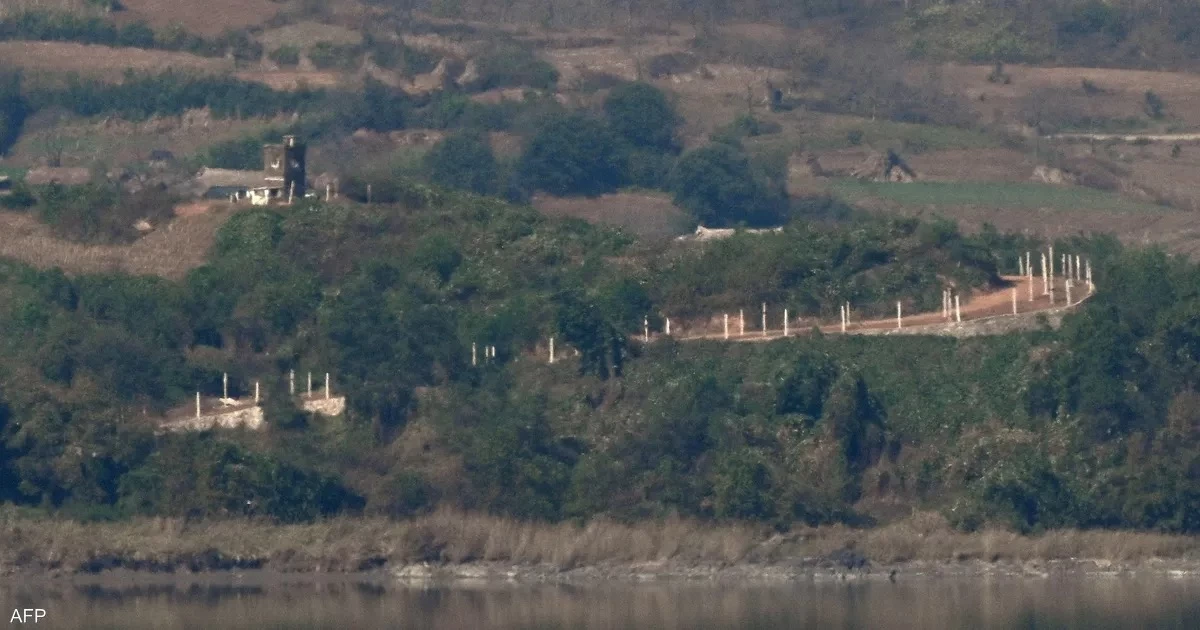


North Korea has planted about 960,000 landmines along its border with South Korea since 2024, in an escalation of military fortifications on one of the most fortified borders in the world, according to data conveyed by South Korean lawmakers from the military.
According to the information provided by the lawmakers, military experts estimate that the total number of mines planted in the demilitarized zone between the two Koreas has exceeded two million, including mines planted by both countries' forces, noting that about half of this number was added in the past two years.
These figures raise concerns about the increasing risks along the border, especially in light of the ongoing military fortifications and the growing likelihood of field incidents that could lead to injuries or escalation between the two sides.
In the latest incidents mentioned in the report, three South Korean soldiers were injured due to the explosion of a North Korean landmine on September 21, with some sustaining serious injuries. North Korea denied responsibility for the incident.
The demilitarized zone separates the two Koreas and is about four kilometers wide, extending along the military demarcation line that divides the Korean Peninsula. Despite being called "demilitarized," it is not an area completely free of military presence, as it is surrounded by military sites, fortifications, barbed wire, and minefields.
The roots of this division date back to the Korean War, which broke out in 1950 and lasted until 1953, ending with the signing of an armistice agreement that halted the fighting, without a final peace treaty between the two parties. Thus, the two Koreas remain legally in a state of war, despite the cessation of large-scale military operations for decades.
The border area remains one of the most sensitive flashpoints in East Asia, amid ongoing political and military disputes between Pyongyang and Seoul, and mutual accusations regarding military activities and provocations on both sides of the border.
The spread of landmines complicates any field movements in the area, as their risks are not limited to direct clashes but extend to military patrols and demining operations, as well as the possibility of accidental explosions that are difficult to contain if they result in casualties or injuries on either side.
These developments reflect the continued fragility of the armistice that ended the Korean War, as the ceasefire has not evolved into a permanent political settlement that ends the hostility between the two countries, while the border remains a military contact line susceptible to tension and escalation.


